_(8511932135).jpg)

Beschrijving
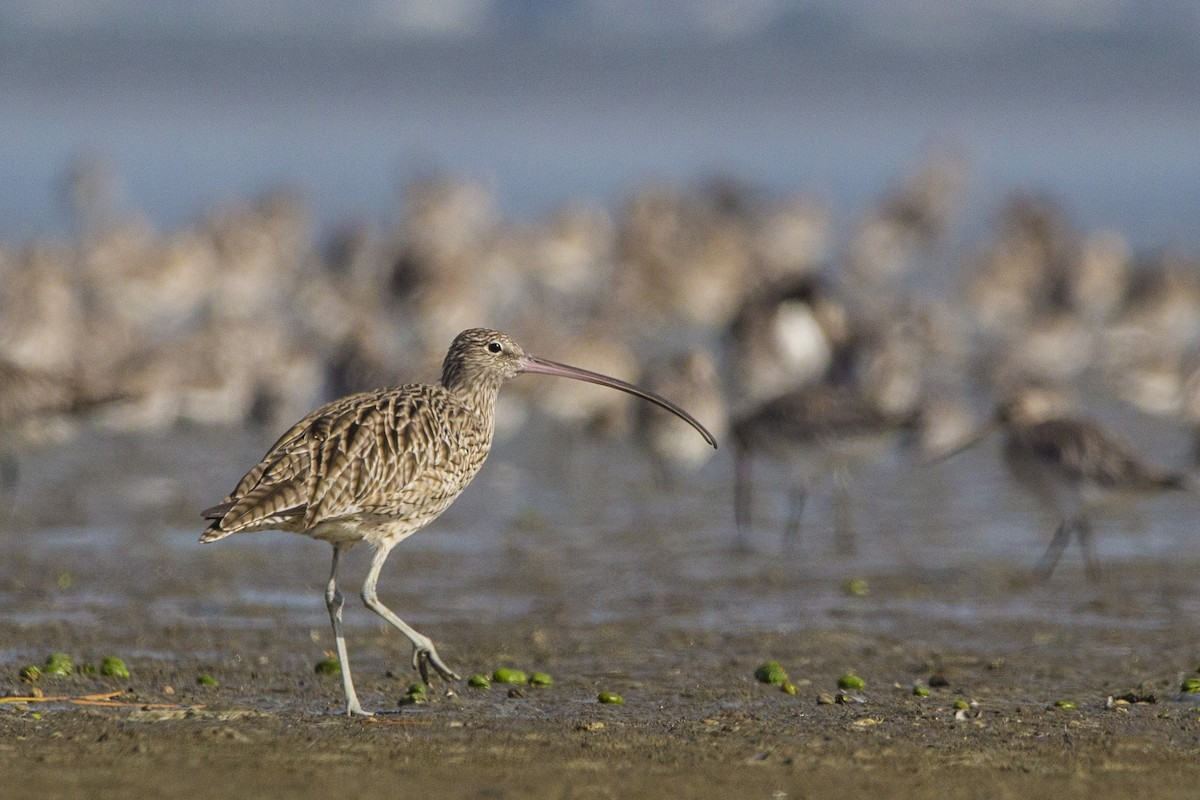
Shoalhaven Heads Inlet is part of the East Asian - Australasian Flyway. An important feeding ground for a variety of migratory and resident shorebirds. Bush birds, waterbirds and raptors frequent the area. A number of migratory species are common from spring until autumn with a small number overwintering. A breeding area for resident Pied Oystercatchers, Red-capped Plovers and Little Terns. The occasional rare vagrant can turn up at times. Among the birds you can encounter are White-bellied Sea-Eagle, Whistling Kite, Australian Hobby, Sanderling, Yellow-tailed Black-Cockatoo, Australasian Gannet, Chestnut Teal, Australasian Darter, Black Swan, Great Egret, Common Tern, Eastern Curlew, Bar-tailed Godwit, Pacific Golden Plover, Red-capped Plover, Little Tern, Pied Oystercatcher, Red-necked Stint, White-fronted Chat, Variegated Fairywren, Australian Tern, and Greater Crested Tern.
Details
Toegang
Turn off Bolong Road into Shoalhaven Heads Road and after 1 km, turn right into Bolt Street and left into River Road. Drive to the carpark at the end of River Road where there are toilets and signage about shorebirds. Click on the P in the map for directions or coordinates. From the carpark take one of the tracks south following the edge of the bay through open bushland to the estuary. From the estuary you can do a loop back to the carpark along the beach. Dogs are not permitted at the Inlet.
Terrein en leefgebied
Wetland , Strand , Slikken , Verspreide bomen en struiken , Rivier , Zee , DuinenOmstandigheden
Vlak , Zanderig , Hoog water mogelijkRondlopende wandeling mogelijk?
JaTelescoop meenemen?
Kan handig zijnWanneer hier vogels kijken?
Het hele jaarToptijd voor dit gebied
Lente , Zomer , Herfst , WinterRoute
Breed pad , Smal padZwaarte wandeling
GemakkelijkToegankelijk via
Te voetVogelkijkhut aanwezig?
NeeExtra info
When the Rivermouth is closed to the sea, you can access the adjoining Comerong Island Nature reserve.
Please keep a respectable distance from the birds as not to disturb or flush them. It is important to stay outside all fenced nesting areas.
Check tides (see the link to the tides table below). Birds can be a long way off at low tide depending on conditions at the time. High tide or 1-2 hrs either side is best for viewing roosting birds.
Links
- Photo Red-capped Plover at Shoalhaven Heads by Patrick_K59, CC BY 2.0, via Wikimedia Commons
- Tides Table
- eBird Hotspot



 ) om vogelnamen snel in te voeren via een aanklikbare lijst.