Beschrijving
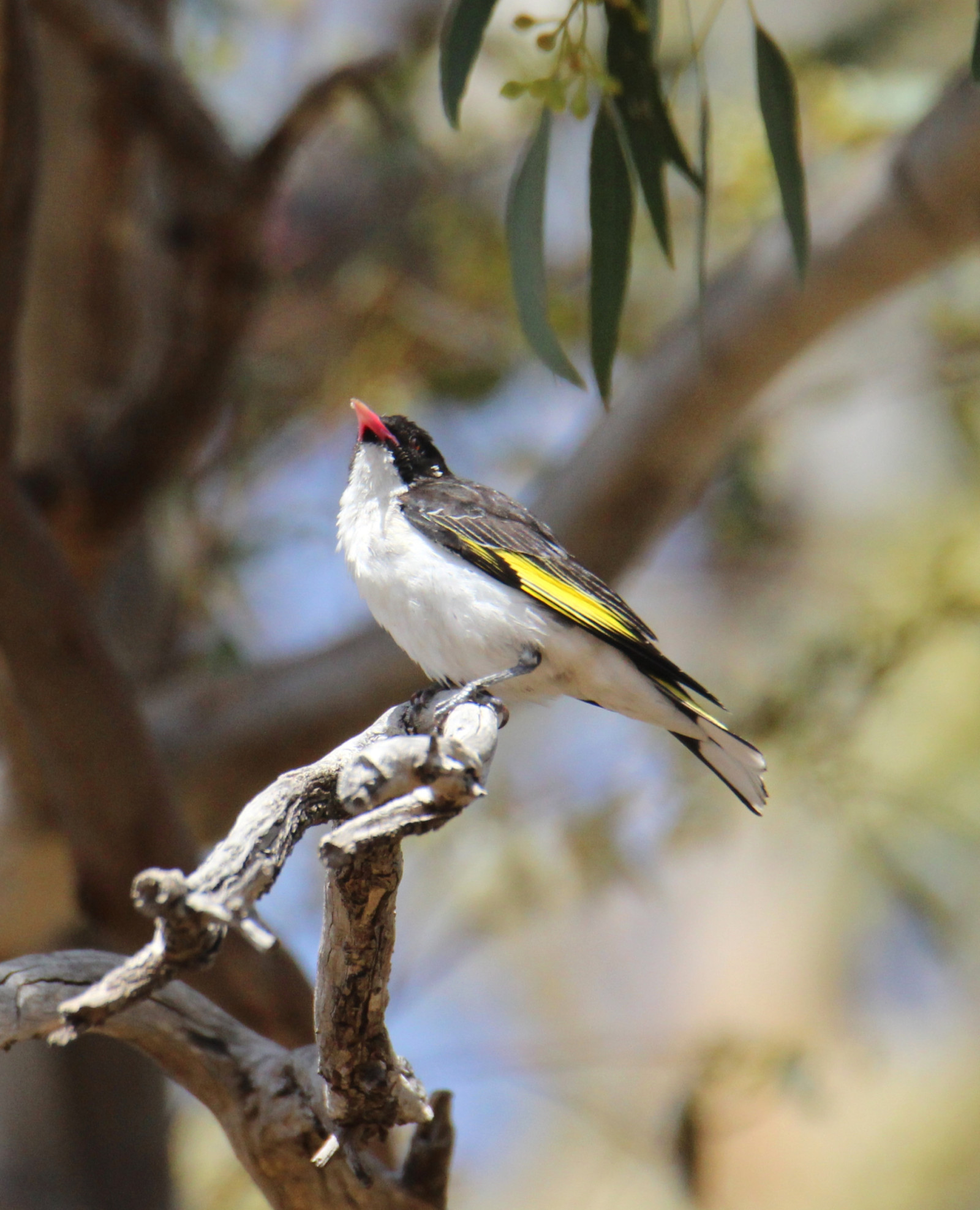
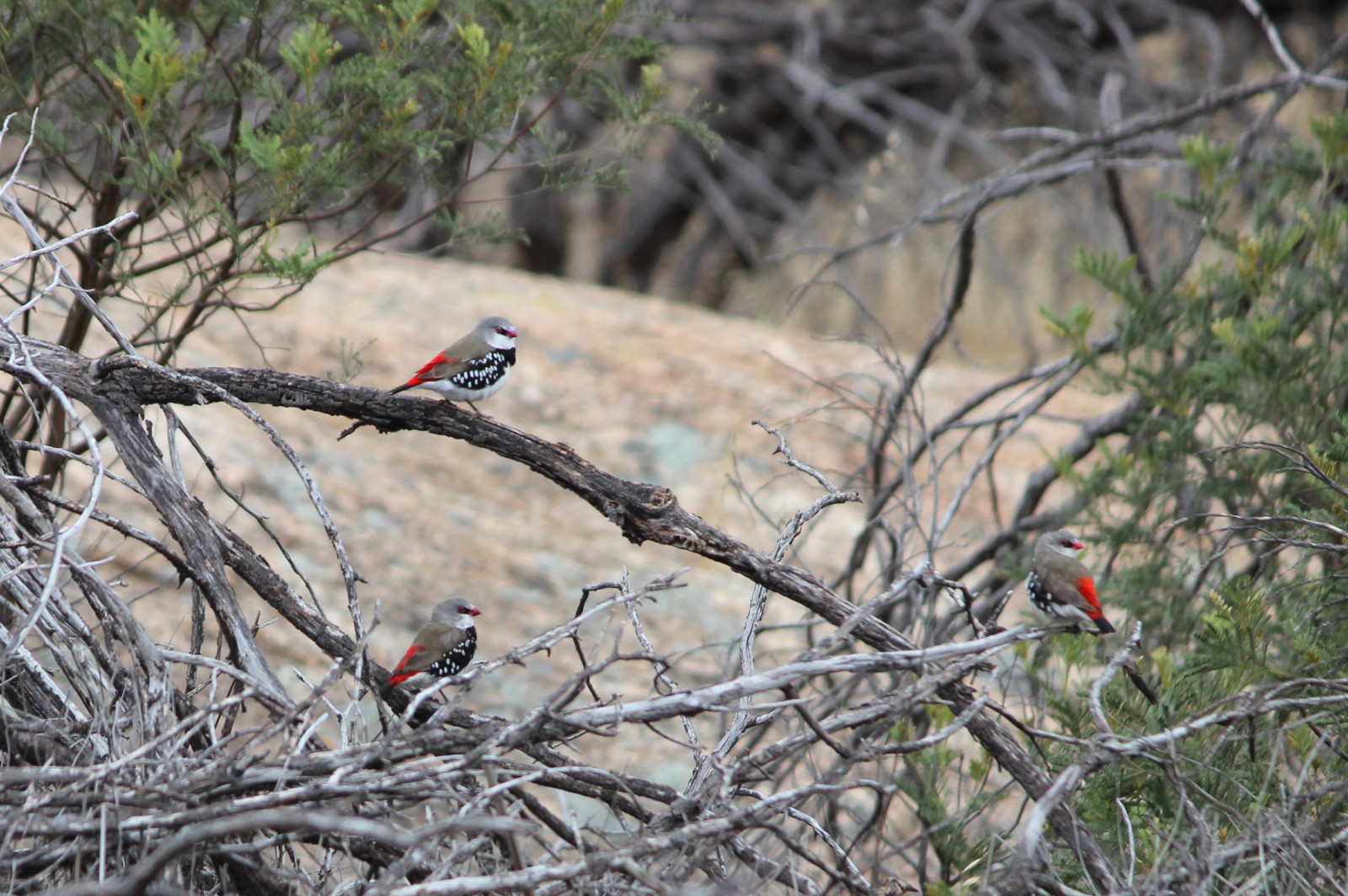
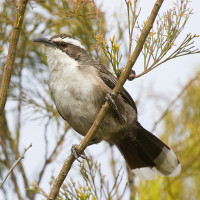
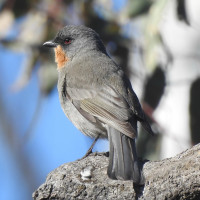
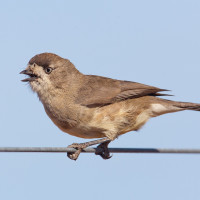
Inland endemic paradise 2.5 hours northwest of Melbourne, featuring reliable White-browed Babbler , Gilbert's Whistler , Painted Honeyeater , Red-backed Kingfisher , Diamond Firetail , Southern Whiteface , Peaceful Dove , Brown Treecreeper and Hooded Robin .
The reserve has 180 species recorded, extraordinary for an inland site.
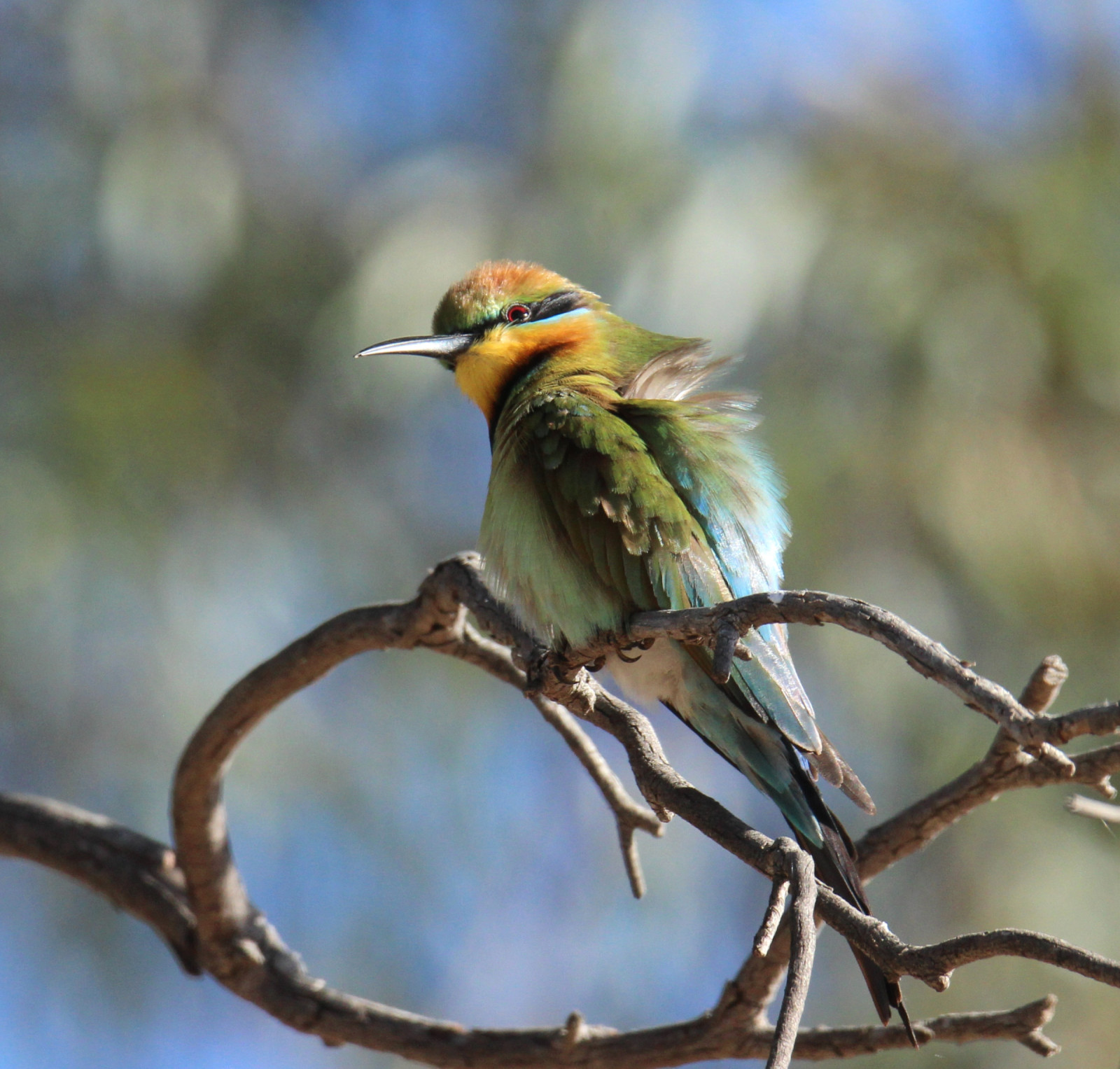
In spring and summer you can expect a lot of action. Painted Honeyeater , Red-backed Kingfisher & Sacred Kingfisher , White-winged Triller , Black-eared Cuckoo , Pallid Cuckoo , Rufous Songlark and Rainbow Bee-eater are seen frequently.
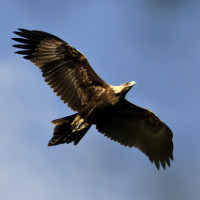
All year round Diamond Firetail , Gilbert's Whistler , Spiny-cheeked Honeyeater , Singing Honeyeater , Mistletoebird , Wedge-tailed Eagle , White-browed Babbler , Southern Whiteface , Peaceful Dove , Eastern Rosella , Black-chinned Honeyeater , Brown Treecreeper are likely.
Almost anything could turn up here, given the right conditions. Carefully check your female fairywrens and robins, and all honeyeaters, thornbills and woodswallows. 3 fairywrens and 7 robins are possible, and 27 honeyeaters, 4 thornbills and 5 woodswallows.
Don't forget to keep an eye on the grassy and grassy woodland areas on private land around the park. But don't trespass on private land - you can look from the road. I saw Budgerigar there in 2019.
I love this site, and always wish I had more time there.
Details
Toegang
Mount Korong Nature Conservation Reserve is 210km from Melbourne. Access is by car. Nearest town is Wedderburn 16km north west, or Inglewood 22km south east.
The park has a single entry point at the south east corner off Wedderburn-Serpentine Rd. From there you drive along an internal perimeter road (Mount Korong Firebreak Track). Most birders go anticlockwise, though there's no restrictions and you could go clockwise.
Press P on the map for directions.
There's a small carpark and picnic tables just west of the main entry, but no other facilities in the reserve.
The best birding tends to be on the east and south sides, and you could safely do just the east side, turn around and go back.
If you do drive the whole way, be warned that the track on the west side is rutted and rocky in places. A vehicle with high clearance is required.
Terrein en leefgebied
Verspreide bomen en struiken , Grasland/weideOmstandigheden
Heuvelachtig , Rotsachtig , Droog , Open landschapRondlopende wandeling mogelijk?
JaTelescoop meenemen?
NeeWanneer hier vogels kijken?
Het hele jaarToptijd voor dit gebied
Lente , ZomerRoute
Onverharde wegZwaarte wandeling
GemakkelijkToegankelijk via
Te voet , Auto , FietsVogelkijkhut aanwezig?
NeeExtra info
As in most of Australia's inland, past and current weather conditions make a huge difference to the bird abundance and diversity. Best bet is to check eBird in the months and weeks before your visit. Or check the weather - has there been good rain in the area, or has it been horribly dry? Is it mild, or very hot? Rainfall can lead to irruptions of inland birds, and amazing sightings across a wide area months later. Conversely, drought conditions can concentrate birds around surface water, farm troughs and puddles.
 ) om vogelnamen snel in te voeren via een aanklikbare lijst.