

Description
Patria nad Odrzechową is a Site of Community Importance (SCI). The forest is a composition of 2 main biotopes: Carpathian rich beech forest and Carpathian fir forest. In between there are some partially oak-dominated areas. Borders are dominated by other species, different from each side: pine, willow or larch (fenced forest culture).
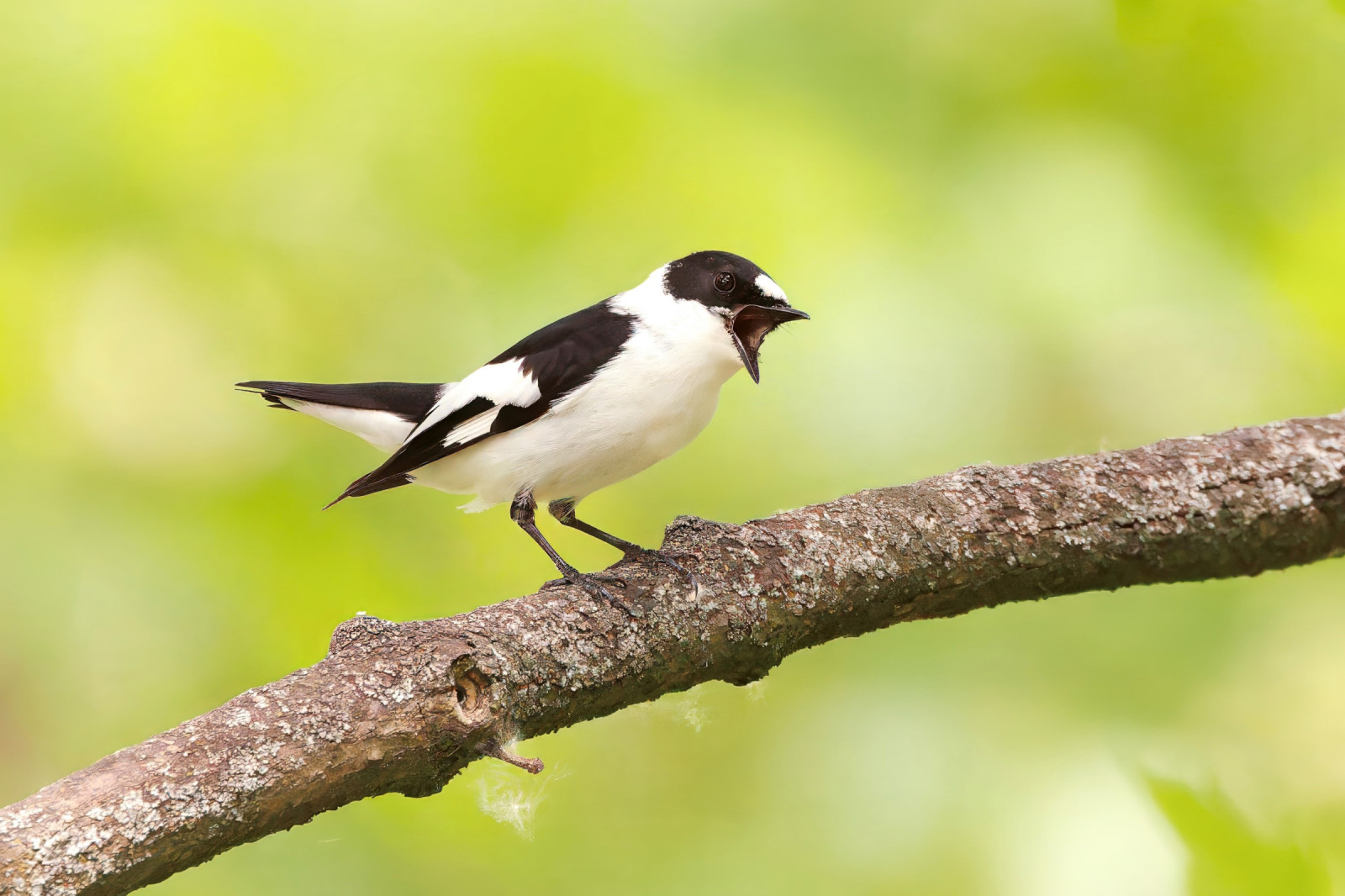
Beech- and fir-dominated parts are home/nesting areas to charismatic species of predatory birds, like Уралска утва, мал орел кликач, both characteristic for this region and more common species: јастреб врапчар and глувчар. Other noteworthy species: лештарка, горски гулаб, белогрб клукајдрвец, црвеногушесто муварче, беловрато муварче (quite large numbers of the last one - great place to learn its song by-ear).
At borders there can be large concentrations of passerines. Also, in the larch-part of the borders there can be found some грлица.
Other, rather common species: кукавица, ушест був, вртивратка, среден клукајдрвец, голем клукајдрвец, мал клукајдрвец, сивоглав клукајдрвец, зелен клукајдрвец, црн клукајдрвец, саријазма, гавран, елова сипка, мала црноглава сипка, планинска сипка, жолто гушанче, шумски свиркач, брезов свиркач, обичен свиркач, дологоопашеста сипка, црноглаво грмушарче, Lesser Whitethroat, жолтоглаво кралче, црвеноглаво кралче, Обичен (Шумски) лазач, обичен ползач, имелов дрозд, дрозд пејач, шумска трепетилка, дебелоклун црешар and жолтогрла стрнарка.
Details
Access
Patria nad Odrzechową is accessible by foot from many sides: Odrzechowa-Pielnia-Długie-Zarszyn villages field-roads, close to the forest. Public transport to these villages is limited to buses from Sanok and Krosno. There are no parking spaces - best to leave any larger vehicles at sides of a road (leave enough space for tractors and other large vehicles to pass-by) or inside villages (easier option). Best to explore by foot - most wildlife sightings, silence, minimal risk of getting stuck. The terrain is quite difficult for bikes or other vehicles. Overuse of vehicles (lumberjacks and off-roaders mostly) regularly causes all paths to become muddy and hard to pass. Rain boots advised for most of the year.
Terrain and Habitat
Forest , Scattered trees and bushes , WetlandConditions
Hilly , SlipperyCircular trail
YesIs a telescope useful?
NoGood birding season
All year roundBest time to visit
SpringRoute
Unpaved road , Narrow trail , Wide pathDifficulty walking trail
Average walkAccessible by
FootBirdwatching hide / platform
NoExtra info
Most birds here are very active singers - there isn't really a need to stimulate them if they are somewhere around. Please, avoid doing so. If you want to find most of the singing birds, try to be there as early, as possible (morning hours). Birds of prey are mostly visible outside of the forest. Owls tend to show up mostly in the afternoon/evening hours.
Best to go along with roads/paths, especially main ones, but you're free to explore.
Hazards: ticks, deep mud, steep muddy/covered by leaves banks of creeks. Keep in mind the presence of large animals (deer, boars, wolves) and other people (off-road enthusiasts, lumberjacks, foresters, hunters, mushroom pickers, etc.)!!!




 ) to insert bird names in your own language. The birdnames will automatically be translated for other users!