

Description
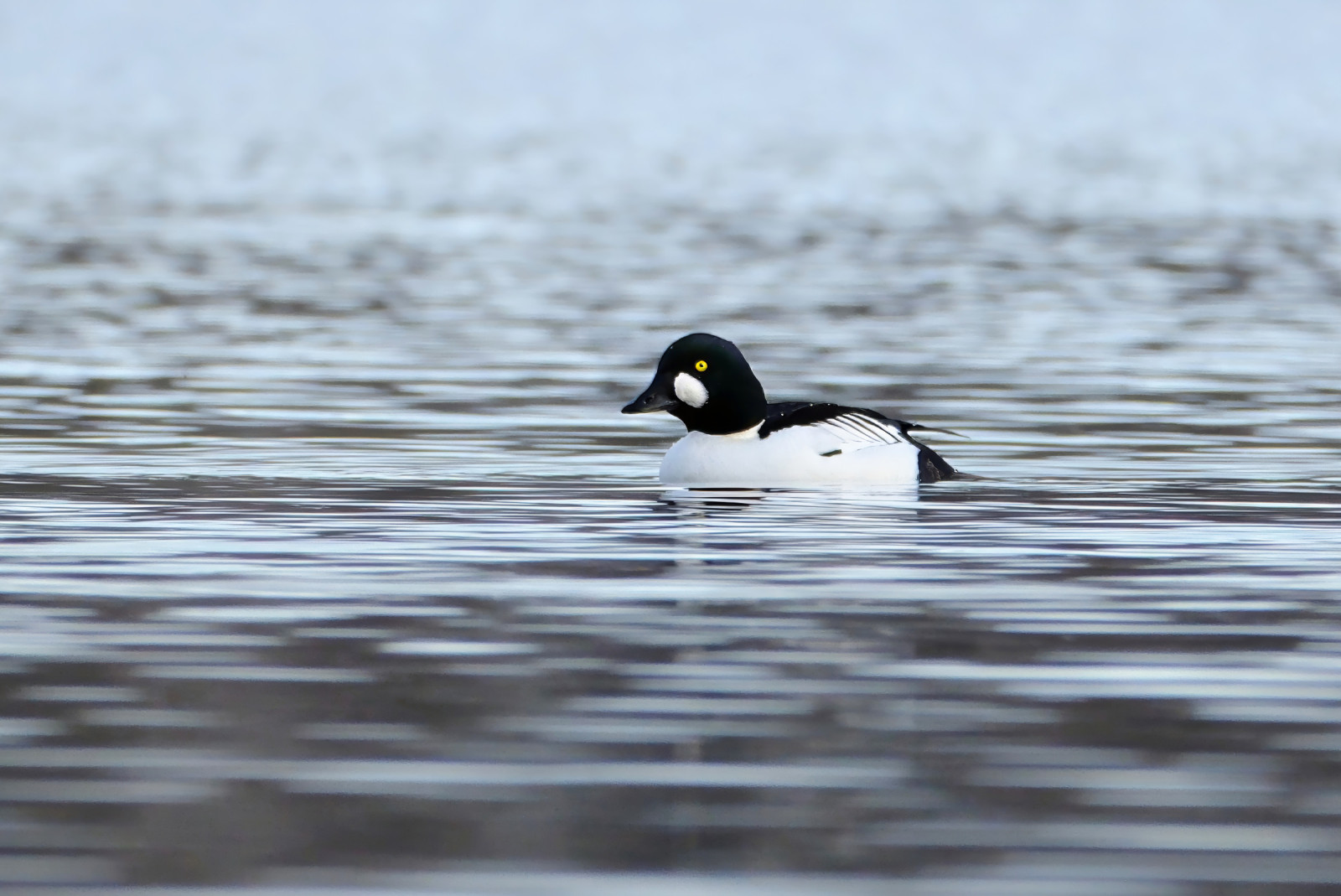
The Knielinger See is one of many former gravel pits along the river Rhine and the largest waterbody in or around the city of Karlsruhe. It is easily accessible with good paths and numerous viewpoints. In winter, the lake hosts a large number of wintering ducks, grebes, herons, swans and geese. These include сива патка , цуцулест кожувар , црвеноглав кожувар , патка свиркач , четириока патка , патка лажичарка , патка берија , мал нуркач and цуцулест нуркач. There are always a good variety of species present and rarer species such as патка ластовичарка, патка превез, морски кожувар, патка крецка, белокрила црнка, мал морски нуркач, мал корморан, среден северен нуркач, црноврат нуркач, црвеноврат нуркач , ушест нуркач, долгоопашеста патка, Ring-necked Duck and Common Eider have all been seen here before.
In spring and summer the lake itself is quieter, although there are still many interesting birds around: речна чигра can be seen fishing and rarer terns such as црна рибарка are possible. црна луња are frequently seen in spring and summer. The woodlands and meadows surrounding the lake are home to a good number of species, such as црн клукајдрвец , зелен клукајдрвец and сиво муварче. Warbler species such as градинарско грмушарче or црноглаво грмушарче can be heard in spring, along with славејче.
Details
Access
The area is best explored by bike or on a 6 km circular walk. There are three car parks, each within short walking distance of good viewpoints. The tram stop "Maxau" is ideally located for those using public transport (S5 / S51 trams from Karlsruhe Hbf).
Terrain and Habitat
Forest , LakeConditions
Flat , High water possibleCircular trail
YesIs a telescope useful?
YesGood birding season
All year round , Winter , SpringBest time to visit
WinterRoute
Wide path , Narrow trailDifficulty walking trail
Average walkAccessible by
Foot , BicycleBirdwatching hide / platform
NoLinks
- eBird - Latest sightings and records
- Conservation and History of the Knielinger See (in German)
- Video showing clips of species that live and breed here


 ) to insert bird names in your own language. The birdnames will automatically be translated for other users!