

Description
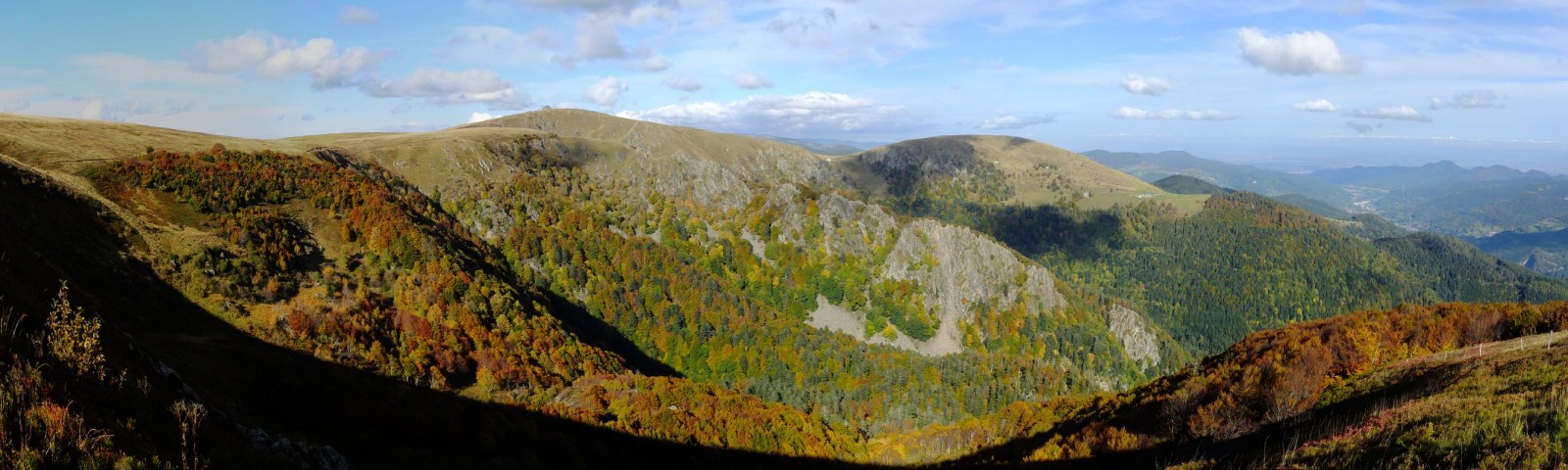
Located in the heart of the Vosges at the height of Colmar, the third highest point after the Grand Ballon and the Storckenkopf, the Hohneck massif (1363 m) is typical of the old forests and altitude meadows of the Vosges. This subalpine meadow (or thatch) gives way rather abruptly to steep slopes facing east which testify to the past glacial erosion. North of the summit opens the Frankenthal-Missheimle cirque (classified Nature Reserve) bordered by multiple rocky bars, and to the south by the Wormspel circus with gentler slopes, undisputed refuge of chamois.
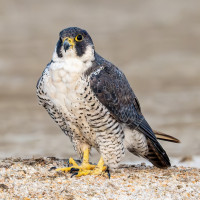
It's one of the most richest ornithological site of the region. Nesting species in the meadows are полска чучулига, ливадска трепетилка, карпеста трепетилка and обично камењарче. The screes that dot the southern slopes of the cirques and the rock walls could house a планинска стрнарка and алпско попче (both rare). With a little luck, the сив сокол and гавран are also visible. In rocky environments, карполазач and карпеста ластовичка sometimes appear. був is also possible in the screes.
The forest areas at the foot of the circus or between the Schlucht pass and the Hohneck summit are home to classic birds: белограден ќос, and Citril Finch on the fringe, елова сипка, цуцулеста сипка and планинска сипка, Лешникарка (rare), Крстоклун, црн клукајдрвец, голем клукајдрвец, шумски свиркач ... Thousands of passerines (finches, thrushes, pipits ...) fly over the Vosges passes during their migration.
Late August is the best time to see жолтоного блатарче on its stopover. The low vegetation at the Hohneck and Kastelberg summits is indeed favorable to the post-nuptial migratory stopover of this shorebird.
Because of the great diversity of species present, each season is interesting. A day in may or june is a good choice and an be combined with Tanet-Gazon du Faing.
Access to the sites is theoretically possible all year round, but the heavy winter snow prevents regular use of the paths leading to the ridges, and the dangers of avalanches can be prohibitive.
Details
Access
From Gérardmer or Munster, join the Col de la Schlucht by the D 417. Then follow the Route des Crêtes (D 430). You then have to reach the top of the Hohneck where there is a parking lot (from the hotel). Explore the high stubble by taking one of the many paths that run through it, such as the one that leads to the Schaeferthal pass. To discover the rock birds of the Wormspel circus, take the marked “blue triangle” path which descends to the Schiessrothried lake. You can get around the lake by taking the Fond-du-Cirque trail. You must observe early in the morning, especially between May and September, to avoid the many tourists.



 ) to insert bird names in your own language. The birdnames will automatically be translated for other users!