Descrizione
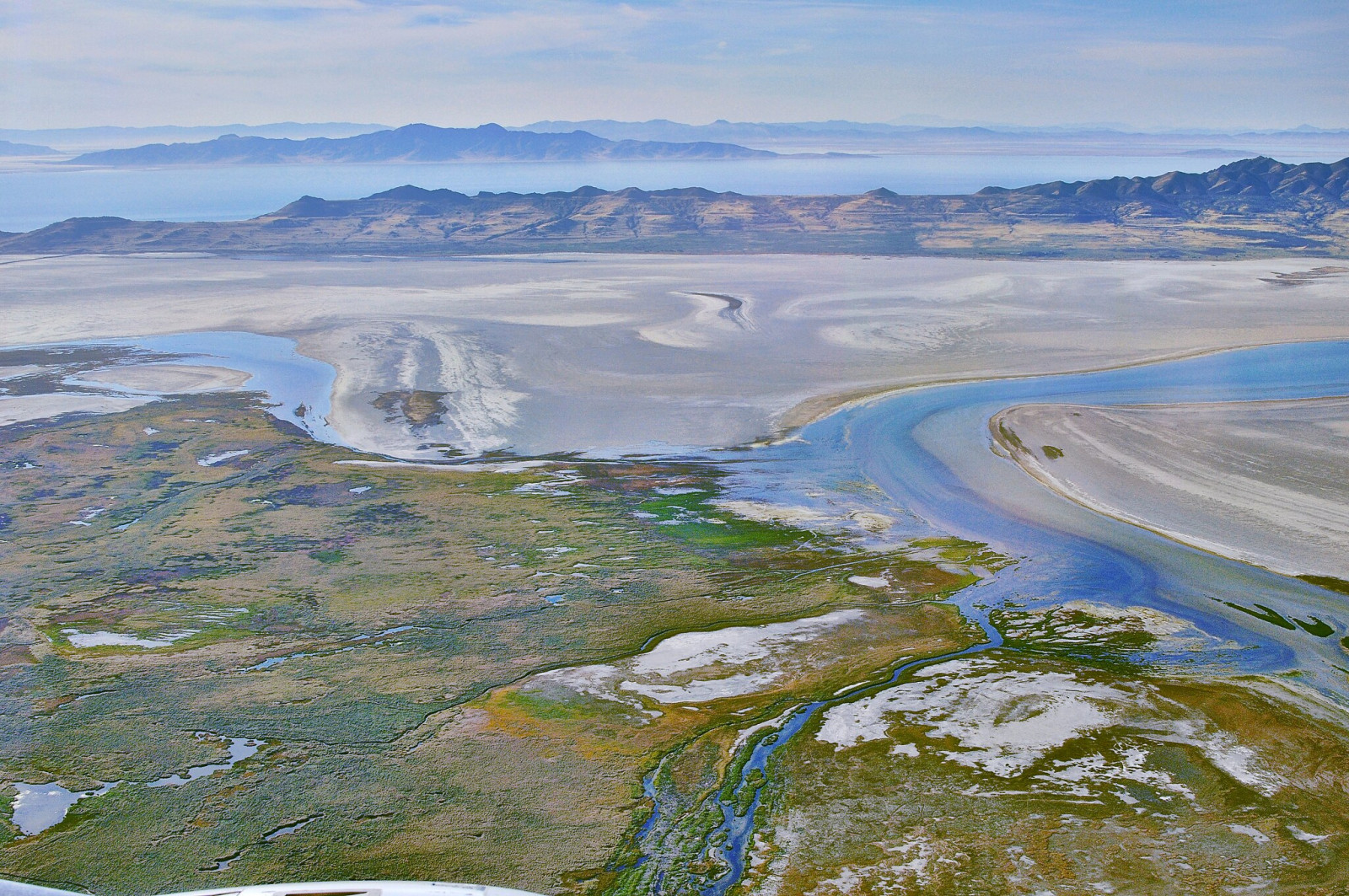
Farmington Bay Wildlife Management Area lies along the southeastern shore of the Great Salt Lake in Utah and is an important wetland complex in the region. The nearly 18,000-acre nature preserve is a vital refuge for migratory birds, supporting thousands of waterfowl, shorebirds, and raptors during spring and fall migrations. Visitors often begin at the Eccles Wildlife Education Center, which serves as a gateway to the reserve. From there, a nature trail and boardwalk provide easy access into the wetlands. The 1.6 mile gravel trail starts and finishes at the parking lot. A driving route leads to Goose Egg Island, a vantage point with interpretive signs and picnic benches.
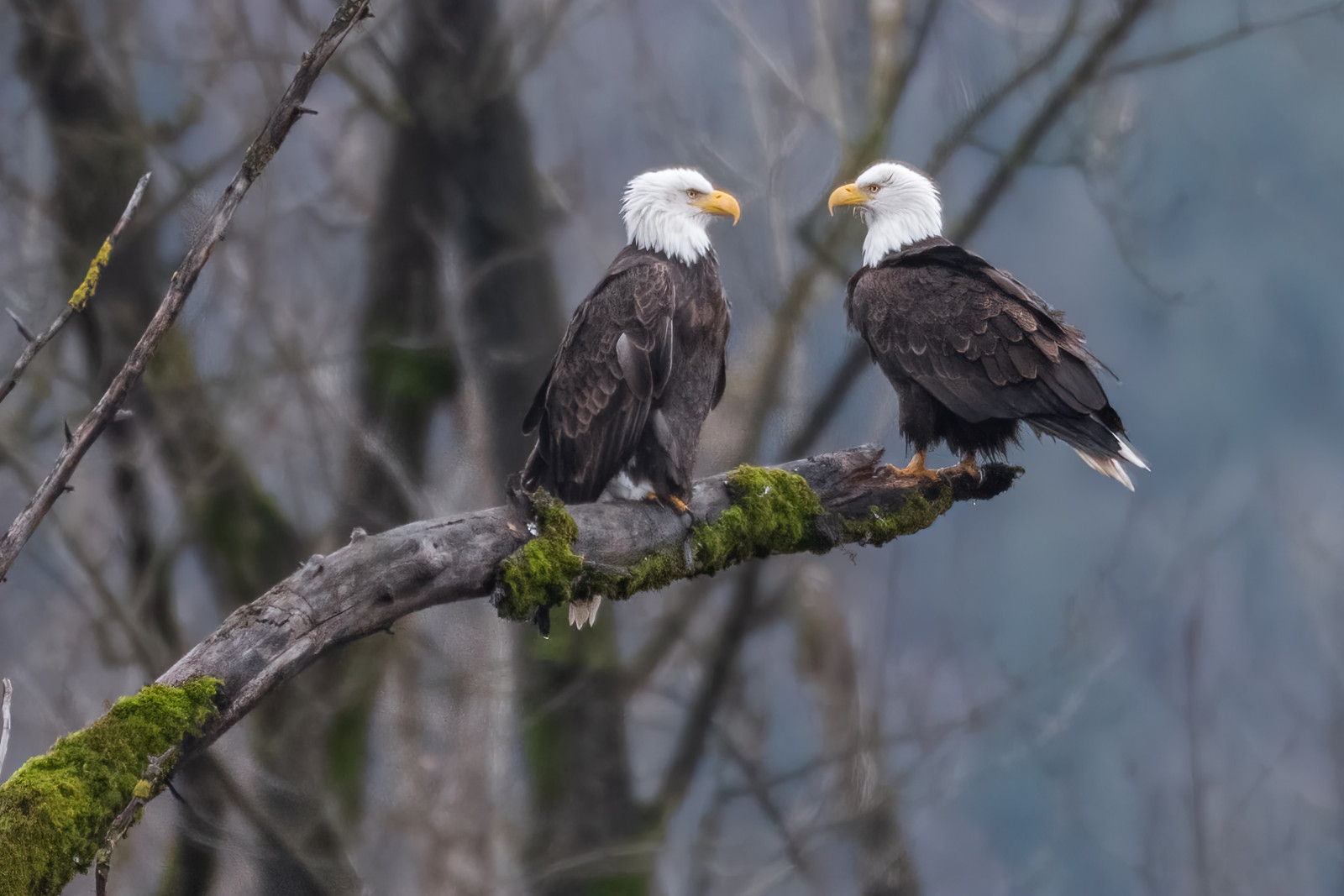
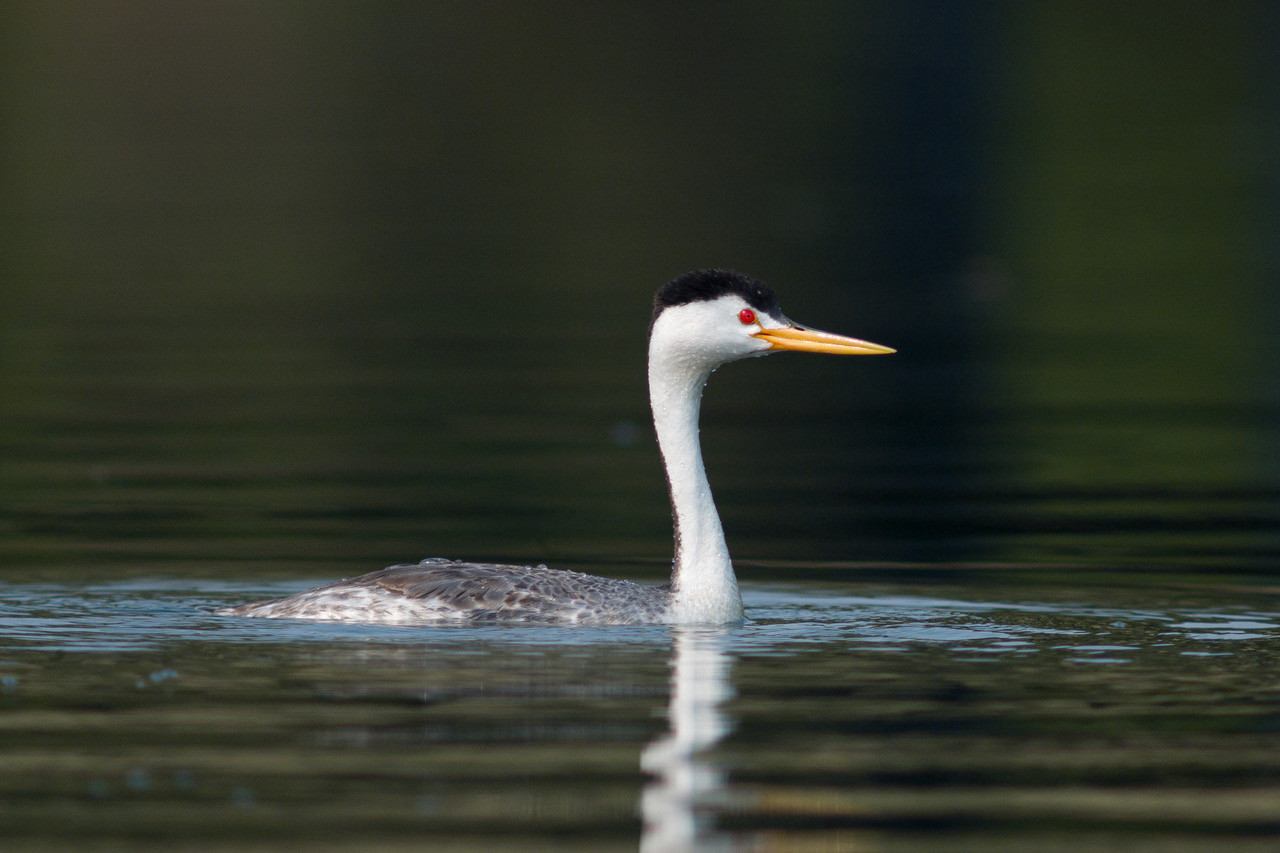
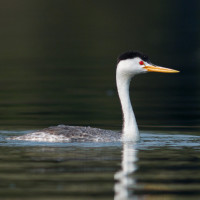
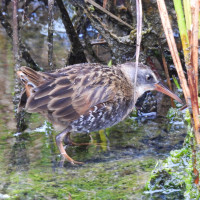
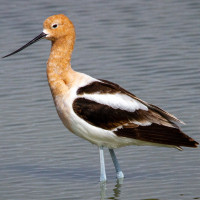
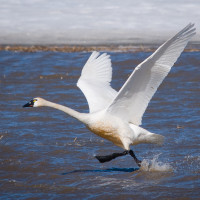
Over 300 species of birds come through here, nest here and rest here on their migratory journeys either north or south. You can see shorebirds, owls, and many species of ducks and birds. Farmington Bay is known for the large population of Bald Eagle that visit the preserve during the winter, especially from mid-January to late February. There is also a Great Blue Heron rookery near the wildlife center. In spring the area attracts pelicans, cranes, and avocets. In fall many gulls and terns can be obsered.
Dettagli
Accesso
Farmington Bay Wildlife Management Area is located on the southeastern shore of the Great Salt Lake near the city of Farmington, about 15 miles north of Salt Lake City. Free parking is available at the Eccles Wildlife Education Center. Press a P on the map for directions.
You can walk on the trails or decide to drive with the car on the dirt road. The walking trails can take about and hour and the driving can take 2-3 hours.
 ) per inserire i nomi delle specie nella tua lingua. I nomi delle specie verranno automaticamente tradotti per gli altri utenti!