Descrizione
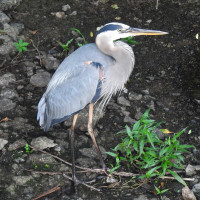
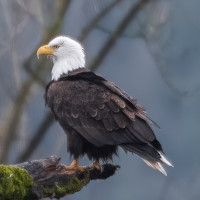
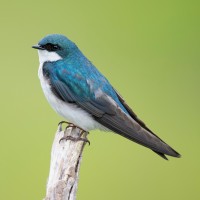
Located where the Nisqually River empties into southern Puget Sound on the Pierce-Thurston county border, the Billy Frank Jr. Nisqually National Wildlife Refuge protects the river's estuary, providing critical habitat for birds migrating along the Pacific Flyway. This diverse wildlife refuge contains riparian forest, mudflats, salt and freshwater marshes, grassland and river habitats that provide a resting and nesting area for a wide variety of migratory birds. Expect to see: Cackling Goose, American Wigeon, Green-winged Teal, Dunlin, Northern Pintail, Glaucous-winged Gull, Short-billed Gull, Ring-billed Gull, Mallard, American Coot, European Starling, American Crow, Violet-green Swallow, Tree Swallow, Barn Swallow, Northern Shoveler, Cedar Waxwing, Bufflehead, Yellow-rumped Warbler, Pine Siskin, Common Goldeneye, Common Merganser, Double-crested Cormorant, Gadwall, Ring-necked Duck, Red-breasted Merganser, Killdeer, American Robin, Song Sparrow, Western Grebe, Greater Scaup, Surf Scoter, Great Blue Heron, Bald Eagle, American Goldfinch, Northern Rough-winged Swallow, White-crowned Sparrow, House Finch, Ancient Murrelet, Golden-crowned Kinglet, Purple Finch, Brown-headed Cowbird, Marsh Wren, Bewick's Wren, Black-capped Chickadee, Western Gull, Greater Yellowlegs, Savannah Sparrow, Band-tailed Pigeon, American White Pelican, Common Yellowthroat, Spotted Towhee, and Canada Goose.
Dettagli
Accesso
Billy Frank Jr. Nisqually National Wildife Refuge is located 52 miles south of Seattle, in Lacey, WA just off the highway. Driving is the best way to get there. Press P on the map for directions. No bikes or vehicles allowed in the preserve, so expect to travel by foot. Most of the trails are on boardwalks and are wheelchair accessible. Allow at minimum four hours to explore, if not a full day. The circular walking route shown on the map is about 4,5 miles.
The refuge is open every day sunrise to sunset. The office is open Monday-Friday, 9 a.m.-4 p.m.; and the Norm Dicks Visitor Center is open Wed.-Sunday 9 a.m.-4 p.m. The daily entrance fee is $3.00 per four adults (2026). Fees can be paid at the entrance fee kiosk located near the entry to the Norm Dicks Visitor Center. Only cash or checks are accepted, no credit cards.

 ) per inserire i nomi delle specie nella tua lingua. I nomi delle specie verranno automaticamente tradotti per gli altri utenti!