

Descrizione
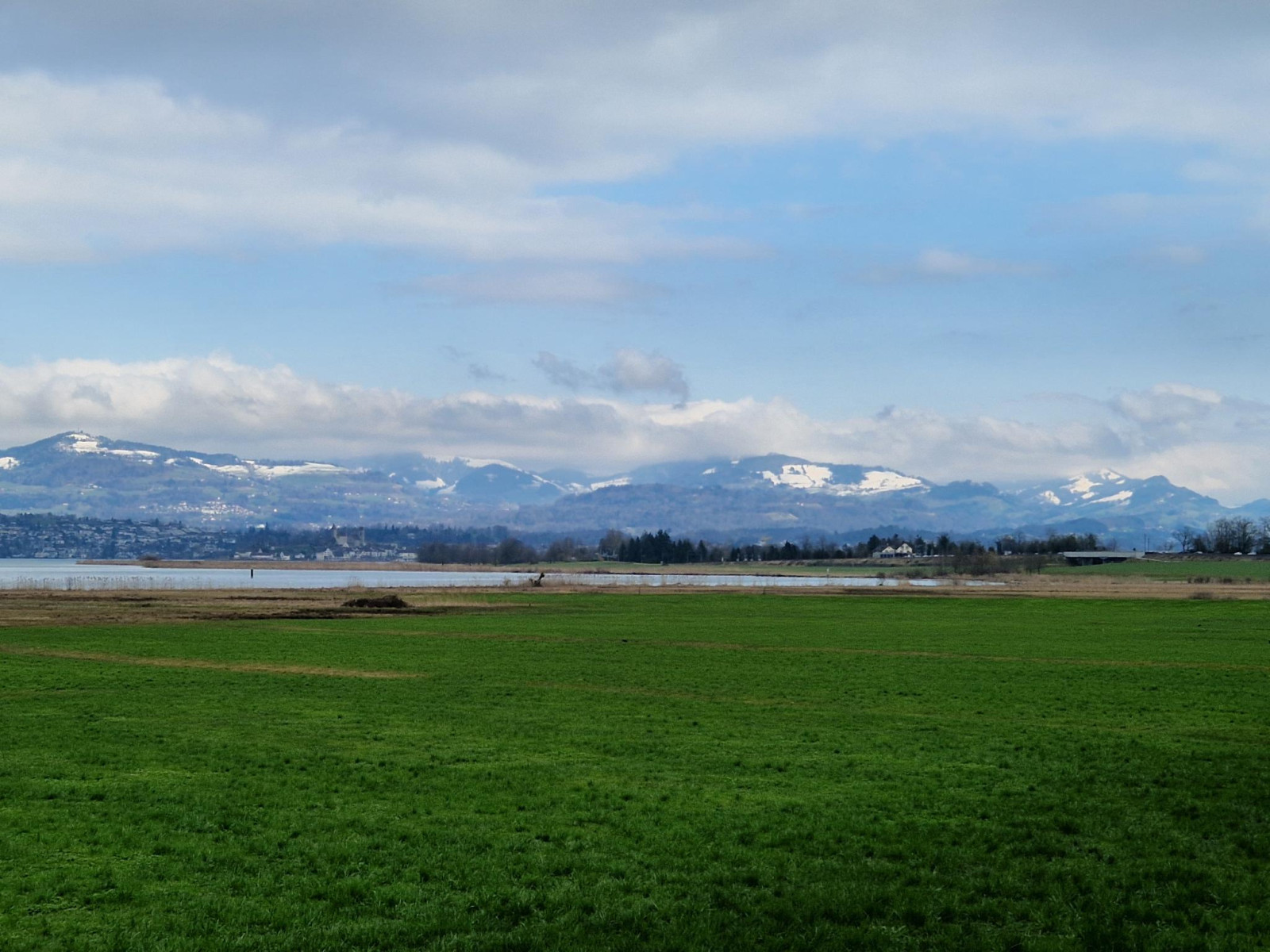
An impressive 260+ species have been recorded in Frauenwinkel, the most important nature reserve of Lake Zurich. The reserve consists of two reeds (beautifully named „Üsser Sack“, 1, and „Inner Sack“, 2), a large zone of shallow water (3) and two islands, Ufenau (4) and Lützelau (5), which are open to the public. The nearby Kiesinsel ("gravel island"; 6) outside of the reserve, which is home to a colony of Sterna comune and Gabbiano comune, is also worth mentioning.
The protected meadow areas are located on a gently sloping hillside. In the upper areas, they consist of litter meadows that merge into reeds towards the lake. Thanks to the work of the Frauenwinkel Foundation, the meadows are now extensively farmed again. The main target species are the Pavoncella, which now breeds here again, and the Chiurlo maggiore, which last bred in Switzerland at this location in 2006. The great pressure from recreational users and the limited size of the site (350 hectares) prevent this species from breeding. To minimise disturbances, the area is largely closed to visitors. Walls made of wide wooden planks along the path prevent the birds from noticing humans, but also prevent good observation opportunities for birdwatchers along most of the way.
In winter, the bay is the most interesting area: Volpoca, Smergo minore, Moretta tabaccata, Svasso cornuto, Orco marino, Strolaga mezzana, Strolaga minore, and the rare Strolaga maggiore may be spotted on the lake. Amongst the Gabbiano reale one might discern a Gavina, Zafferano, and the rare Gabbiano reale nordico (even a Mugnaiaccio returns regularly to the lake). In the reeds close to the water, Beccaccino might be seen next to Chiurlo maggiore and Oca selvatica. A Albanella reale sometimes flies over the fields in search for food, and a Averla maggiore perches on the bushes.
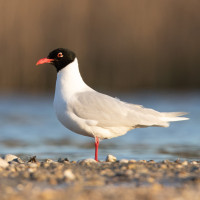
In the breeding season, Edredone, Sterna comune, Marzaiola, Gabbiano corallino, and Gabbianello (although non-breeding) can be observed on the lake. A Saltimpalo or a Averla piccola might sit in the bushes, and Cannareccione breeds in the reeds. The main attractions are, of course, Chiurlo maggiore and Pavoncella with its spectacular courtship flights.
Apart from those two species and the Beccaccino, waders are relatively rare, but Piro piro culbianco, Piovanello pancianera, Combattente, Pantana, and Pettegola are possible to see during migration, and Piro piro piccolo practically year-round. Yet, other places in the area are better suited for migration watch (see, for example, the entry "Stampf Rapperswil-Jona").
Amongst the rarities found here, Falaropo beccolargo, Occhione, Pittima reale, and Mignattino alibianche are most notable; Marangone minore spent several months here in 2000, 2002 und 2012.
Dettagli
Accesso
Frauenwinkel is best reached by public transport: the train station Pfäffikon (coming from Zurich) is right next to the start of the path, the train station Hurden (coming from Rapperswil) is near the other end. If arriving by car, you can either park at Pfäffikon train station or Seedamm Hotel, but the parking lots might be busy.
The area can be explored on foot, wheelchair or by bike. The path leads alongside the road and railroad track. Most of the time, the wooden planks obstruct the view, though. Ufenau island can be reached by cruise ship from April onwards or by boat taxi (see the link), Lützelau can be reached by shuttle from June through September (booking in advance necessary, see the link).
Terreno e habitat
Zona umida , Canneti , Terreni coltivati , Alberi e cespugli sparsi , Prateria/pascolo , LagoCaratteristiche dell’area
Terreno pianoPercorso ad anello
NoÈ utile un cannocchiale?
Può essere utileBuona stagione per il BW
Tutto l'annoMiglior periodo per visitare
Primavera , InvernoPercorso
Sentiero ampioGrado di difficoltà del percorso a piedi
FacileModalità di accesso
A piedi , Bicicletta , Sedia a rotelleCapanno/torretta di osservazione
NoLink
- Ample information on the area by Frauenwinkel Foundation (German)
- Wikipedia-entry on the area
- How to get to Ufnau island
- How to get to Lützelau island



 ) per inserire i nomi delle specie nella tua lingua. I nomi delle specie verranno automaticamente tradotti per gli altri utenti!