Descrizione
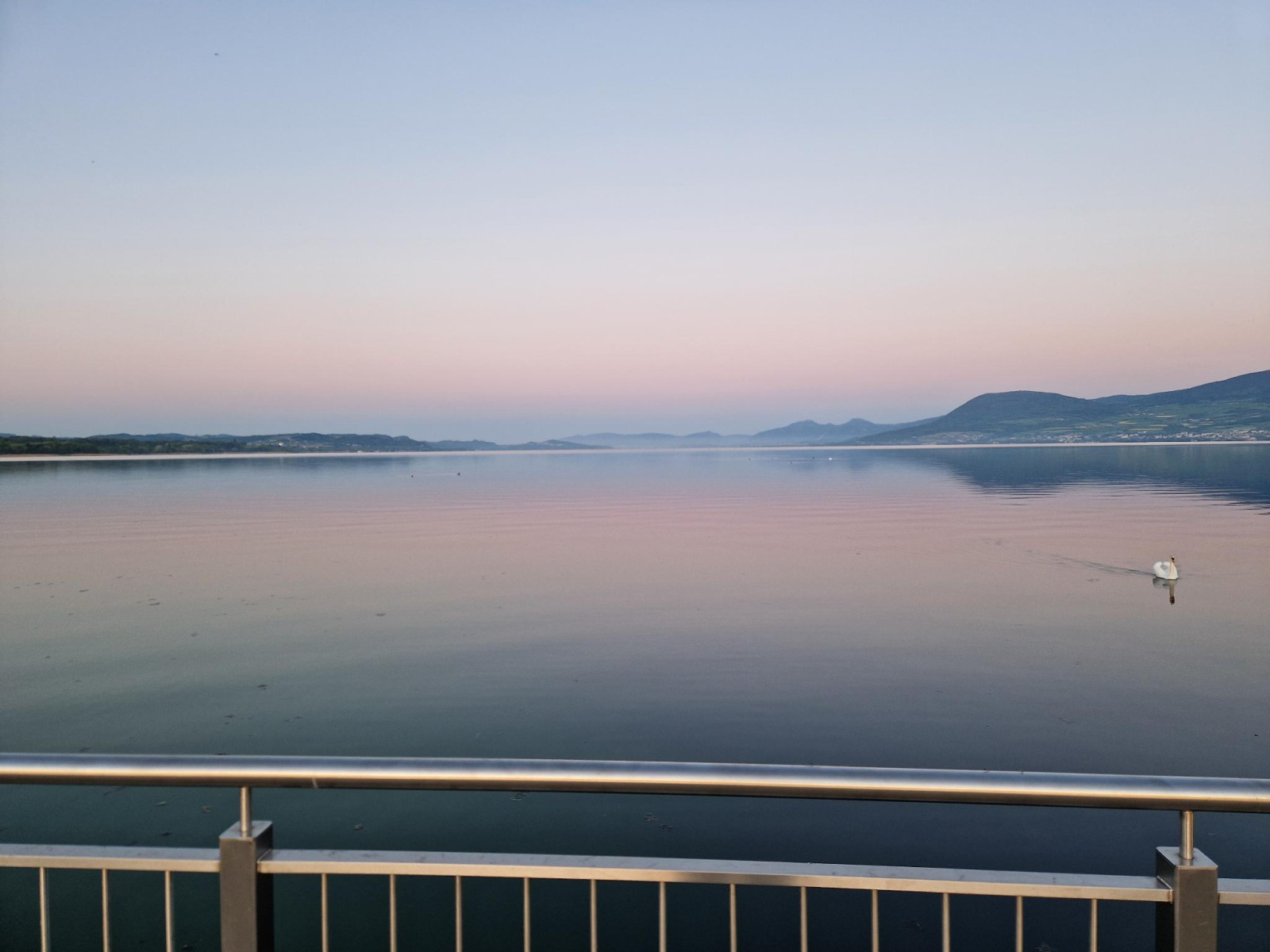
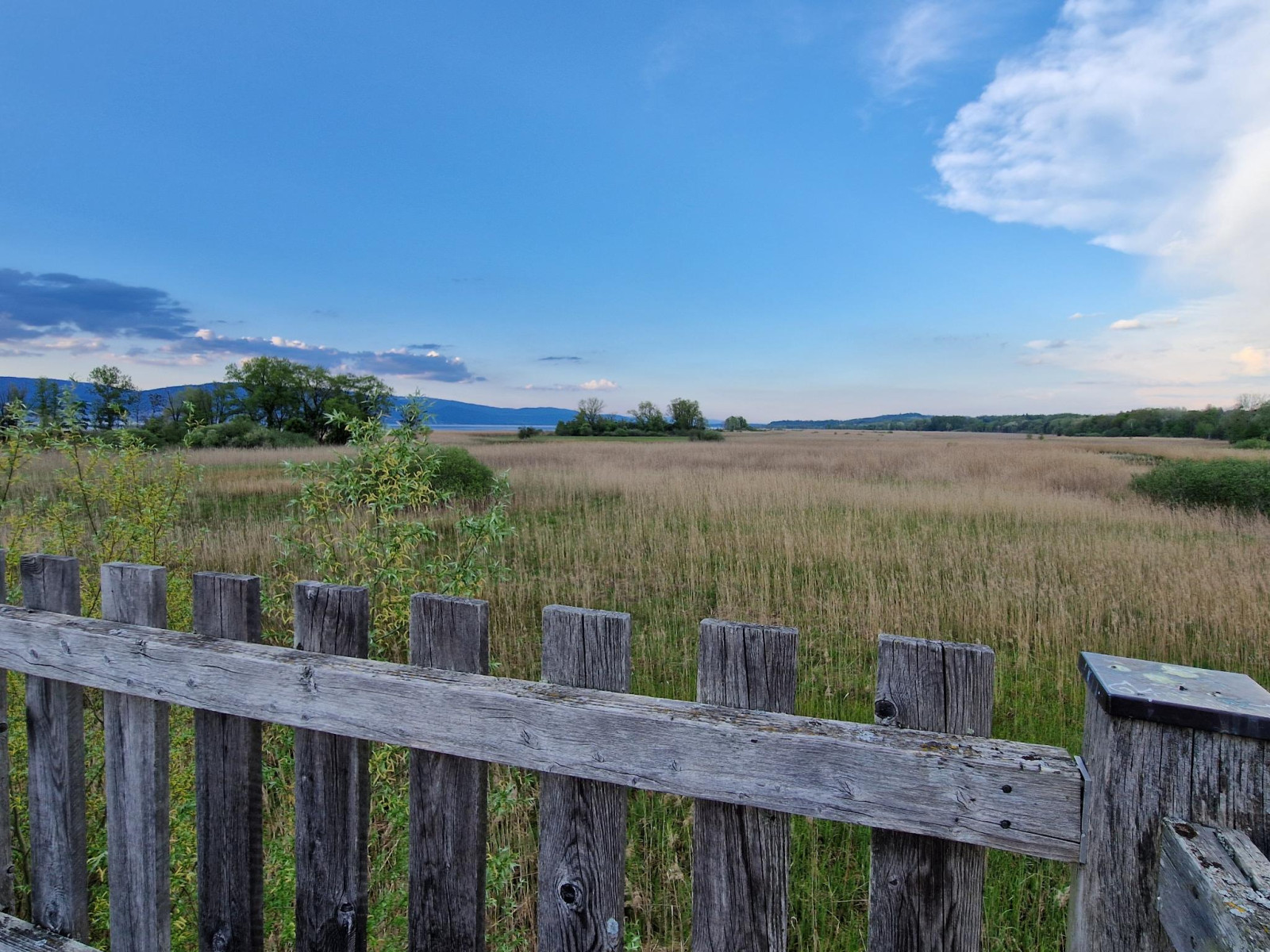
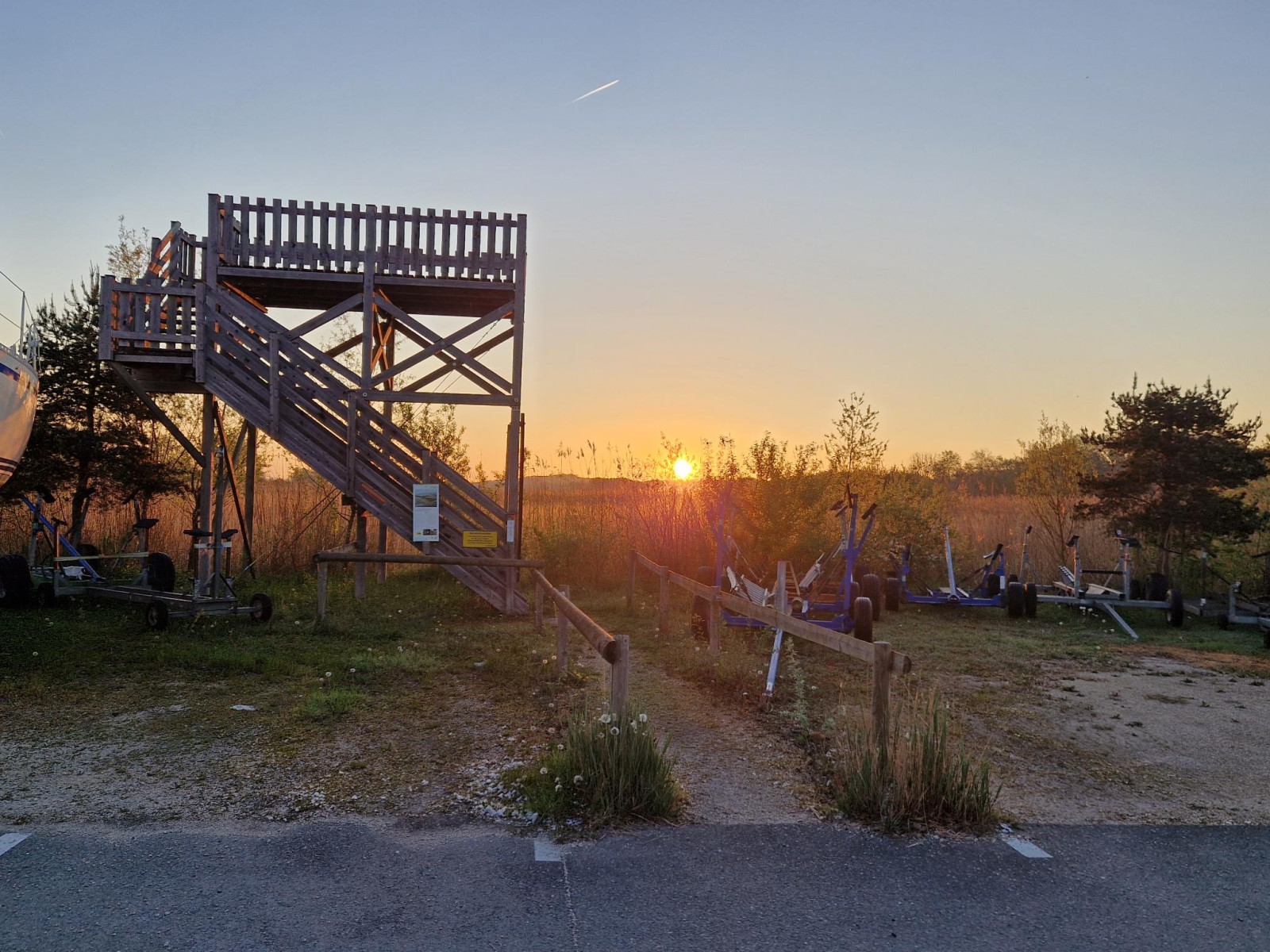
The port of Chevroux cuts right through the largest reed area in Switzerland, the Grande Cariçaie on the eastern shore of Lake Neuchâtel. The geographical layout is similar to that in nearby Gletterens, Estavayer or Yvonand, shaped by four habitat types: riparian forests (1) transition into reeds (2) and then into the lake (3). The fourth habitat is the park-like pier (4), which - as in the other places - features a marina and a bathing beach. Worth mentioning is the somewhat hidden platform that offers a good view of the reeds (including a colony of Cormorano).
The species you can observe here (in total, 225 are recorded) are also comparable to those at the other sites: the forest is home to Cuculo and Rigogolo, from the reeds you’ll hear Basettino, Salciaiola, Tarabusino and Cannareccione, the transition zone provides some space for Piro piro piccolo, and on the water you’ll see various ducks and Svasso maggiore. Sterna comune breed some years and can be observed on the pilings. Codirosso spazzacamino nests on the buildings and Codirosso in the bushes. The pier offers a good spot to watch waders and birds of prey migrating along the lake during the right periods.
There’s not much space for resting birds though; in Chevroux, recreational use dominates. If you can choose, you’ll probably prefer the shores at Gletterens, Estavayer, Yvonand or of course the two great reserves at Yverdon (south) or the Fanel / Chablais de Cudrefin (north). Worth highlighting is the pier, which extends far into the lake and gives a good overview of the area. Especially from October to March there are chances for interesting winter visitors: Svasso collorosso and Smergo minore are reported regularly, the rare Moretta grigia quite often. There is one record each of rarities like Stercorario mezzano, Orco marino and Cigno minore. In November 2021 and 2022, a Zigolo delle nevi was observed.
Dettagli
Accesso
The port of Chevroux is located on the eastern shore of Lake Neuchâtel. The entire area is wheelchair accessible. It’s best reached by bus from Payerne. Local parking spaces are scarce.
Terreno e habitat
Foresta , Zona umida , Canneti , Lago , SpiaggiaCaratteristiche dell’area
Terreno pianoPercorso ad anello
NoÈ utile un cannocchiale?
SiBuona stagione per il BW
Tutto l'annoMiglior periodo per visitare
Inverno , Migrazione primaverilePercorso
Sentiero ampio , Strada asfaltataGrado di difficoltà del percorso a piedi
FacileModalità di accesso
A piedi , Bicicletta , Sedia a rotelleCapanno/torretta di osservazione
SiInformazioni aggiuntive
If you’re birding here, you’ll usually find yourself alone among recreational visitors; an early morning visit is recommended.


 ) per inserire i nomi delle specie nella tua lingua. I nomi delle specie verranno automaticamente tradotti per gli altri utenti!