Descrizione
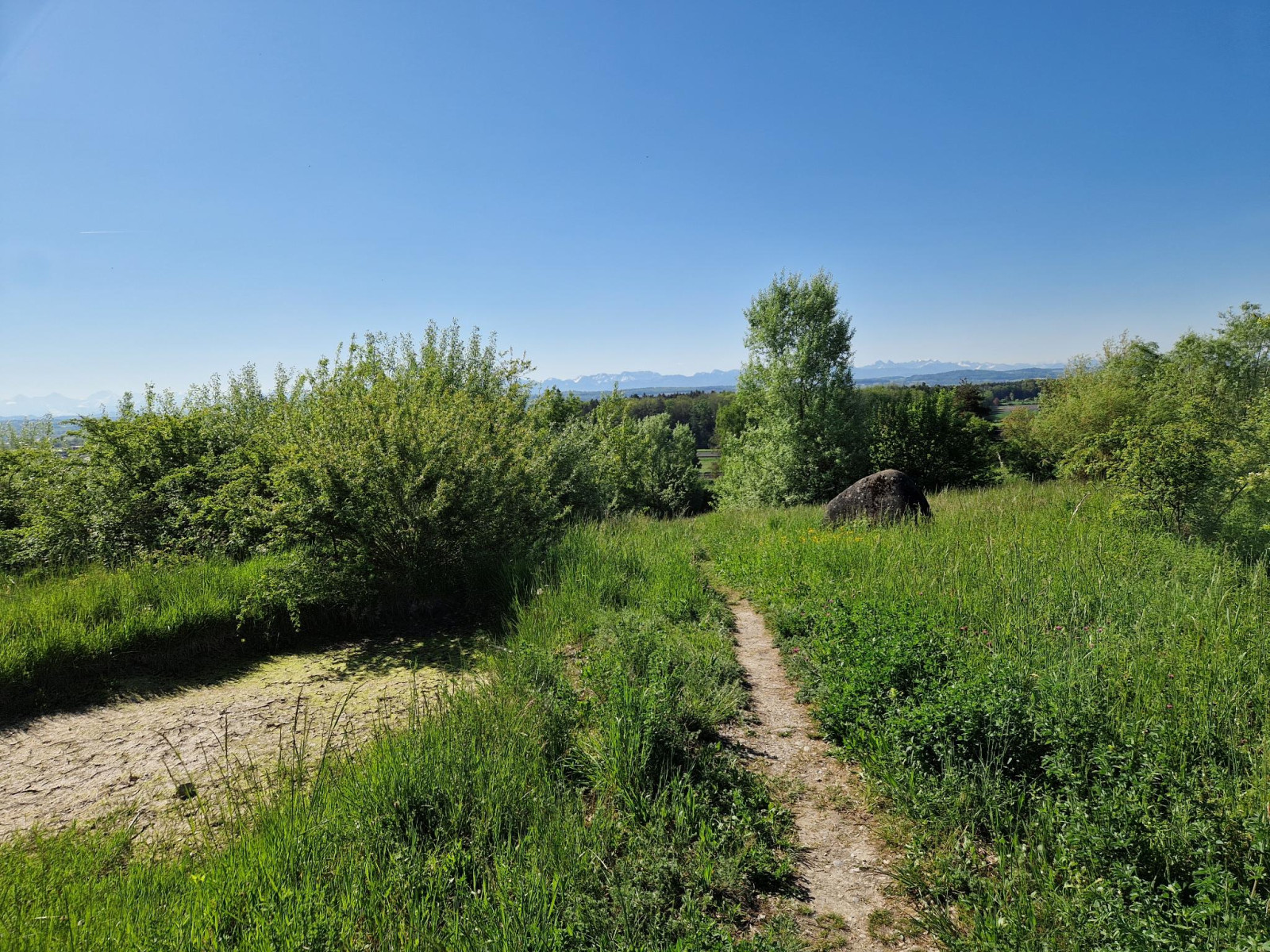
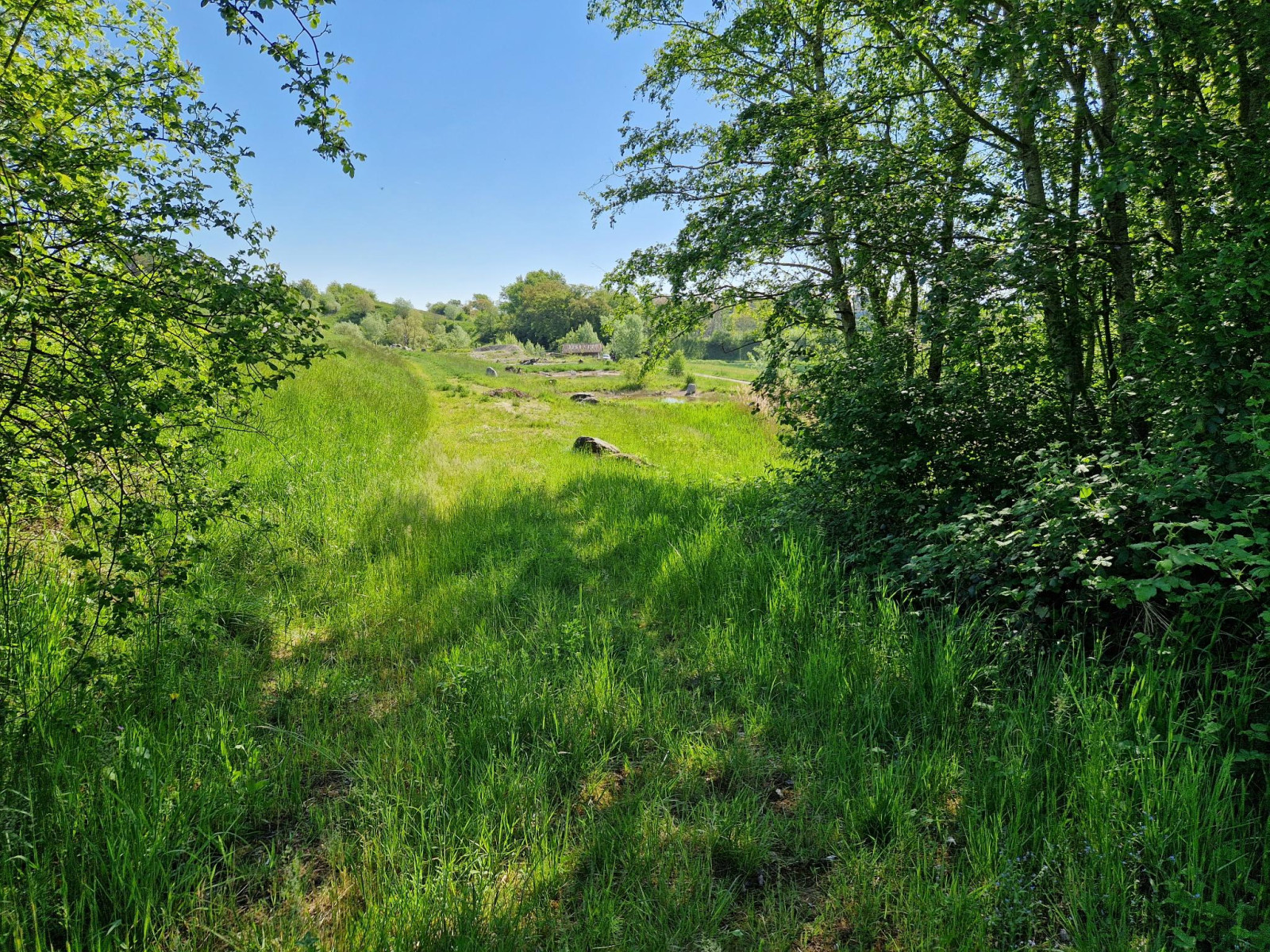
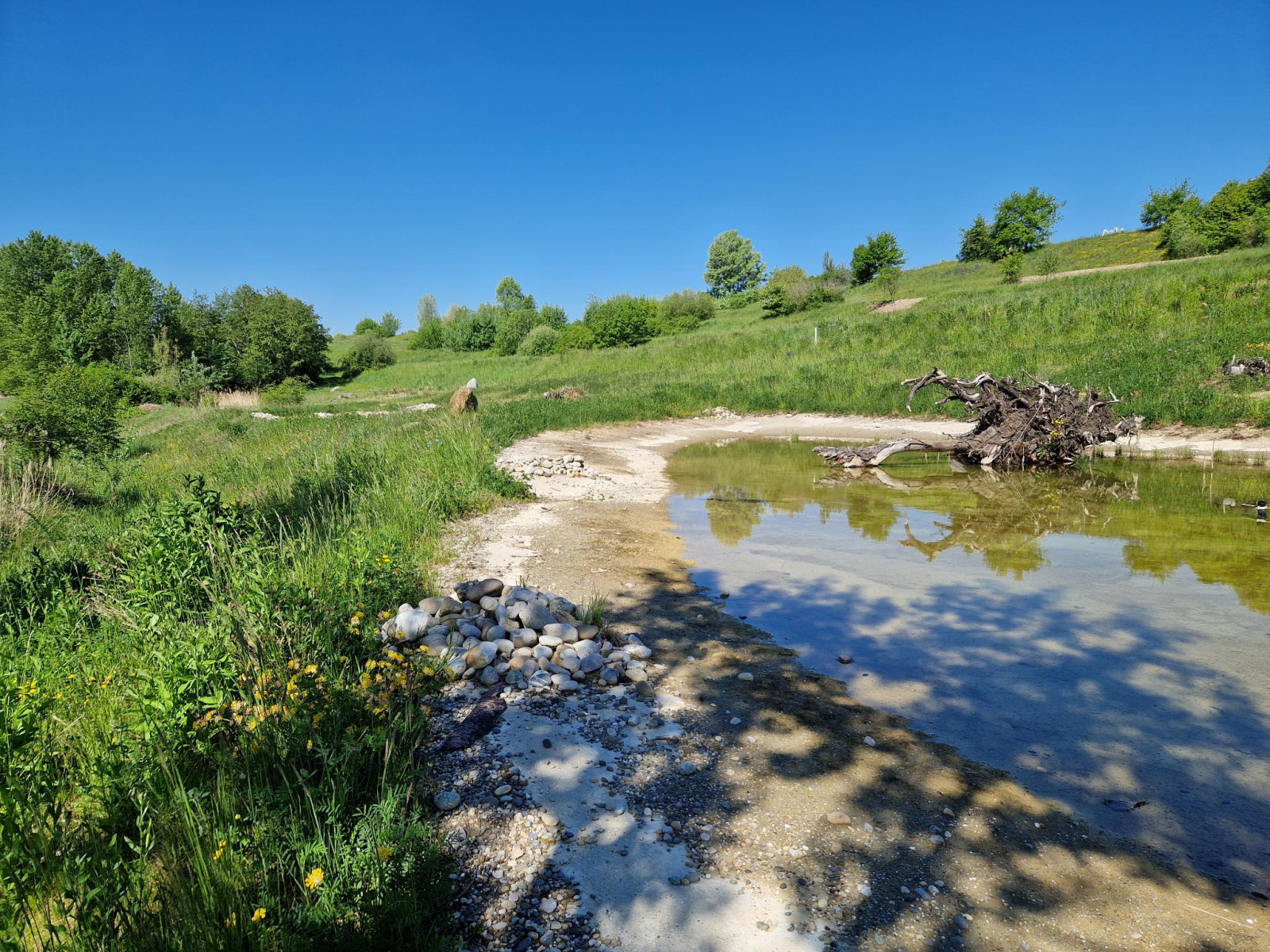
About 150 species have so far been recorded in this tiny nature reserve. Bir länge Stude is part of the Grosses Moos in the north of Lake Neuchâtel. It consists of a south-facing slope with semi-dry meadows (1), richly structured hedges (2) and a restored gravel pit (3). At the foot of the slope, some ponds have been created for amphibians (4); a small, ecologically managed vineyard (5) is cultivated here on a voluntary basis.
The typical birds of these habitats, which have become rare elsewhere, include Sterpazzola, Usignolo, Averla piccola, Stiaccino, Codirosso and Saltimpalo. The orchard trees provide food for Torcicollo. Especially in the tree groups lower down (6) you’ll find Tortora selvatica and Rigogolo. One of the main target species of conservation efforts here is the Strillozzo, which has one of its last refuges in Switzerland in the Grosses Moos. Somewhat less frequently, Forapaglie macchiettato, Bigiarella and Quaglia are also seen. Noteworthy too is the large colony of Topino in the restored gravel pit. From there, the call of the Gruccione has been heard repeatedly - so far probably only from migrating individuals.
During spring migration, rare relatives of the habitat’s typical resident species turn up again and again: Calandrella, Ortolano, Storno roseo, and most recently a Averla capirossa have been sighted. Gufo di palude and Falco cuculo have also already stopped over in the area.
Dettagli
Accesso
Bir Länge Stude is located between the villages of Müntschemier and Ins. The area is not specifically wheelchair accessible, but is mostly walkable on small paths. It’s somewhat remote and best reached by bike or on foot.
Terreno e habitat
Foresta , Terreni coltivati , Alberi e cespugli sparsi , Prateria/pascolo , StagnoCaratteristiche dell’area
Collinoso , Paesaggio apertoPercorso ad anello
SiÈ utile un cannocchiale?
NoBuona stagione per il BW
Primavera , Estate , AutunnoMiglior periodo per visitare
Migrazione primaverilePercorso
Sentiero ampio , Strada sterrataGrado di difficoltà del percorso a piedi
FacileModalità di accesso
A piediCapanno/torretta di osservazione
NoInformazioni aggiuntive
If you’re birding here, you’ll often find yourself alone in open fields. An early morning visit is recommended.



 ) per inserire i nomi delle specie nella tua lingua. I nomi delle specie verranno automaticamente tradotti per gli altri utenti!