
Descrizione
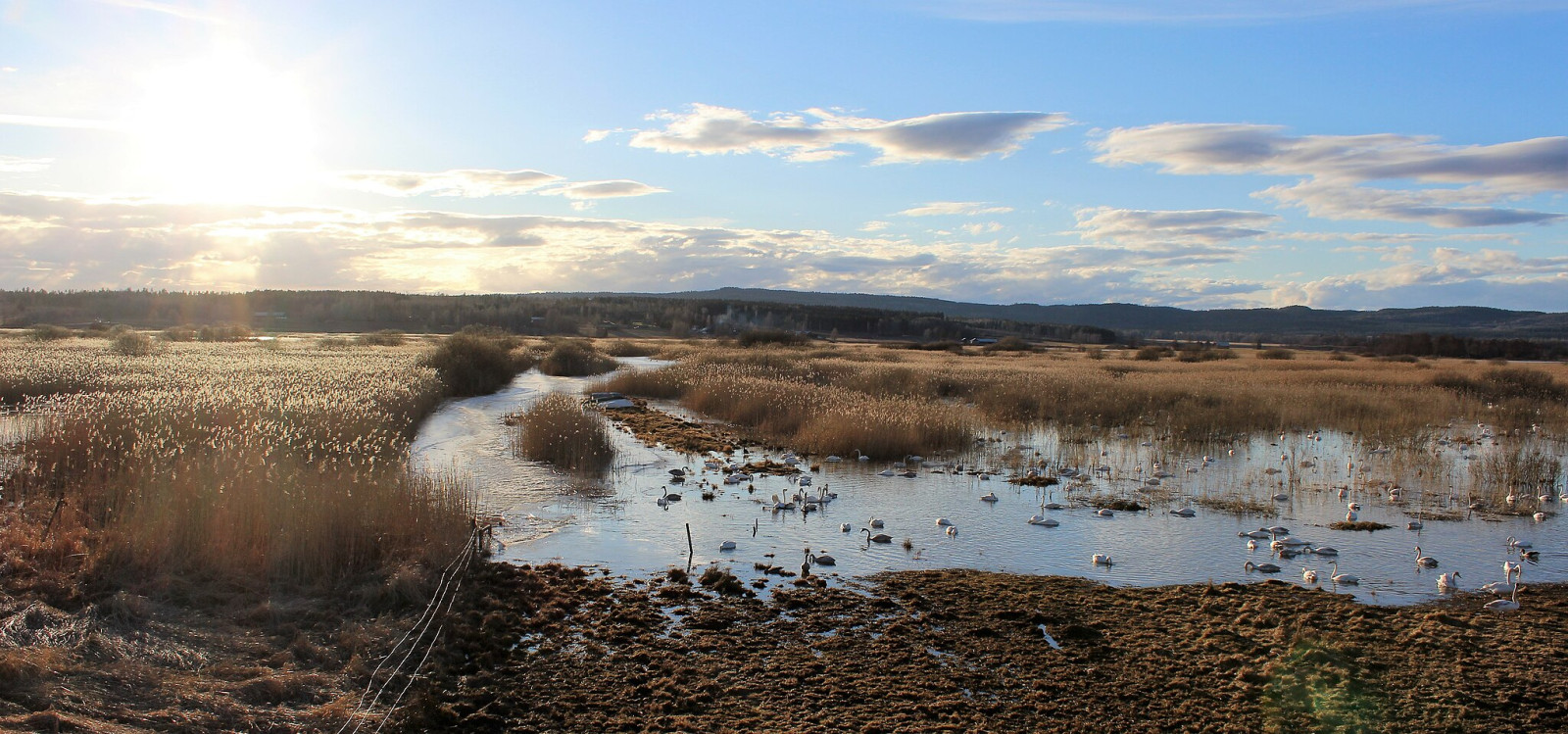
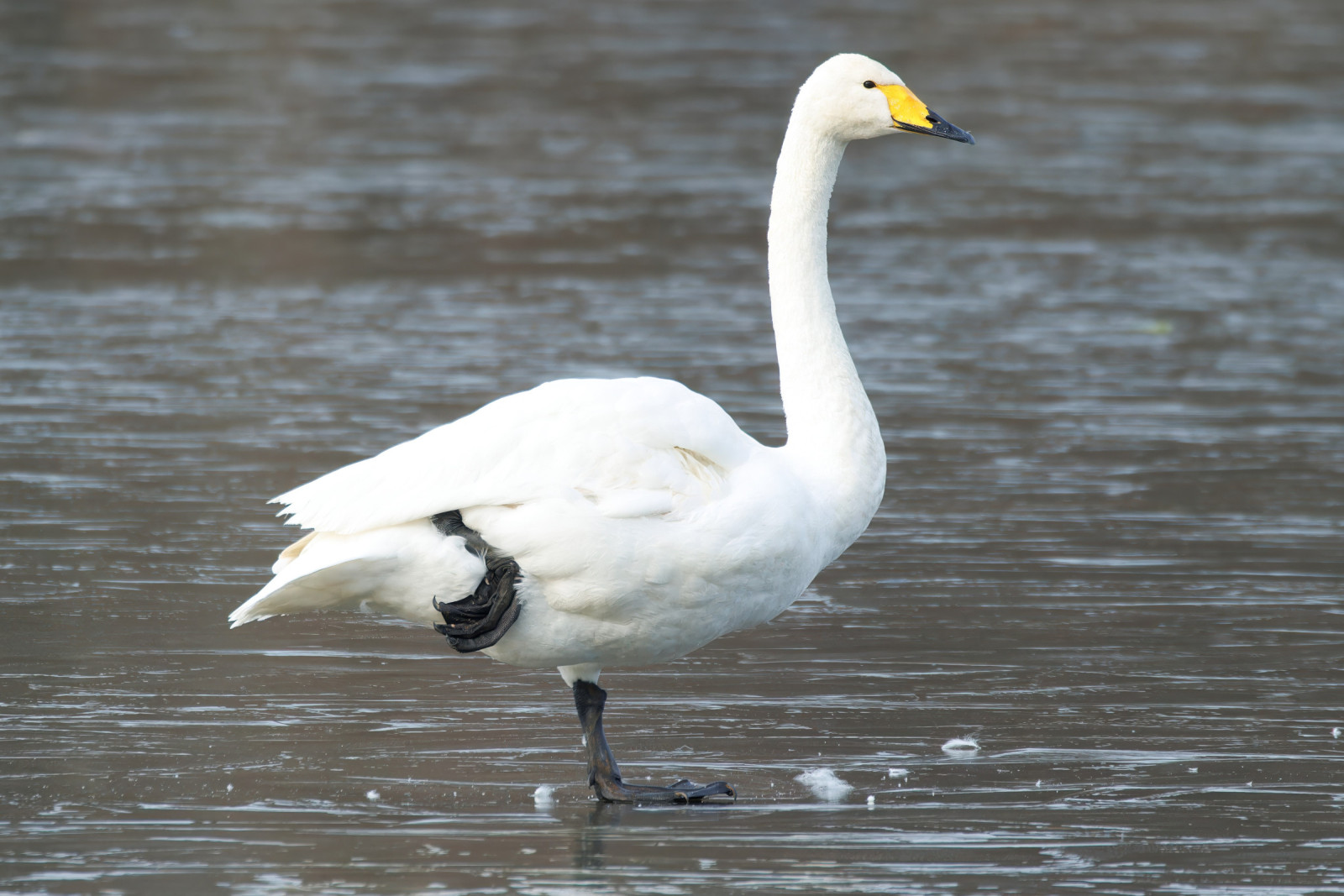
Lake Tysslingen is six kilometres long but only a metre deep. The shores are lined with wet meadows and reeds as well as a small part of forest. Unlike the species-poor lakes of the forest district, Tysslingen is more nutritious and teeming with life. The open water surface is largely covered by yellow and white water lilies. The shallow and nutrient-rich plain lake attracts a variety of bird species that nest on the wet meadows or rest before flying on. Tysslingen is known for the large number of Cigno selvatico that during February-March rest on the lake's northern shore meadows. Among the other birds you can see in the area are Oca granaiola della taiga, Oca zamperosee, Alzavola, Quattrocchi, Gru, Pavoncella, Beccaccino, Piro piro boschereccio, Falco di palude, Falco pescatore and Aquila di mare.
Dettagli
Accesso
The Tysslingen Nature Reserve is located about one mile west of the urban area of the city of Örebro. From Örebro to the southern end of the lake: turn off from the E20 at the exit signposted to Garphyttan. Drive Karlslundsgatan west. Just after Gräve you have the information tower and the south observation tower on the right side of the detour. From Örebro to Rånnesta: turn off from the E20 at the exit signposted towards Närkes Kil. Drive Ekersgatan to the northwest and then follow white signs towards Tysslingen.
Åkerbymaden on the southeast side of the lake is reached by an accessible viewing platform via a hardened path. This trail has some sections with a slightly steeper slope (helpers may be needed for wheelchair users).
The north observation tower at Rånnesta gives you a nice view of the lake. The first two floors are accessed via accessible ramps.


 ) per inserire i nomi delle specie nella tua lingua. I nomi delle specie verranno automaticamente tradotti per gli altri utenti!