Descrizione
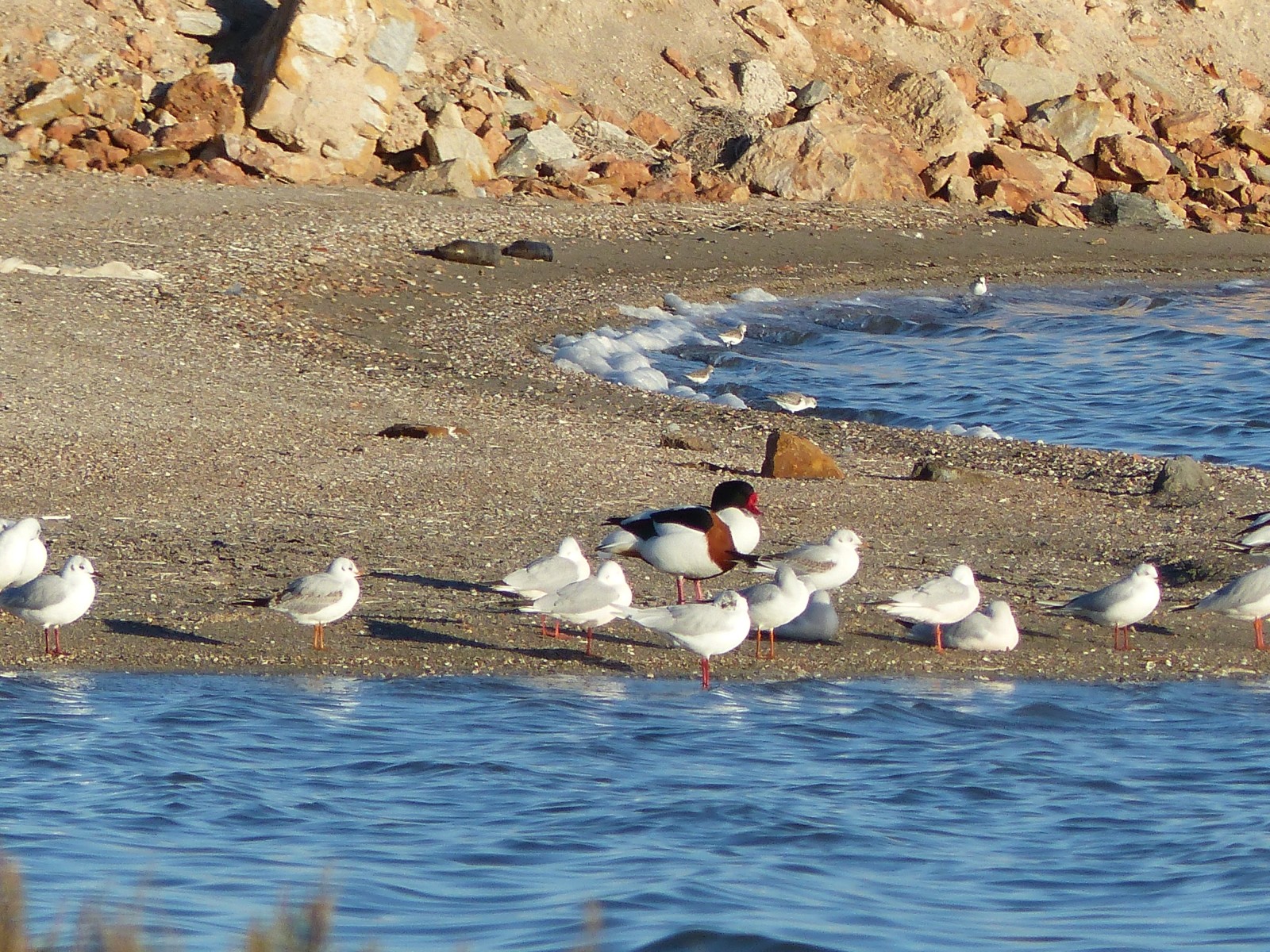
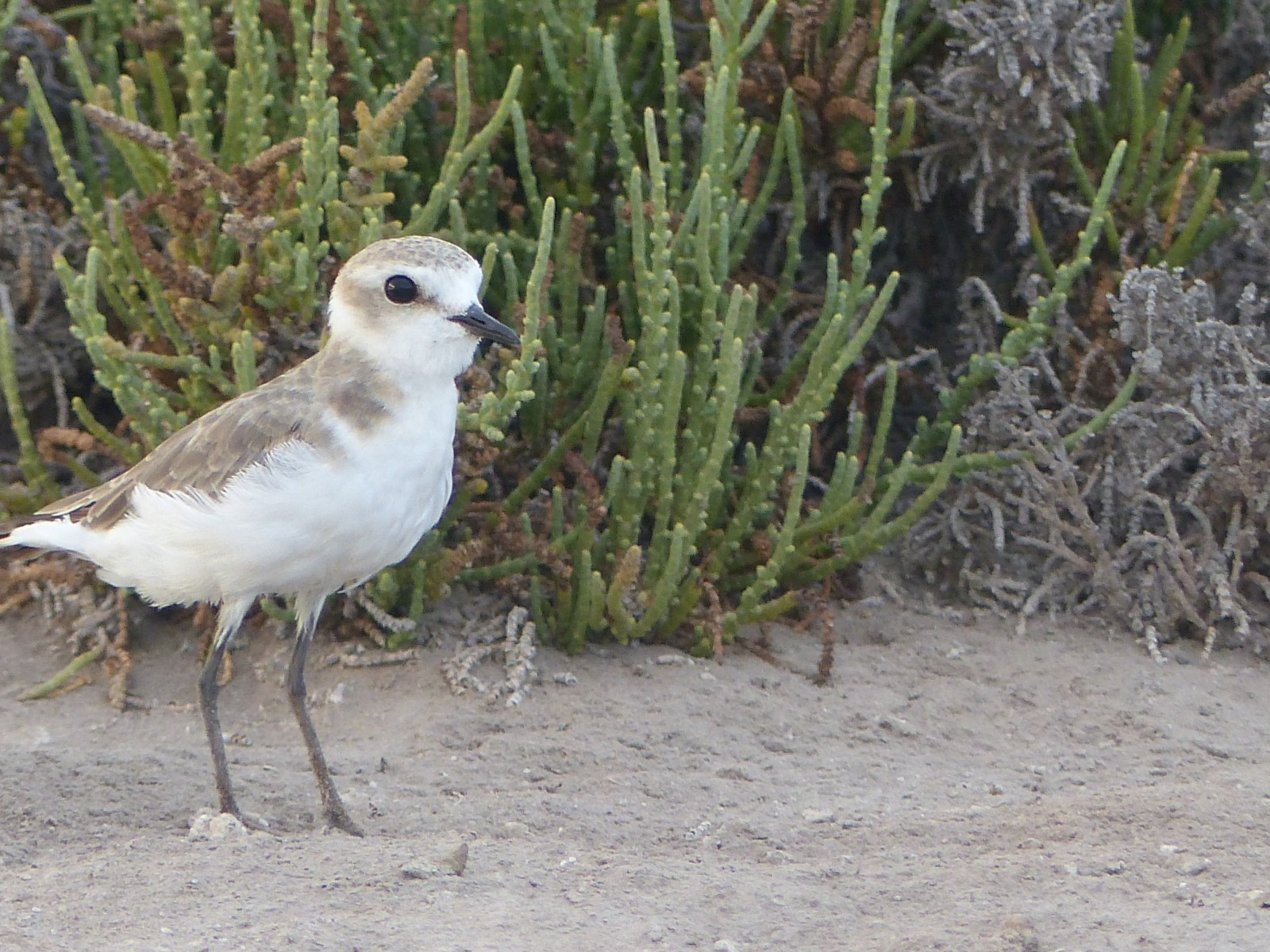
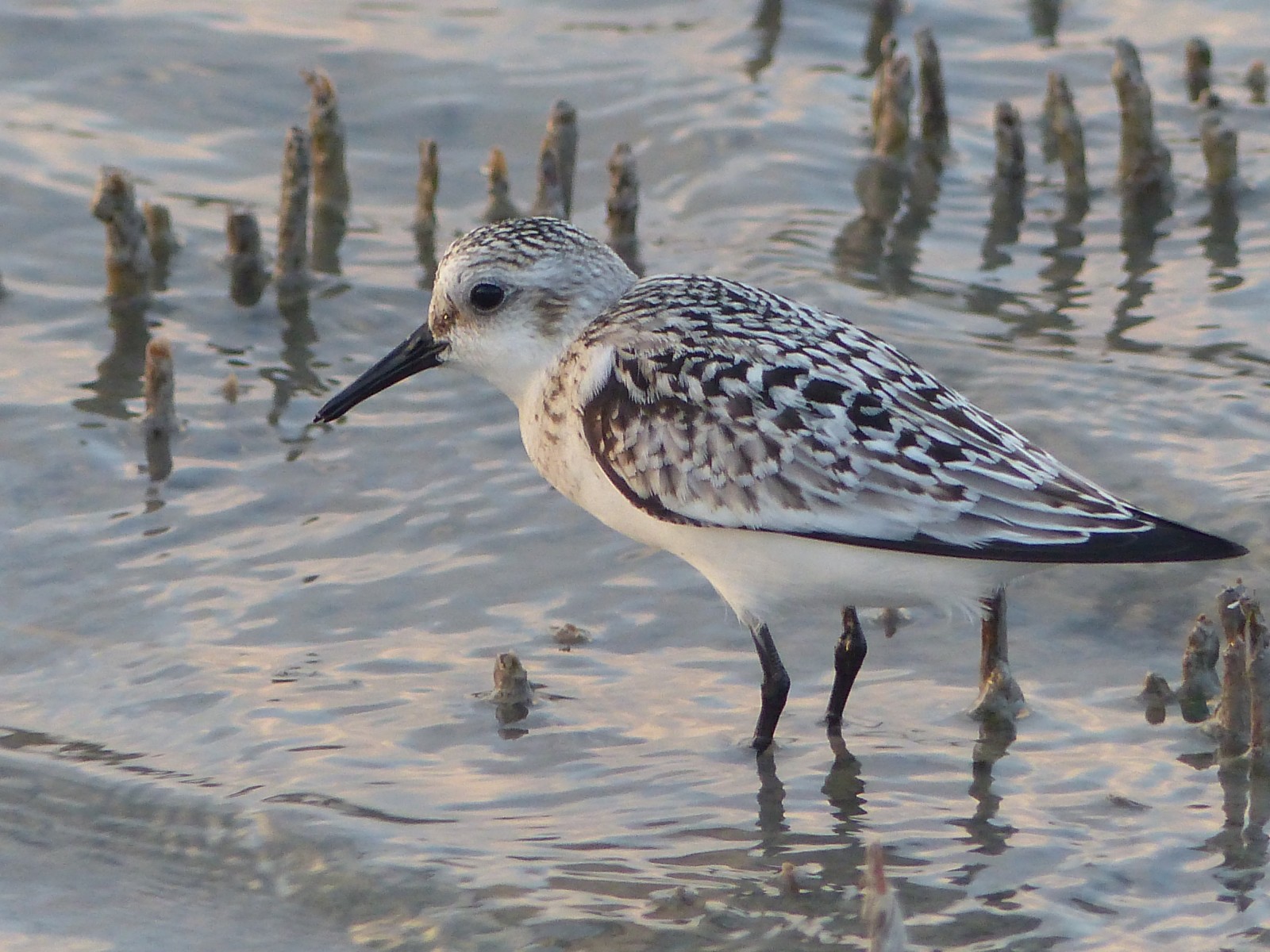
The area around the Salinas de San Pedro is divided in two zones: the salt pans themselves and the dunes. The first ones are the most worth visting, as they have the highest amount and variety of birds. These are highly saline shallow pools, surrounded by higher areas of land, with halophile vegetation on them, and some islands where birds like to rest. The most oustanding birds are Fenicottero, as well as Volpoca and lots of plovers, sandpipers and other shorebirds. In summer, terns such as Fraticello and Sterna comune form breeding colonies, as well as Fratino, Avocetta and Cavaliere d'Italia.
The dunes area is closer to the actual beach, and is mainly a pine forest with dune vegetation under the trees, with some open spaces of sand. When it rains, some open areas get flooded and turn into small ponds, where birds like Volpoca go to feed. However, the most common birds of this habitat are small ones, with the presence of Tortora selvatica, Cappellaccia and Averla meridionale, which move from the treetops to the ground to feed.
Dettagli
Accesso
The Salinas de San Pedro are located directly east of the town of San Pedro del Pinatar. To enter the area you can go both by car, by bike or by foot, as there is a road in the middle of the pools with two walkways next to it. You can park at the end of it, as there are some slots, however, there are not many parking places, so they usually get full. On the southern side of the area is a bigger parking. Press a P on the map for directions. The dune area can only be accessed on foot, as there are some wooden platforms built for going to the actual beach. The walk is quite short, it is just 10 minutes from the nearest village.
Terreno e habitat
Foresta , Zona umida , Alberi e cespugli sparsi , Mare , Dune , Spiaggia , Velme , CannetiCaratteristiche dell’area
Terreno piano , Sabbioso , Paludoso , Asciutto , Acqua alta possibile , Polveroso , Non ombreggiatoPercorso ad anello
SiÈ utile un cannocchiale?
Può essere utileBuona stagione per il BW
Tutto l'annoMiglior periodo per visitare
Migrazione autunnale , Inverno , EstatePercorso
Strada sterrataGrado di difficoltà del percorso a piedi
FacileModalità di accesso
A piedi , Bicicletta , Macchina , Sedia a rotelleCapanno/torretta di osservazione
SiInformazioni aggiuntive
Apart from the birds, you can appreciate most of the typical fauna and flora from the Mediterranean coast and dunes, including the fartet (Aphanius iberus) and the common chamaeleon (Chamaeleo chamaeleon). Some botanical marvels include the endemic Helianthemum marminorense and Tetraclinis articulata, and the beautiful Pancratium maritimum.
Link
- Official web page of the Regional Park
- Official web page from the San Pedro del Pinatar town hall
- EBirds checklist of the place


 ) per inserire i nomi delle specie nella tua lingua. I nomi delle specie verranno automaticamente tradotti per gli altri utenti!