
Descrizione
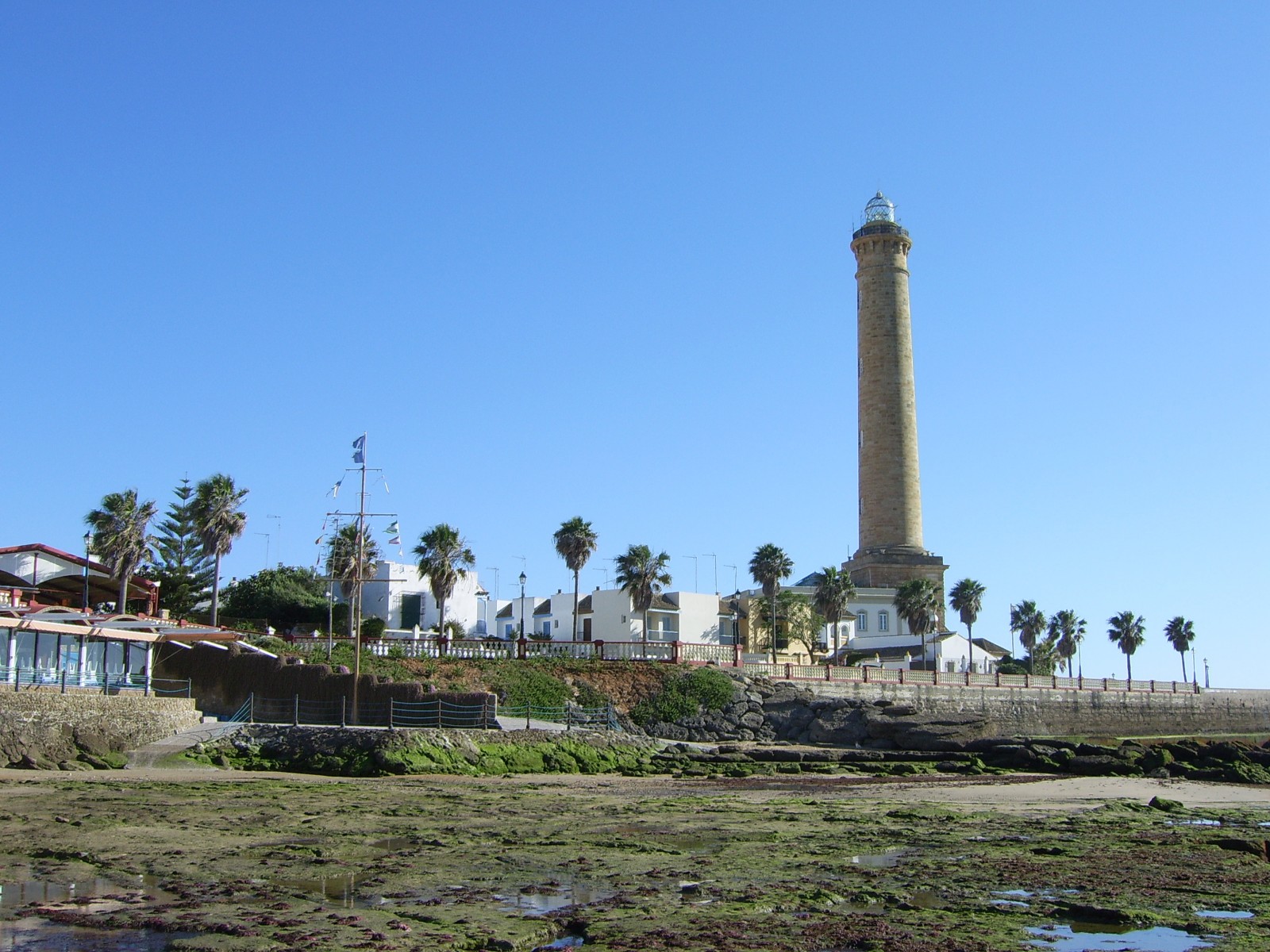
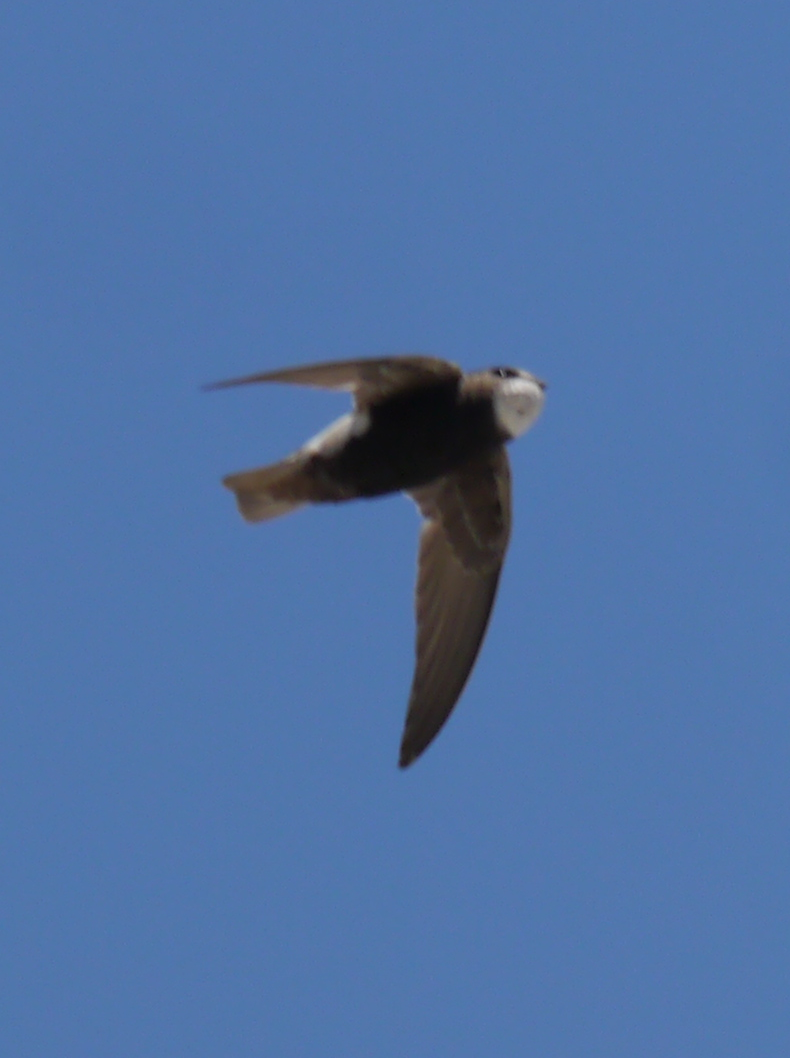
The primary reason for visiting Chipiona is to see Rondone indiano, which has its largest colony in Europe here. This colony is now widely referenced on the internet and details published in books and guides. Birds can be seen throughout the year although winter tends to be less productive. Checking in the morning and late afternoon as birds go to roost is generally best. Note that birds can be easily seen and photographed without approaching the nests and, although workmen often carry on their duties below the colony, birds are more nervous and stressed when birdwatchers and photographers, focusing on the nests, do so. This is unacceptable and unnecessary since birds can be well seen and photographed without approaching the nests. Look too for Rondone comune and Rondone pallido. Check the area for gulls (incl Gabbiano corso).
The fish traps (corrales) here often attract gulls and terns and the usual waders. Seawatching from near the lighthouse with onshore winds can be excellent ( Sula, Berta balearica, Berta maggiore, Stercorario maggiore, etc in the morning (later in the day the light is in your eyes).
Dettagli
Accesso
Follow signs for Chipiona and then to the small harbour (Puerto de Chipiona) where you can park by the beach outside the harbour walls (note it can be very busy in August). Press P on the map for directions.
Terreno e habitat
Spiaggia , MareCaratteristiche dell’area
Terreno pianoPercorso ad anello
NoÈ utile un cannocchiale?
SiBuona stagione per il BW
Primavera , AutunnoMiglior periodo per visitare
Primavera , AutunnoPercorso
Strada asfaltataGrado di difficoltà del percorso a piedi
FacileModalità di accesso
A piediCapanno/torretta di osservazione
NoInformazioni aggiuntive
Chipiona is well known for its seafood so makes a good stop for lunch. The lighthouse (faro) is the tallest in Spain. The corrales are ancient enclosures used to trap fish.


 ) per inserire i nomi delle specie nella tua lingua. I nomi delle specie verranno automaticamente tradotti per gli altri utenti!