Descrizione
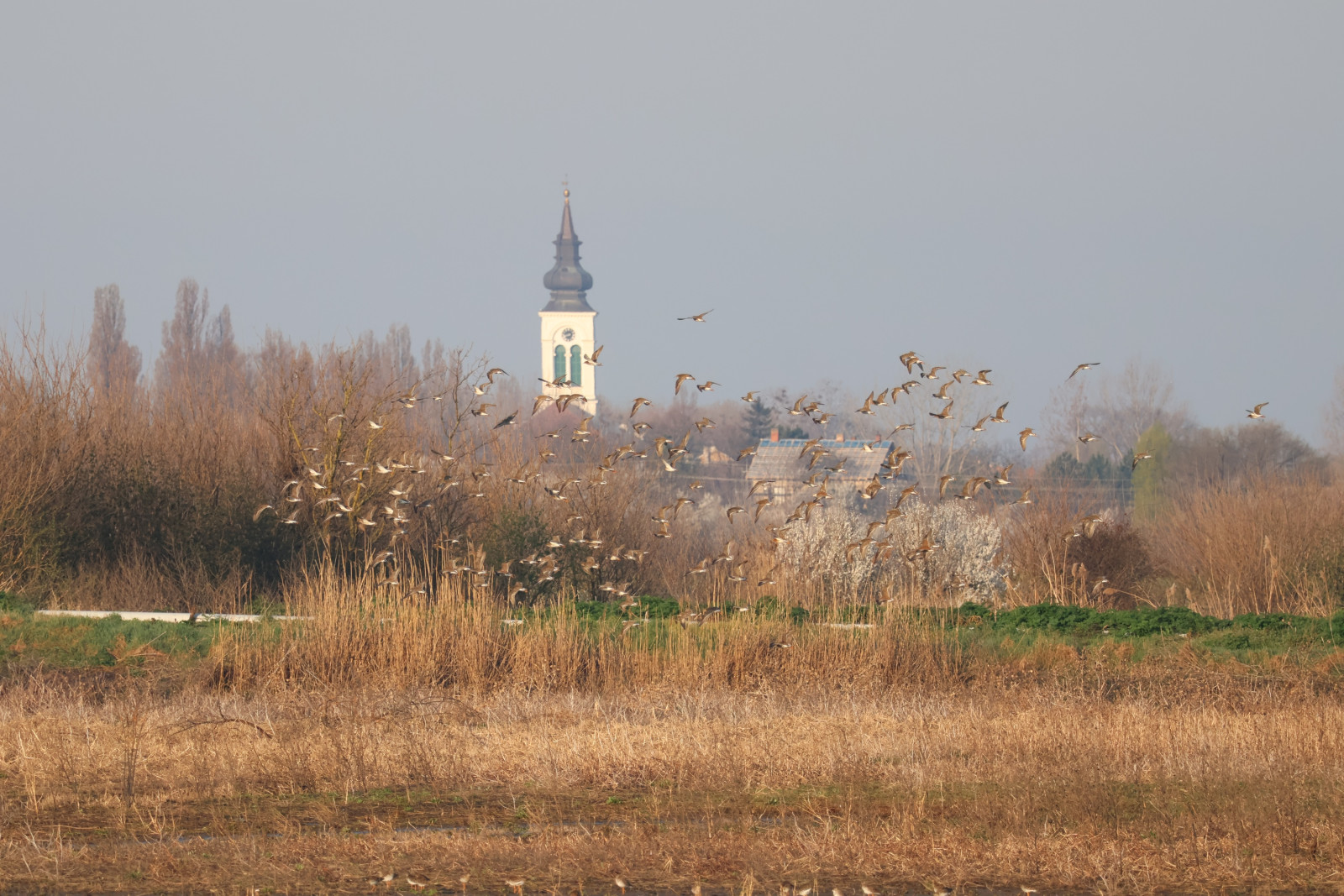
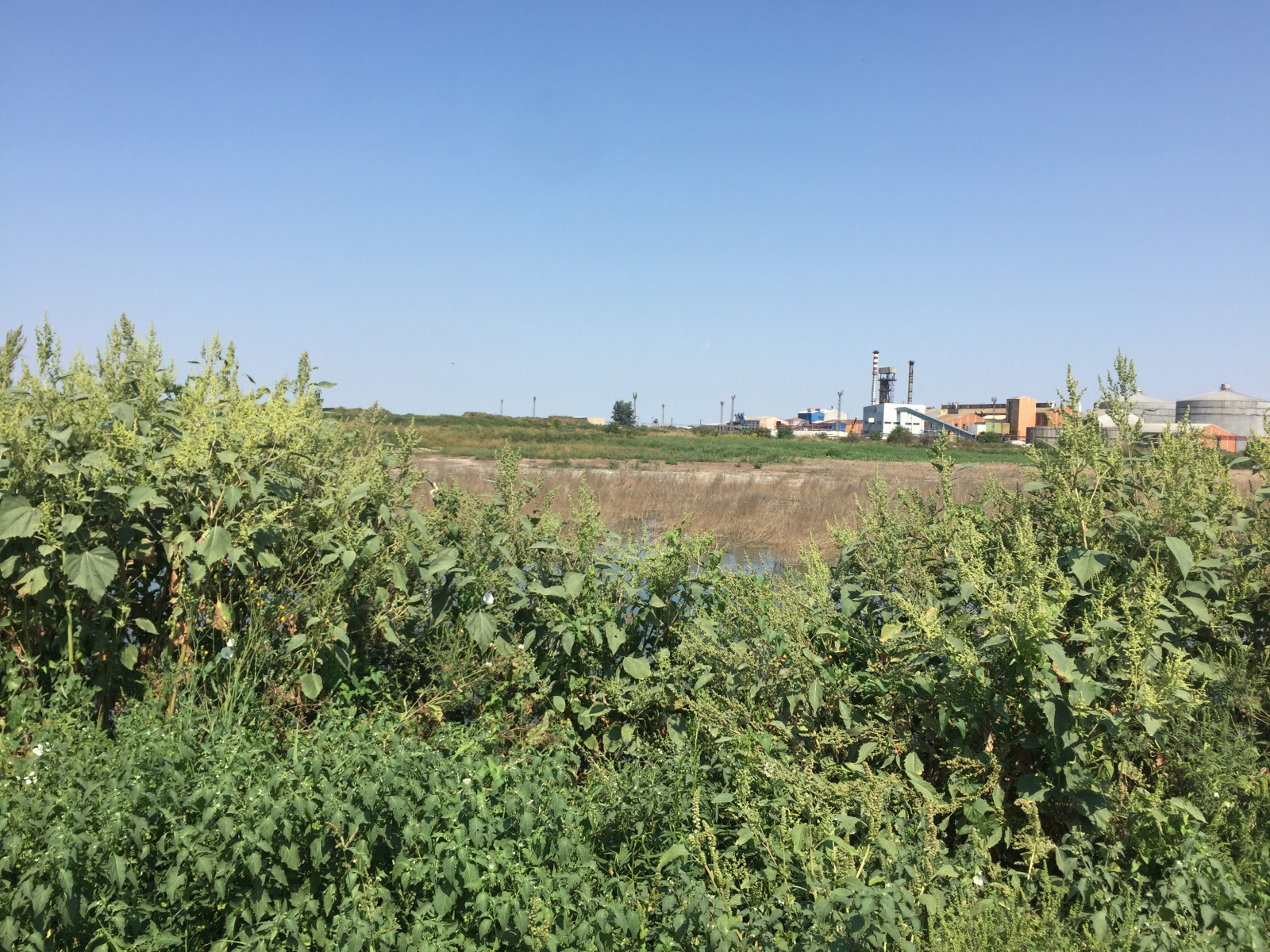
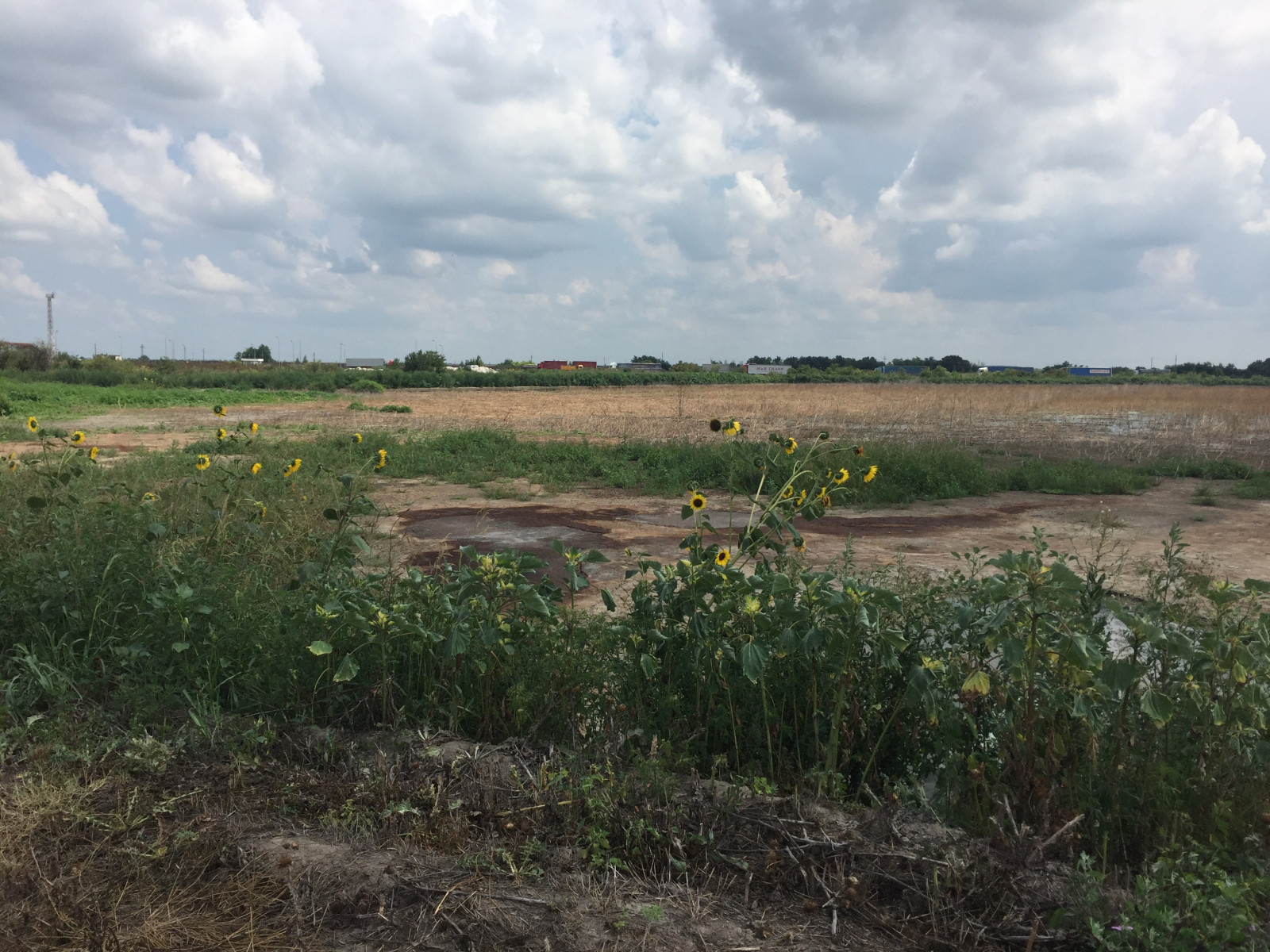
The “Jedinstvo” Sugar Plant ponds lie between Kovacica and Debeljaca villages, about 40 km northeast from Belgrade. The wastewater collectors cover an area of about 100 ha. There are a total of seven smaller or larger ponds, 10 to 20 hectares in size. All ponds are surrounded by embankments 2-3 m high, while the entire wastewater collectors area is surrounded by a canal 2-3 m wide with a narrow belt of reeds along the edges. The plant is operational and the ponds can be quite smelly. The smaller, northern ponds are shallower and more productive. This is possibly the best visited spot around.
If the water level is right, not too deep nor dry, waders here include Piovanello comune, Totano moro, Piovanello maggiore, Corriere piccolo, Chiurlo piccolo, Pittima reale, Corriere grosso, Voltapietre, Combattente, Gambecchio frullino, Gambecchio nano, Piovanello pancianera, Gambecchio comune, Beccaccino, Piro piro piccolo, Piro piro culbianco, Pantana, Albastrello, Piro piro boschereccio, Pettegola and Pernice di mare (rarity). Gabbiano comune, Cavaliere d'Italia and Avocetta breed at the beginning of the marked route, while Pavoncella breed more to the right, closer to the sugar plant.
Other birds to look for include Marzaiola, Svasso piccolo, Porciglione, Mignattino comune, Mignattino piombato, Mignattino alibianche, Tarabusino, Sgarza ciuffetto, Gruccione, Ghiandaia marina, Averla piccola, Averla cenerina (uncommon) and Averla capirossa (rarity).
Photos (2) by Ivana Novčić and Mileta Čeković.
Dettagli
Accesso
It lies just north of the Debeljaca turn off. You can park there and visit the ponds on foot (visible as the low embankment on your left-hand side), or use the next turn off for the plant itself, in which case be sure not to block the road for large lorries heading for the plant gate. For driving directions, zoom in on the map and click on the "P" (parking) sign.
Terreno e habitat
Terreni coltivati , Velme , Lago , Zona umida , Pianura , CannetiCaratteristiche dell’area
Terreno piano , Non ombreggiato , Paesaggio apertoPercorso ad anello
SiÈ utile un cannocchiale?
SiBuona stagione per il BW
Primavera , AutunnoMiglior periodo per visitare
Migrazione primaverile , Migrazione autunnale , PrimaveraPercorso
Sentiero ampio , Strada sterrataGrado di difficoltà del percorso a piedi
FacileModalità di accesso
A piediCapanno/torretta di osservazione
NoInformazioni aggiuntive
The best season is September to October, as well as April to May.



 ) per inserire i nomi delle specie nella tua lingua. I nomi delle specie verranno automaticamente tradotti per gli altri utenti!