.jpg)
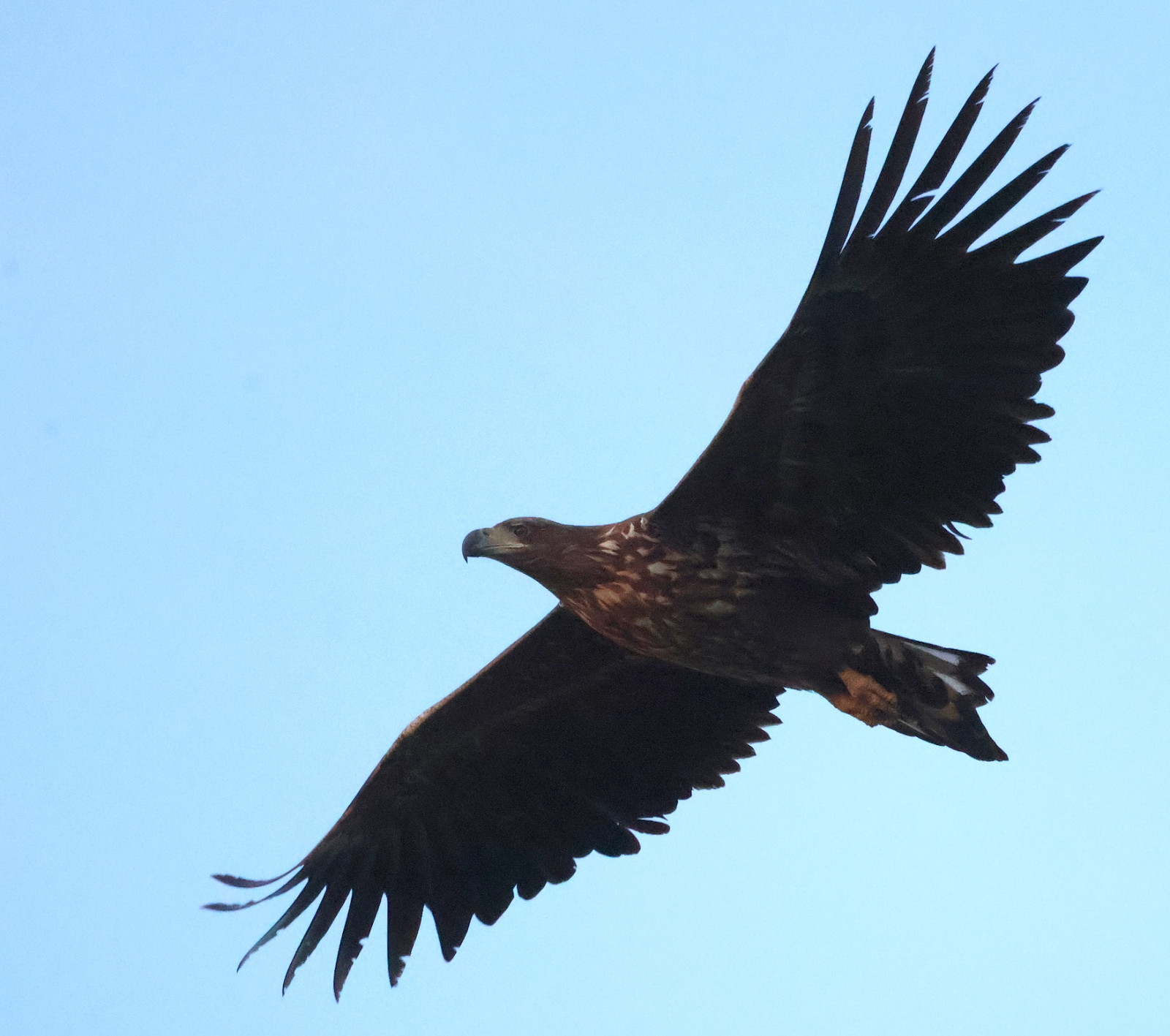
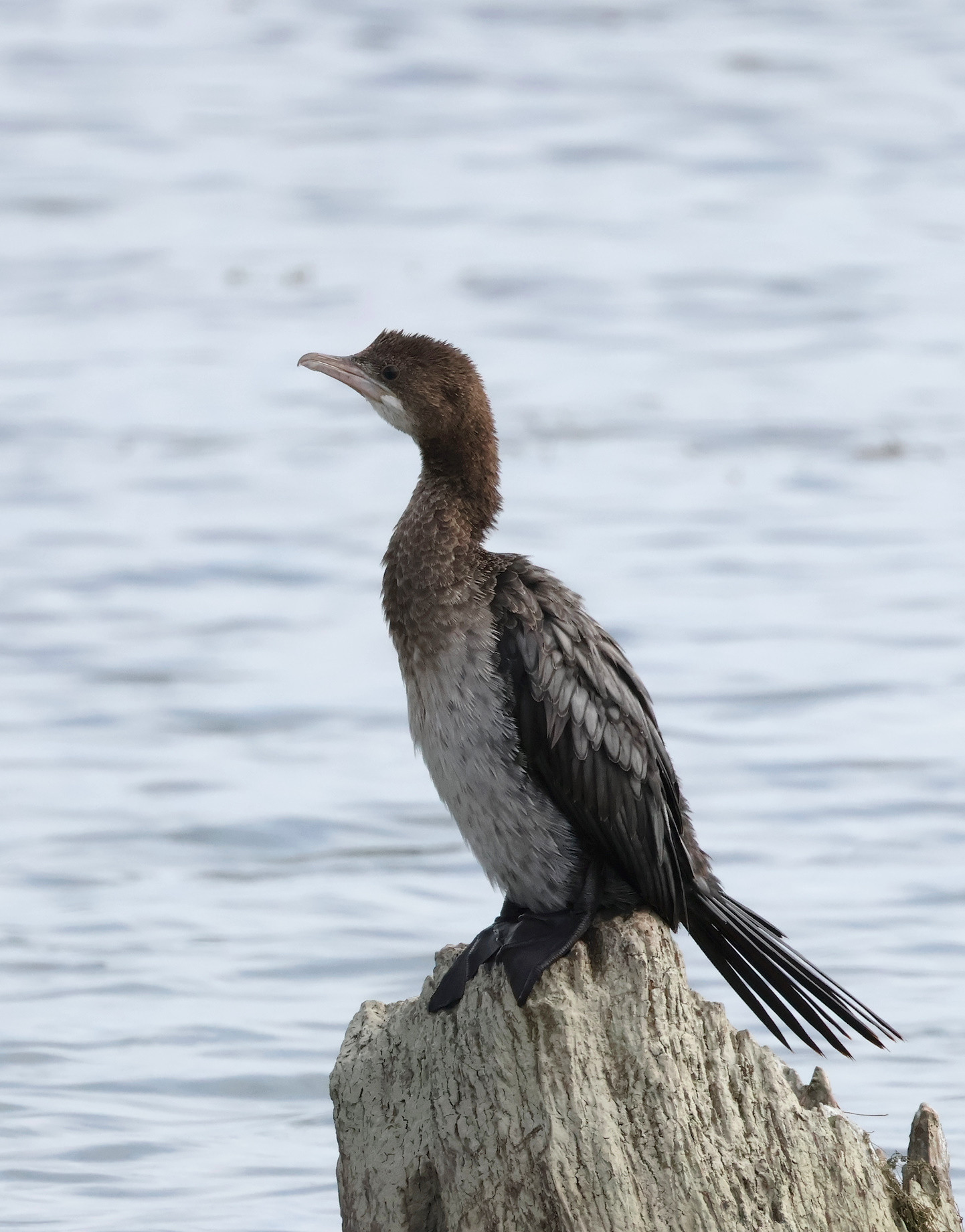
Descrizione
Dubovacki Rit Reserve lies between the village of Dubovac and the river Danube, is about a mile long and consists of open water, reedbeds and willow and poplar riparian forest, with adjoining junipers on grassy sand dunes. Surrounding Danube shallows are a significant wintering area for waterbirds.
Once you reach the wetland, checking the western/upriver section is more rewarding in winter, while going east/downriver is more productive in spring. In winter you may look for Aquila anatraia maggiore, Oca granaiola della taiga, Oca lombardella, Oca selvatica, Volpoca, Pesciaiola, Smergo maggiore, Moretta tabaccata, Strolaga mezzana, Marangone minore, Gabbiano reale pontico, Cesena, Tordo sassello, Tordela.
From March onwards for Marzaiola, Cicogna nera, Cicogna bianca and Nitticora. From April for Airone rosso, Tarabusino, Poiana codabianca and three marsh terns ( Mignattino comune, Mignattino piombato, Mignattino alibianche ). Porciglione and Voltolino were also recorded here, as well as Avocetta, Piovanello pancianera and Gambecchio comune. Tortora selvatica, Gruccione, Averla piccola, Upupa and Topino (about 5,000 pairs downriver from Dubovac) breed here and are conspicuous in spring.
A strong easterly wind is common in the area, which can make birding challenging.
Photos by Slobodan Puzovic, Mileta Cekovic and Dragan Simic.
Dettagli
Accesso
Access is from the village of Dubovac, 70 km / 80 min east of Belgrade. See the map and click on the "P" for the turn-off directions.
The western section is more disturbed by development, although the levee up the Danube is well worth checking, especially in winter. To reach the western section, turn right at the cross junction (coming from the direction of the town of Kovin, route marked on the map).
The eastern section has a more natural feeling and preserved habitats. For the eastern section, follow the second dirt track right, after the Dubovac village.
Technically, you can park wherever and explore further on foot. There's not much shade, so wear a hat and take water with you.
Terreno e habitat
Foresta , Zona umida , Velme , Canneti , Fiume , Prateria/pascolo , Alberi e cespugli sparsiCaratteristiche dell’area
Paesaggio aperto , PolverosoPercorso ad anello
NoÈ utile un cannocchiale?
Può essere utileBuona stagione per il BW
Tutto l'annoMiglior periodo per visitare
Inverno , Migrazione primaverile , Migrazione autunnalePercorso
Strada sterrataGrado di difficoltà del percorso a piedi
Difficoltà mediaModalità di accesso
A piedi , MacchinaCapanno/torretta di osservazione
NoInformazioni aggiuntive
A spotting scope is necessary in winter, but not in warmer months when binoculars are sufficient.


 ) per inserire i nomi delle specie nella tua lingua. I nomi delle specie verranno automaticamente tradotti per gli altri utenti!