Descrizione
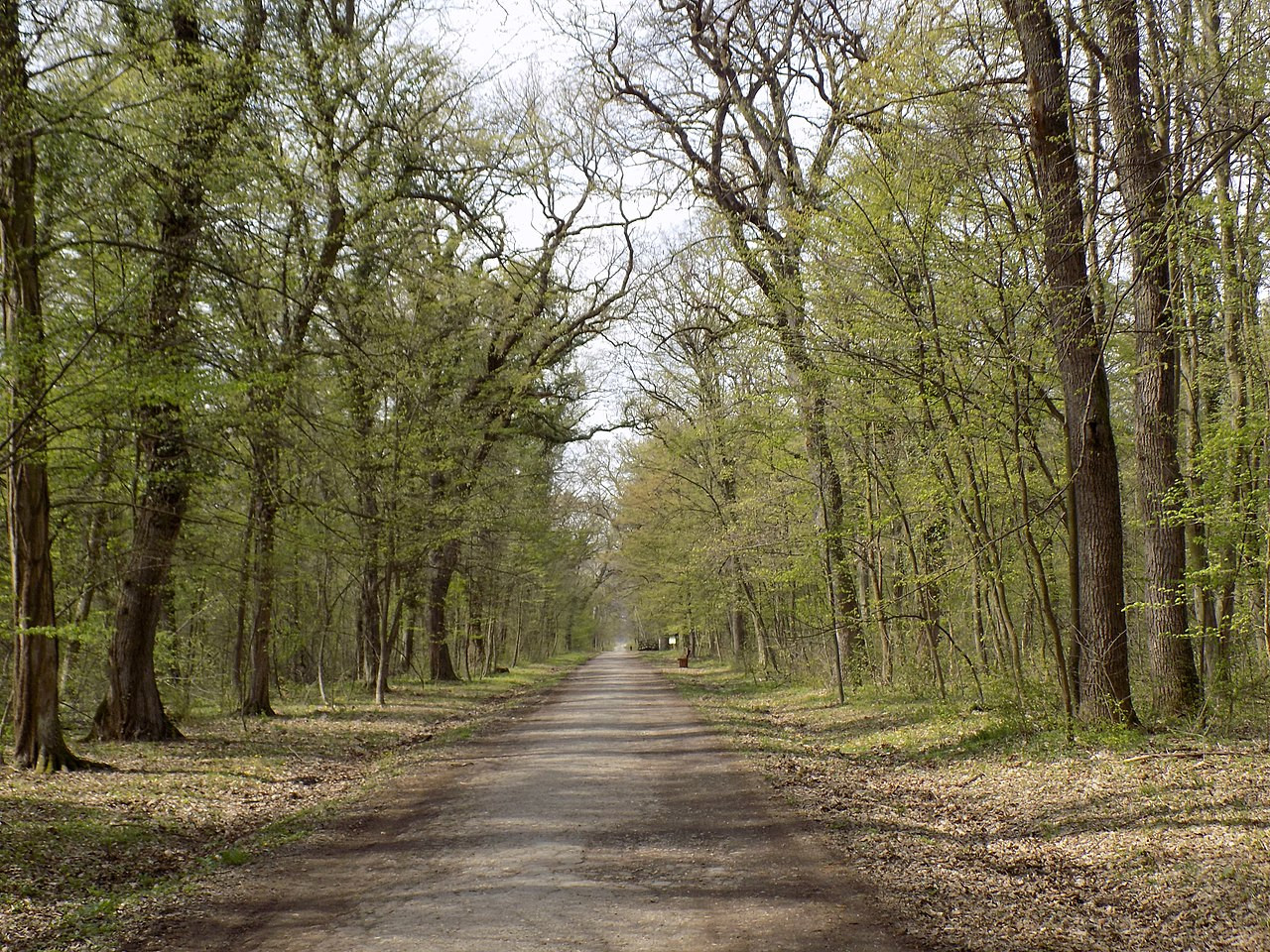
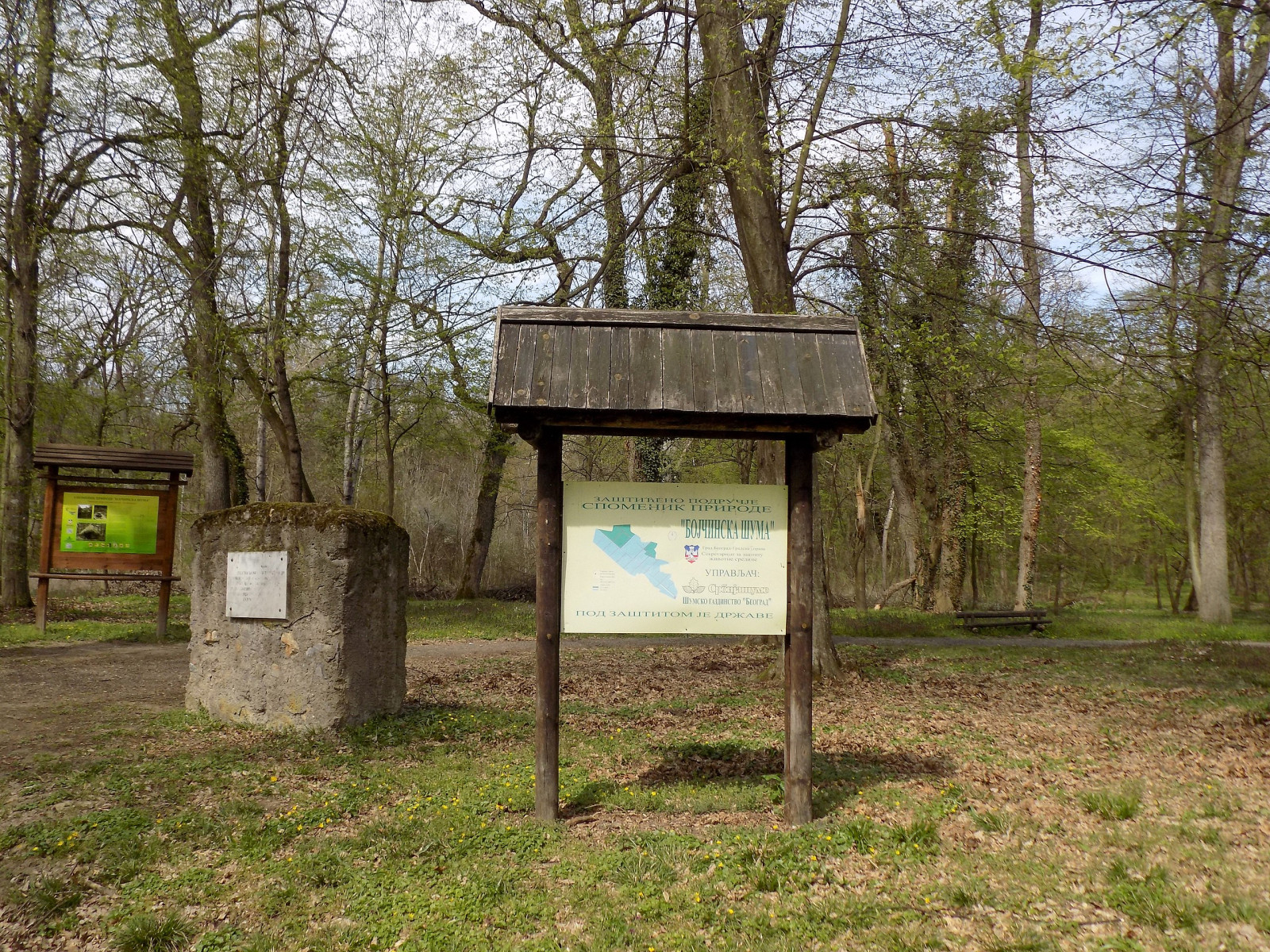
Once upon a time, vast forests of English oak blanketed the Sava River floodplain, all the way from Croatia down to the river’s confluence in Belgrade. Gazetted as the “nature monument” in 2013, one of the few remaining – Bojčinska Forest by the village of Progar covers 670 ha / 1650 ac, and has 108 recorded bird species and 60 species of mammals (1/3 of them are bats). In addition to oak, the forest is rich in hornbeam and narrow-leaved ash.
Common species include Frosone, Codirosso, Verdone, Tordo bottaccio, Usignolo, Capinera, and Eurasian Rigogolo, followed by frequent Cincia bigia , and Balia dal collare. Picchio rosso mezzano is particularly common in this habitat, together with Picchio nero as well as Picchio verde.
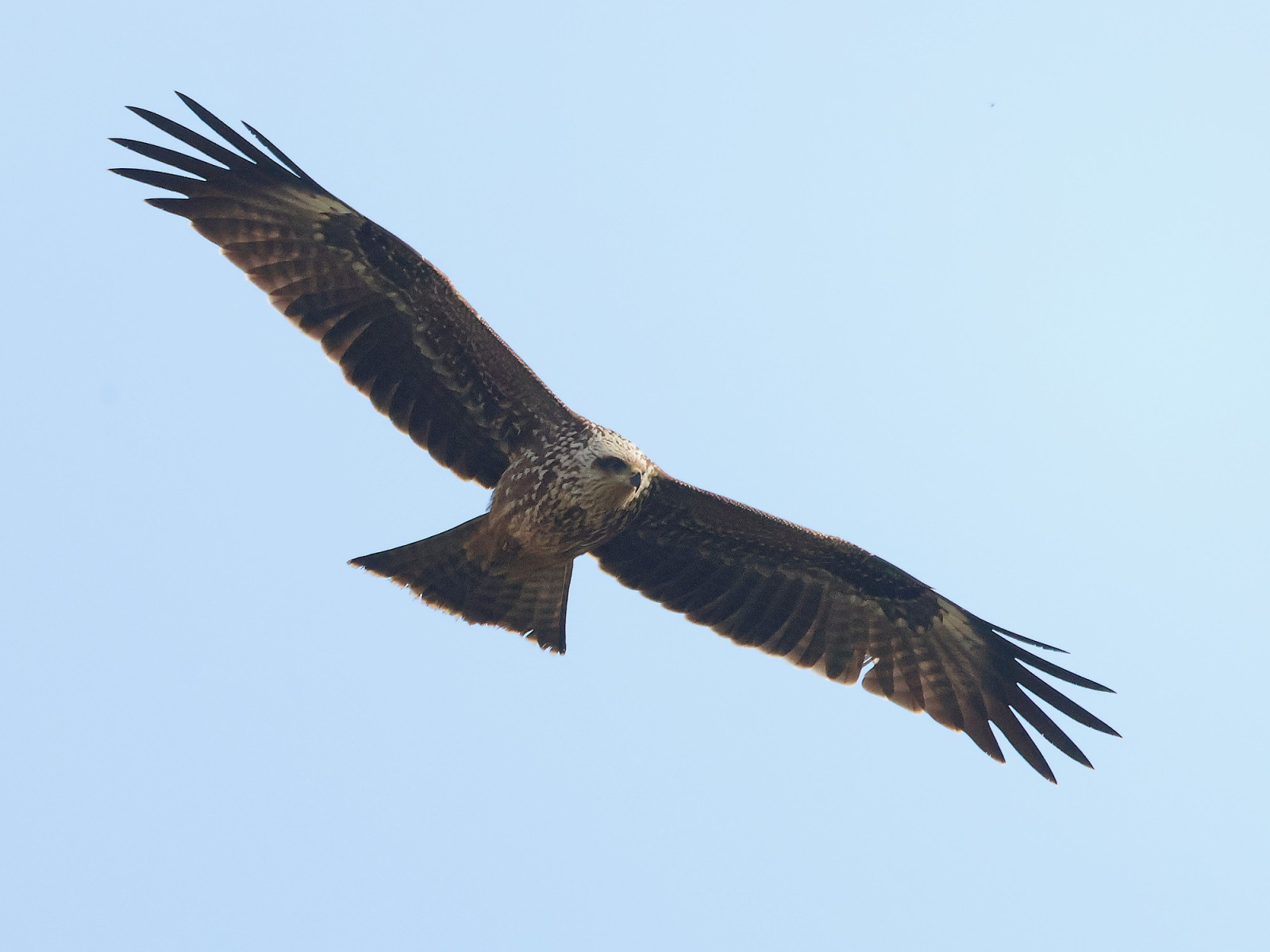
The forest edge and surrounding fields hold Cicogna bianca, Western Falco di palude, Cutrettola, Stiaccino and Saltimpalo. From their bush-top positions, Strillozzo sing, while Allodola perform their song-flights. Close to mid-day, thermals start to rise, attracting Aquila di mare, Nibbio bruno and, in winter, Nibbio reale too.
Photos by Milica Buha / Wikimedia Commons and Surčin Municipality.
Dettagli
Accesso
Zoom in on the map and click on the "P" (parking) sign for driving directions. Bojčinska Forest can also be reached by public bus 605, which departs from Ledine.
The circular trail marked at the map is 6.3 km long. It could be muddy in some parts, but it is also possible to shorten it to the western or the eastern half only.
Terreno e habitat
ForestaCaratteristiche dell’area
Terreno piano , ScivolosoPercorso ad anello
SiÈ utile un cannocchiale?
NoBuona stagione per il BW
Tutto l'annoMiglior periodo per visitare
Inverno , PrimaveraPercorso
Strada asfaltata , Strada sterrata , Sentiero ampioGrado di difficoltà del percorso a piedi
Difficoltà mediaModalità di accesso
A piediCapanno/torretta di osservazione
NoInformazioni aggiuntive
King Alexander I of Yugoslavia was known for his hunting forays into this forest, only months prior to his assassination during a 1934 state visit to France. During WWII, the forest was used as a base of the local Partisan squad (the communist resistance), hiding in subterranean shelters. Fleeing from Nazis, local villagers were hiding there as well. Some of those shelters are still around.
After birding, you can have refreshments or breakfast at the Bojčinska Koleba restaurant, on the left hand side of the entrance road. If you want to stay longer, there are wooden cabins for rent.


 ) per inserire i nomi delle specie nella tua lingua. I nomi delle specie verranno automaticamente tradotti per gli altri utenti!