Descrizione
With more than 900,000 hectares, Niokolo-Koba, which shares its name with a river flowing across parts of the park into Gambia River, is Senegals largest national park. In 1981, Unesco recognized the national park as a World Nature Heritage. It counts 329 bird species, as well as many mammals and other wildlife species. Animal protection remains a challenge, which has led to a substantial decline of mammals in the park, whereas its bird population still remains diverse and strong.
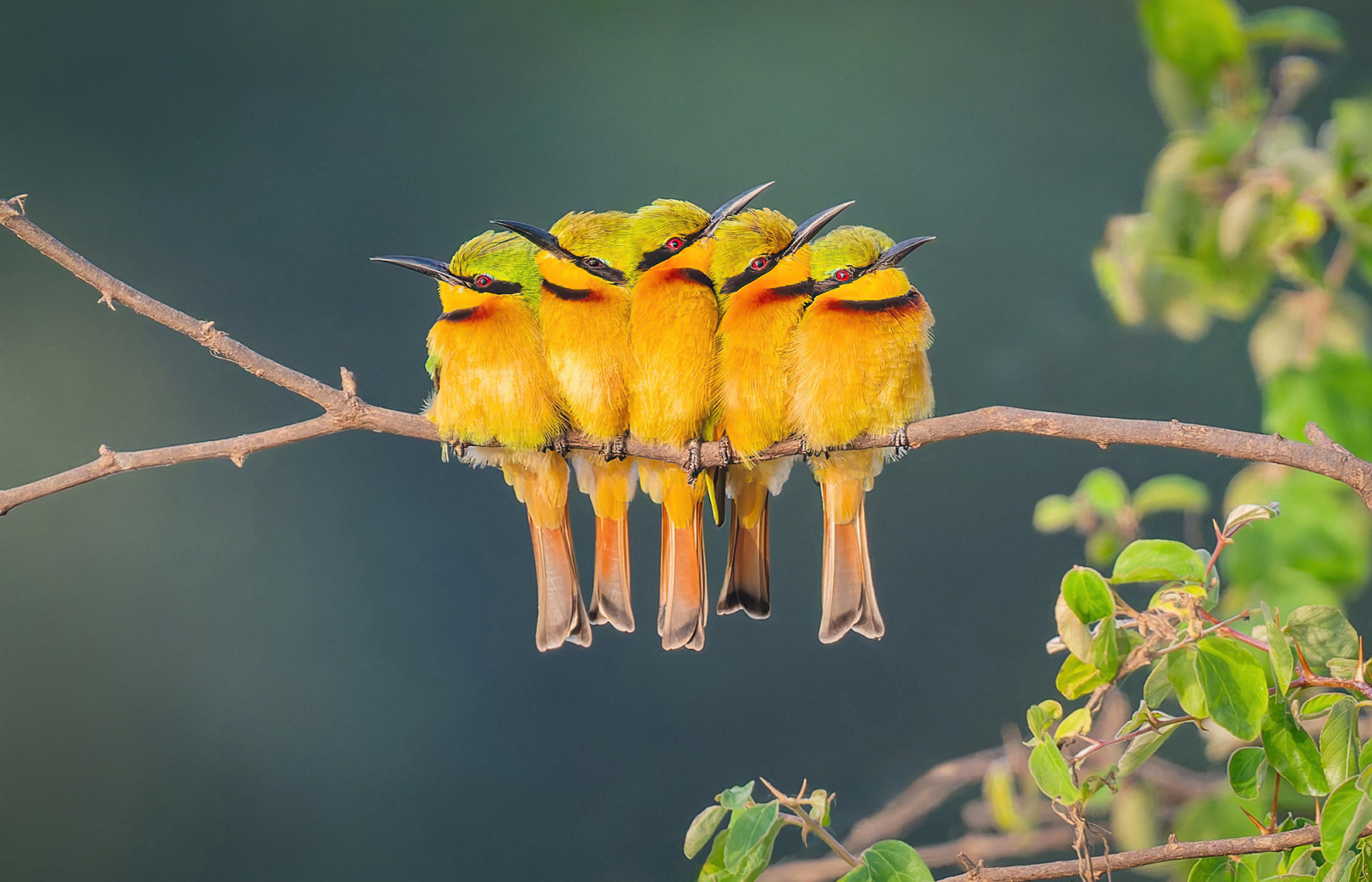
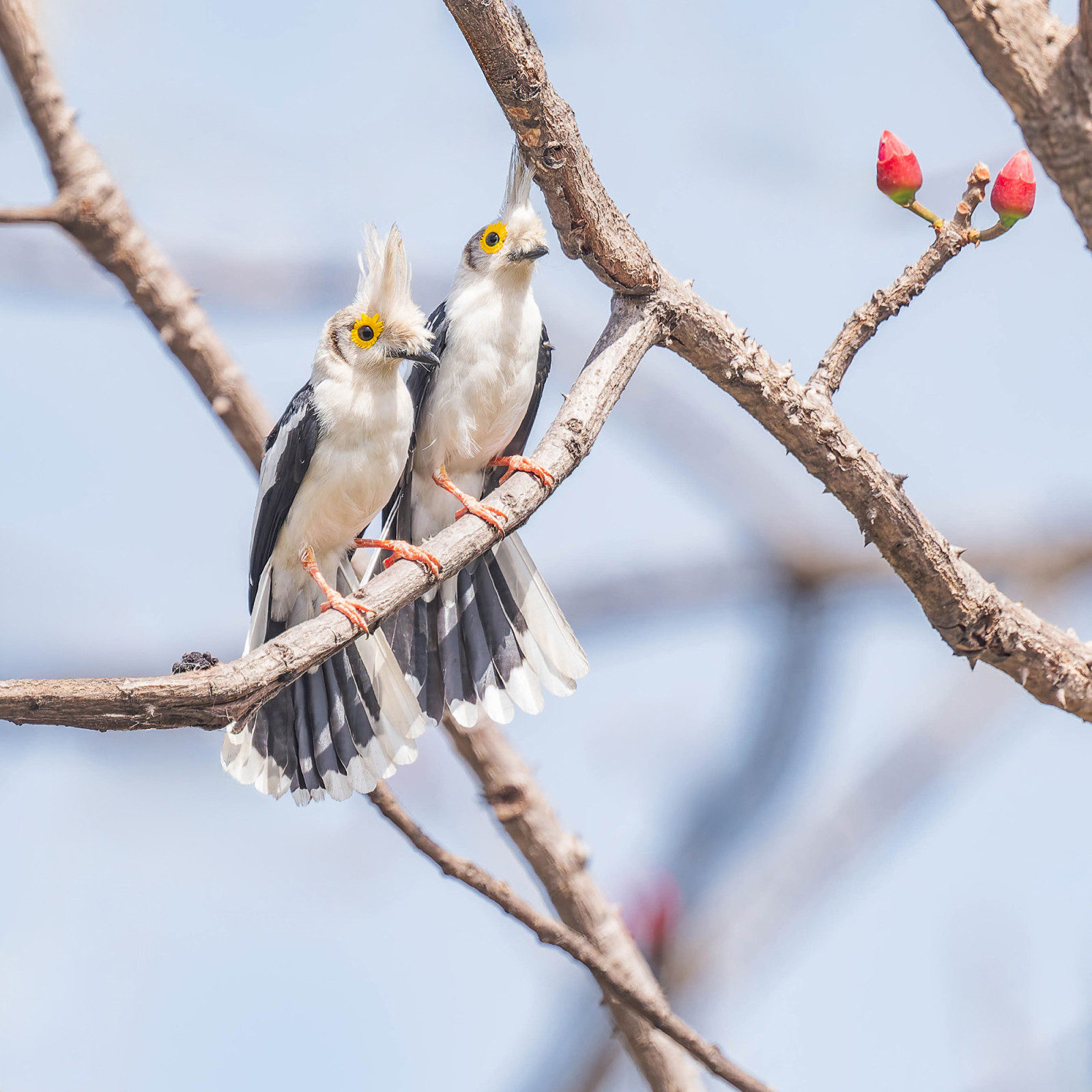
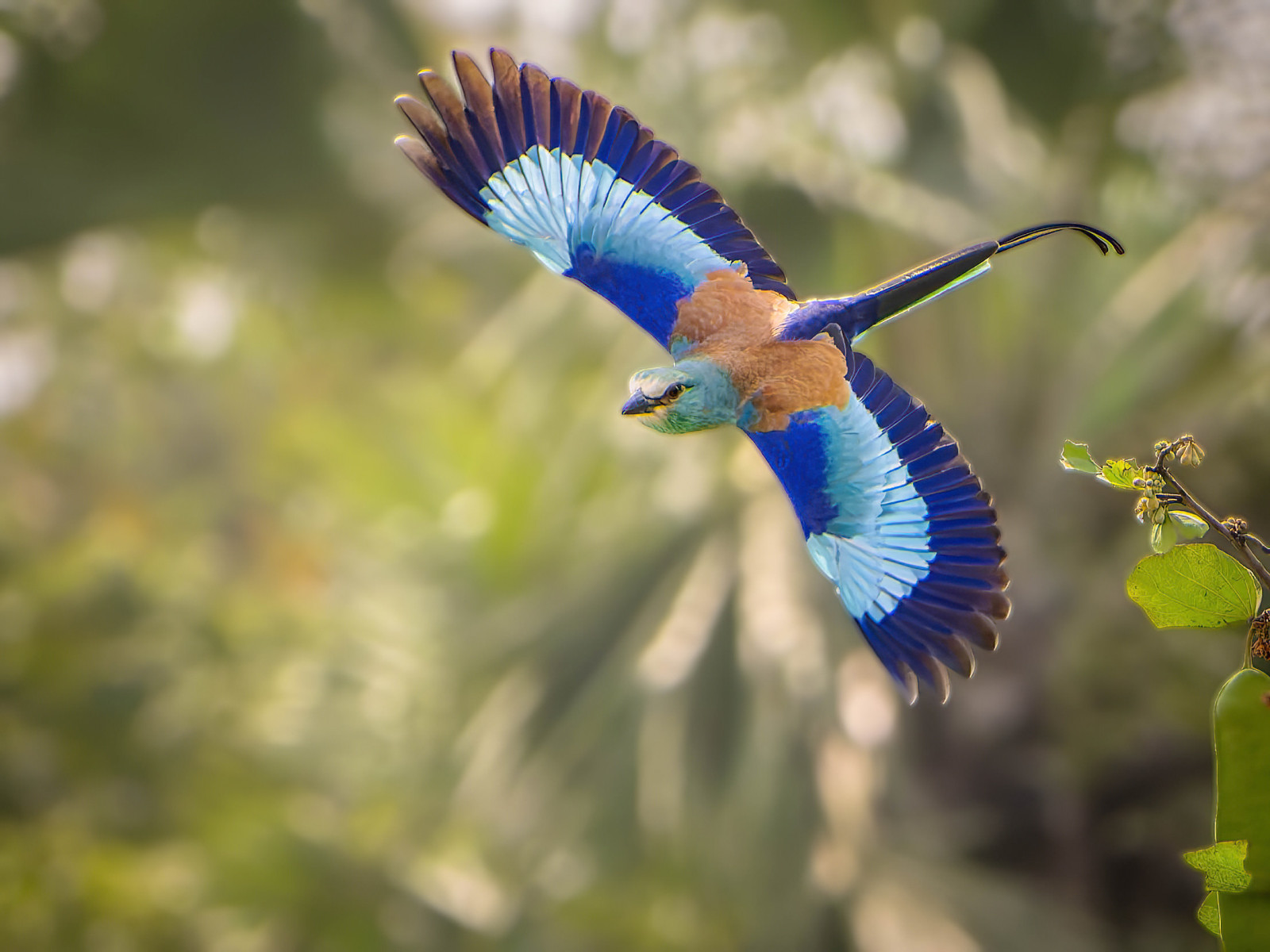
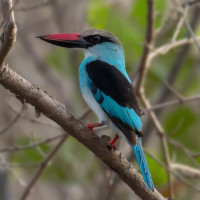
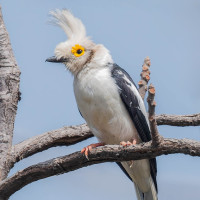
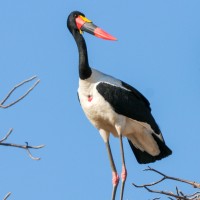
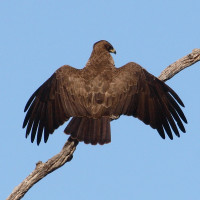
The park can be explored by safari vehicle, as well as by boat on Gambia and Niokolo-Koba rivers. Bird species you might encounter here include African Fish-eagle, Saddle-billed Stork, Secretarybird, Blue-breasted Kingfisher, Red-throated Bee-eater, Abyssinian Roller, Senegal Thick-knee, and White-crested Helmetshrike.
Dettagli
Accesso
Niokolo‑Koba National Park lies in the far southeast of Senegal, in the Tambacounda Region, close to the border with Guinea. Much of the park’s area is almost inaccessible, as there are neither roads nor trails. However, the northern area between Senegal’s National Route N7, the Gambia River and the Niokolo-Koba River, with an official park entrance at Nioufaye, offers a number of bumpy dirt roads that demand 4x4 vehicles, as well as a few accommodations within the park. You can get very close to plenty of birds and other wildlife in that area.
However, getting to the park is a bit cumbersome, as there are next to no flights to Tambacounda, the closest large city. It is possible to charter a bushplane to land at the Niokolo-Koba airstrip or at Simenti, a little further south. Most visitors arrive at Niokolo-Koba NP by car from The Gambia, with its many great birding locations. In that case, it is best to cross the border between The Gambia and Senegal at Sabi, driving south to Velingara, then taking N6 northeast to Tambacounda and turning south onto N7 there. From Sabi, that is a 4-hour drive or so. Driving all the way from The Gambias capital of Banjul takes about 8-9 hours, about the same time it takes to get there from Senegal’s capital of Dakar. These roads are mostly surfaced and in good condition, so any vehicle will do.
To get into the park, you need to be accompanied by a licensed Senegalese guide, even if you already have a Gambian guide accompanying you on a longer birding trip.
 ) per inserire i nomi delle specie nella tua lingua. I nomi delle specie verranno automaticamente tradotti per gli altri utenti!