


Descrizione
Wysokie Hill is easy-to-see, it is the highest point in the area. Barren at the top, covered mostly by meadows from SW and NE, by larch forest culture from SE and mixed shrubbery with trees from NW.
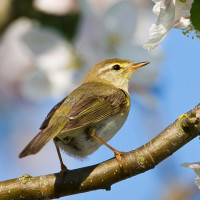
The meadows are nesting places of Allodola and Zigolo giallo. Larch forest edges have great concentrations of singing Luì grosso and Prispolone. Shrubbery from NW is home to Tortora selvatica, Bigia padovana, Sterpazzola, Bigiarella and Passera scopaiola. Sometimes the area gets visited by Picchio dorsobianco.
Many birds of prey can be seen regularly hunting in areas below: Aquila anatraia minore, Falco di palude, Albanella minore, Sparviere, Poiana, Gheppio and during winter also Albanella reale and Poiana calzata.
There is a chance to see some other species during migration, i.e.: Falco pecchiaiolo, Falco cuculo and Falco pellegrino.
Other common species: Cuculo, Cicogna bianca, Picchio rosso maggiore, Averla piccola, Averla maggiore, Ghiandaia, Corvo imperiale, Cincia mora, Cincia bigia, Cincia alpestre , Forapaglie macchiettato, Rondine, Codibugnolo, Capinera, Regolo, Rampichino alpestre, Cesena, Stiaccino, Saltimpalo, Frosone, Fanello, Cardellino.
Dettagli
Accesso
Accessible from Nowosielce and Pielnia villages - by foot/bike/car/etc. Public transport to these villages limited to buses from Sanok or Krosno. Best to explore by foot, eventually by bike or 4x4 vehicle (not advised and may be problematic). Best to leave larger vehicles somewhere in a village and enjoy the trail by-foot. Field roads are rather dry and don't require rain boots.
Terreno e habitat
Alberi e cespugli sparsi , Foresta , Prateria/pascolo , Altopiano , Valle , Pianura , Terreni coltivatiCaratteristiche dell’area
Collinoso , Asciutto , Paesaggio aperto , PolverosoPercorso ad anello
SiÈ utile un cannocchiale?
Può essere utileBuona stagione per il BW
Tutto l'annoMiglior periodo per visitare
Migrazione primaverile , Migrazione autunnale , Estate , PrimaveraPercorso
Strada sterrata , Sentiero ampio , Sentiero strettoGrado di difficoltà del percorso a piedi
Difficoltà mediaModalità di accesso
A piedi , BiciclettaCapanno/torretta di osservazione
NoInformazioni aggiuntive
There aren't really any species here that'd require audio stimulation to show up. Please, avoid doing so. Different birds of prey can be seen during different parts of the day (usually smaller species in the morning and afternoon, larger show up when air is warm enough to soar).
Hazards: ticks, deep snow (winter). Keep in mind presence of other people (hunters, off-road enthusiasts, deltatrike/plane enthusiasts, wanderers), especially during weekends it can get quite busy.



 ) per inserire i nomi delle specie nella tua lingua. I nomi delle specie verranno automaticamente tradotti per gli altri utenti!