Descrizione
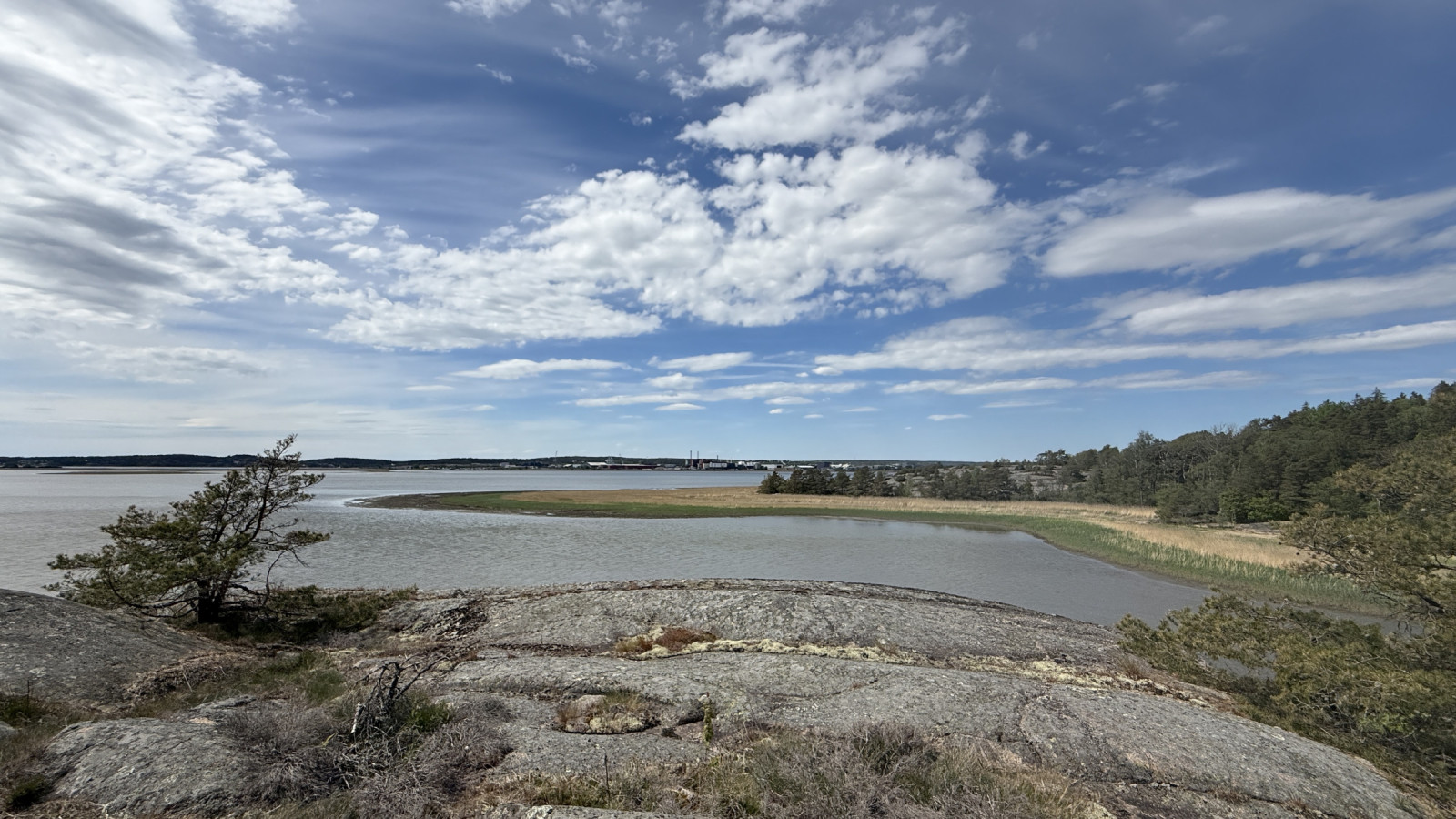
Øra Nature Reserve contains a mix of tidal mudflats, shallow lagoons, sandbanks, reedbeds, and coastal meadows. Industrial activity over time has reduced the extent and quality of the wetland and altered its natural structure. Still, the area remains one of Norway’s most important sites for waterbirds and is designated as an Important Bird Area (IBA). Primarily for its large and nationally significant population of Cormorano.
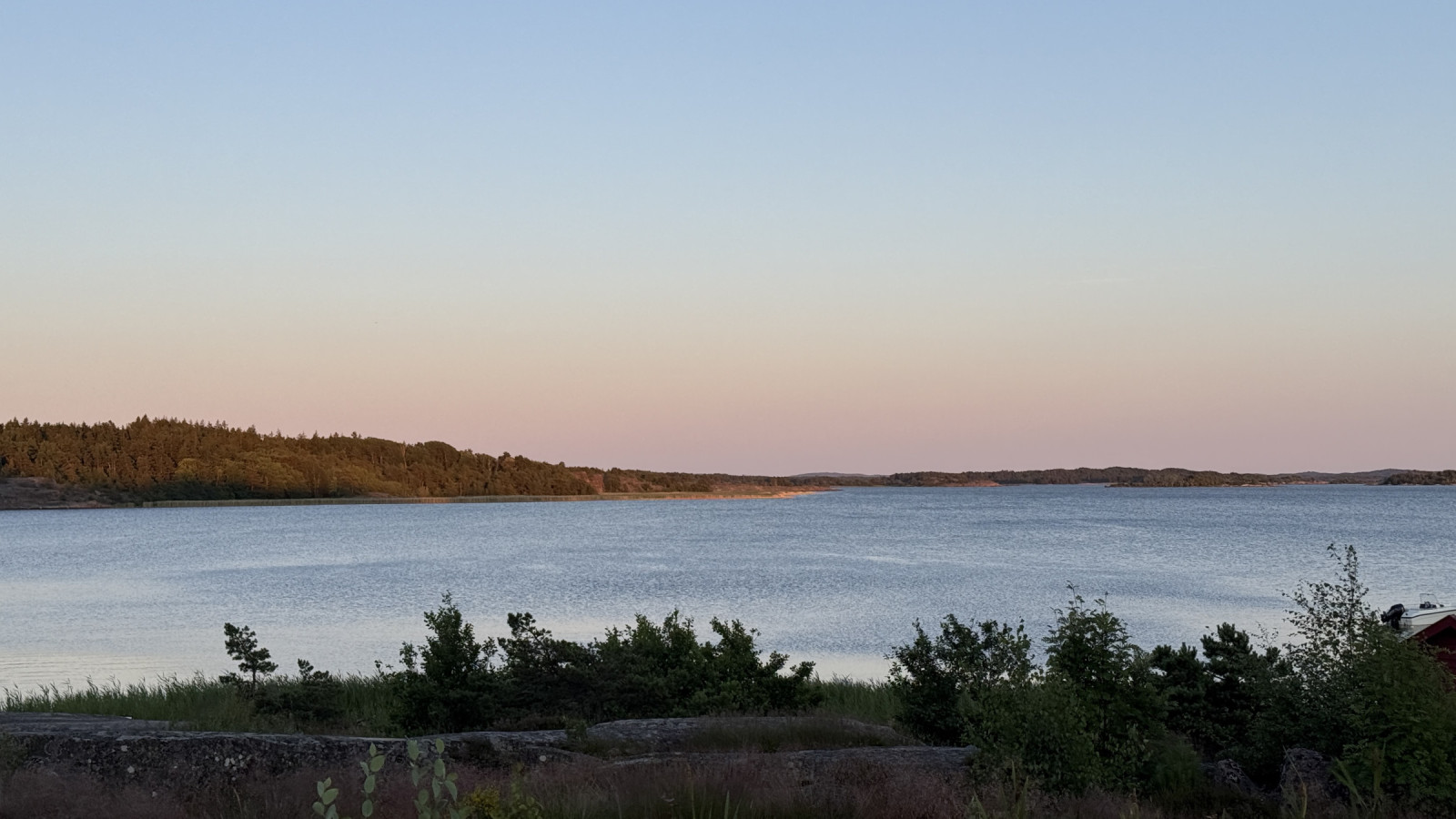
From the Øra bird tower and along the bay of Gansrødbukta, there are wide views of the tidal zone. The east side of the bay is bordered by dense mixed forest. The area offers good birding year-round.
A selection of common and rarer species seen from the bird tower include Falco di palude, Basettino, Pettegola, Combattente, Piovanello pancianera, Corriere piccolo, Corriere grosso, Fischione, Chiurlo maggiore, Gabbianello, Aquila di mare, Sterna codalunga, and Sterna maggiore. In the forest areas to the east you can find: Succiacapre, Beccaccia, Picchio nero, Luì verde, Picchio muratore, Codibugnolo, Picchio verde, Picchio rosso maggiore, Cuculo, Rondone comune, Rampichino alpestre, and Cincia mora.
Dettagli
Accesso
Øra Nature Reserve is located on the western side of Fredrikstad where the Glomma River meets the Oslofjord. Next to it you will find a large industrial area and the city’s waste disposal site.
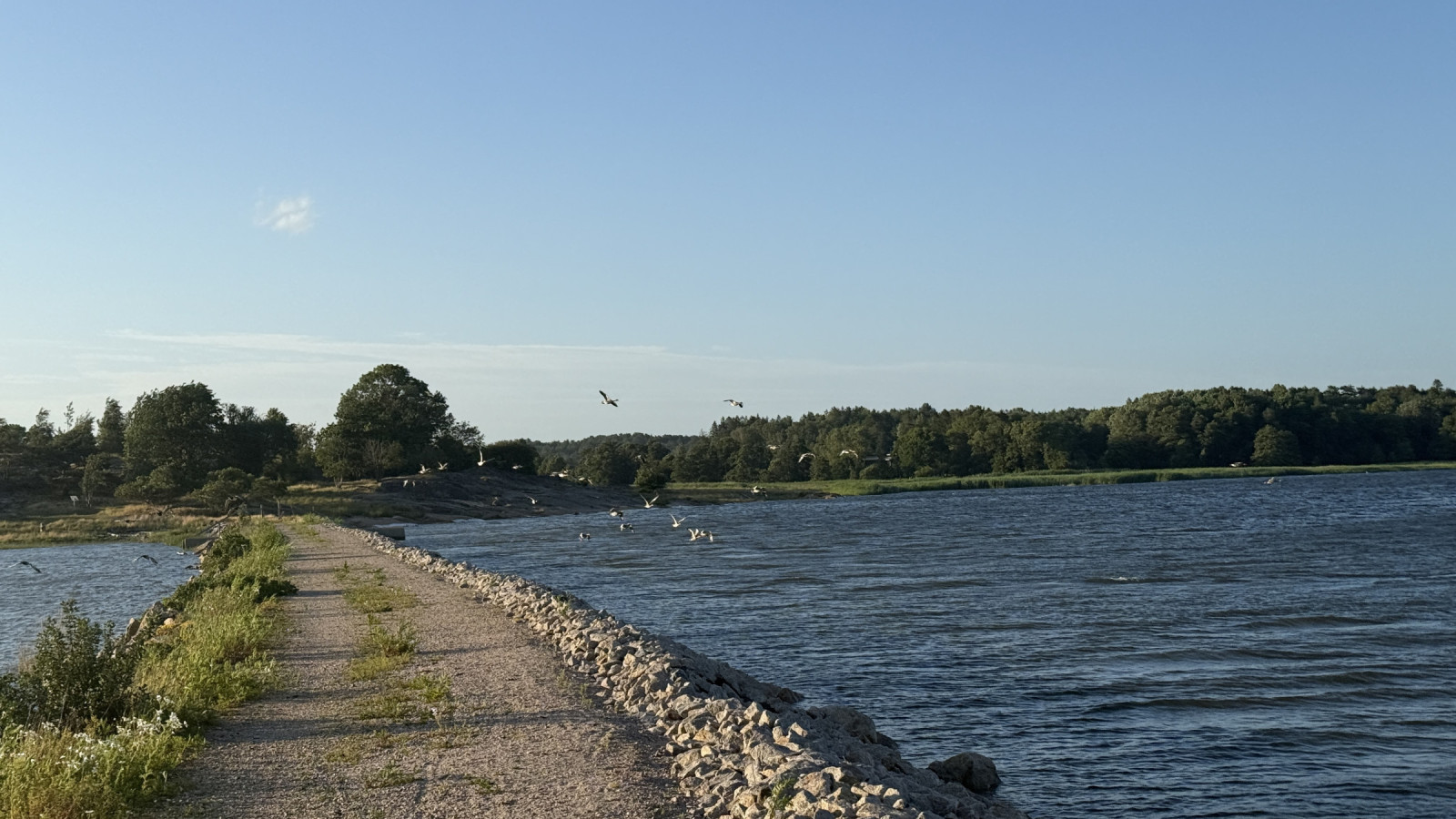
The Øra bird tower is only accessible by car for visitors who are registered on an access list (due to restrictions within the industrial area). However, it’s possible to explore the area on foot. There are multiple parking options near the bay, offering access to the walking path to the bird tower and other trails into the forested areas to the east of the bay. The forest includes both wide and narrow trails, many of which offer views of the mudflats and islands in the bay.
Public transport is limited; the closest bus stop is several kilometers away, so a car or bike is recommended.


 ) per inserire i nomi delle specie nella tua lingua. I nomi delle specie verranno automaticamente tradotti per gli altri utenti!