Descrizione
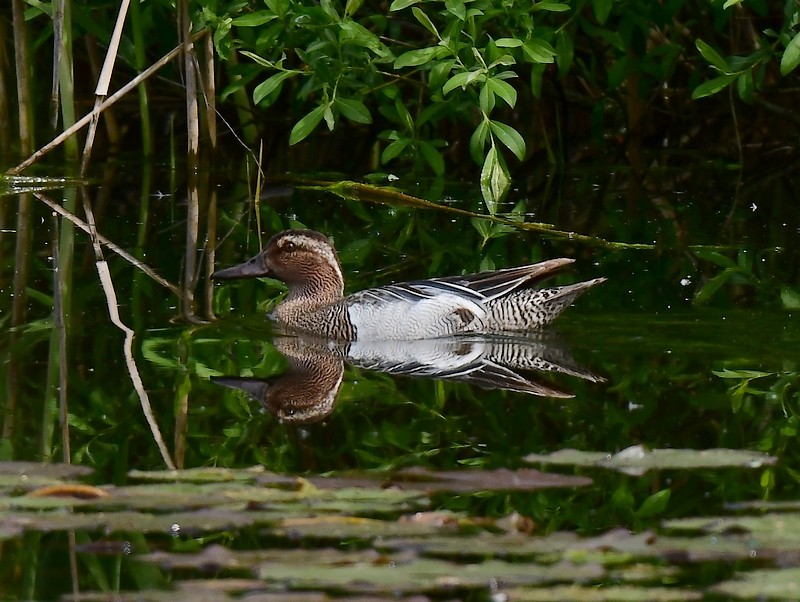
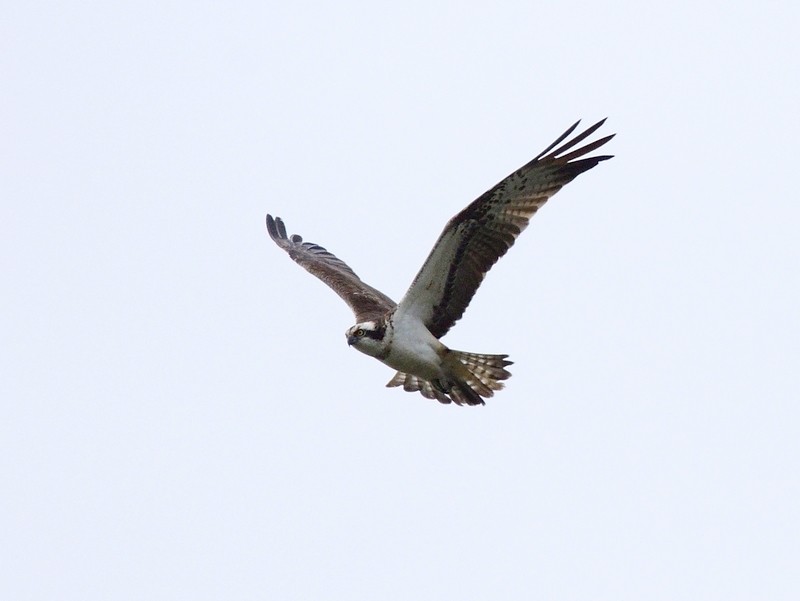
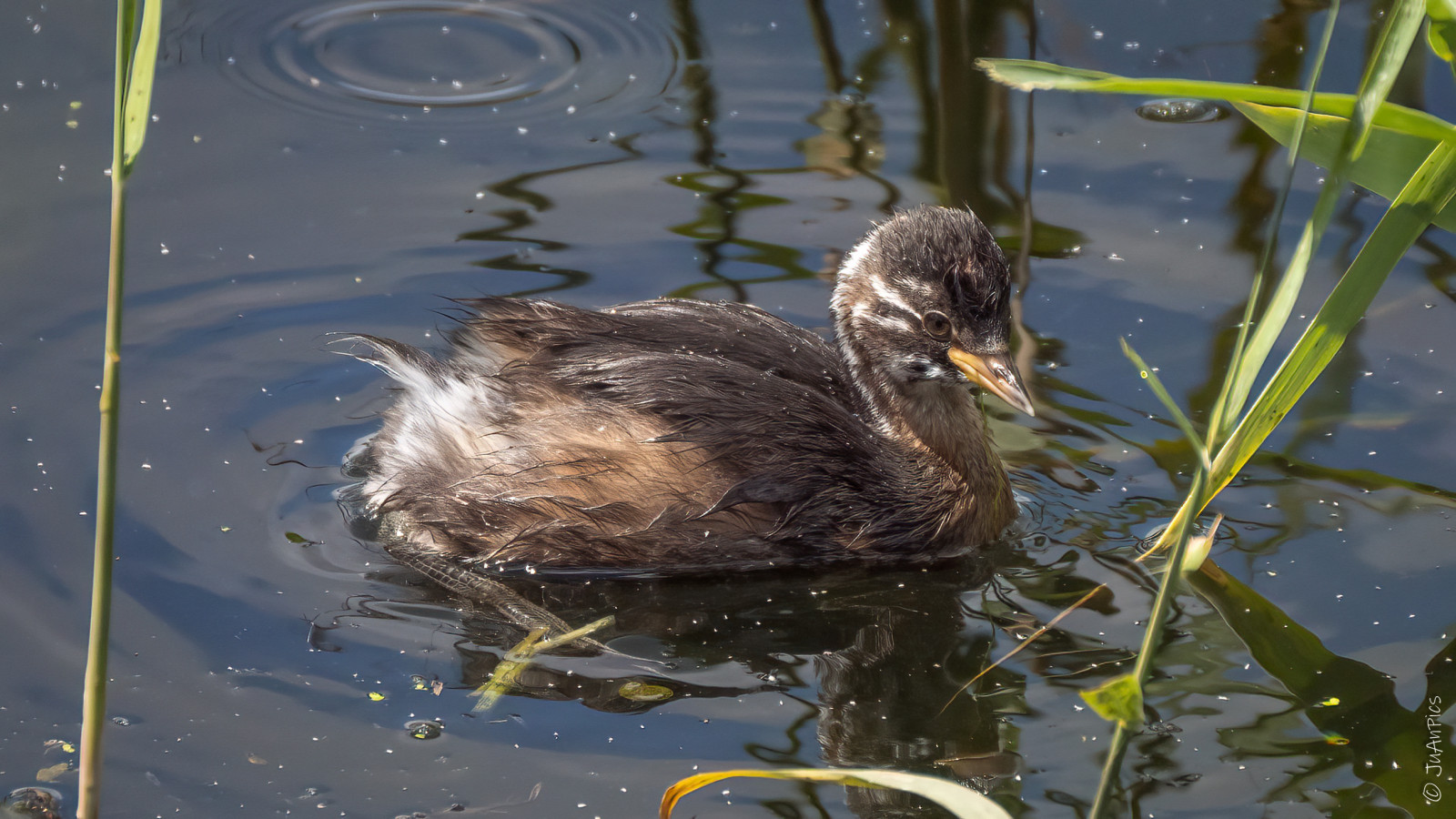
De Maaij en Pastoorsweijer: On the north side are some ponds hidden in the pine forest (Pastoorsweijer) and in the south are another twelve ponds (Liskes). It concerns former pools and cultivation ponds that are separated by beautiful dikes but are connected to each other. Large reed collars surround the water. In the middle of the Liskes is a functional viewing hut with a 360-degree view over a number of ponds. Common birds that can be seen in and around the Liskes are Migliarino di palude, Cannaiola, Martin pescatore, Marzaiola, Tarabusino, Airone bianco maggiore, Tarabuso, Falco pescatore and Falco di palude. In summer, when some ponds are partially dry, you have a high chance of waders like Pantana, Totano moro and Piro piro boschereccio.
De Wetering or Watering: In 1835, watercourses were dug from the Maas-Scheldt canal to improve the poor soils in the Kempen, such as the Spijsloop. This ran to an irrigation area called De Watering. The calcareous water of the river Maas provided a special flora and fauna. In this area Rigogolo is the bird that catches the attention.
_________________________
Nederlands: De Maaij en Pastoorsweijer: Aan de noordkant liggen enkele vijvers verscholen in het dennenbos (Pastoorsweijer) en in het zuiden nog eens twaalf vijvers (Liskes). Het gaat om voormalige poelen en kweekvijvers die van elkaar worden gescheiden door prachtige dijken maar met elkaar in verbinding staan. Grote rietkragen omringen het water. In het midden van de Liskes staat een functionele uitkijkhut met een 360 graden uitzicht over een aantal vijvers. Veel voorkomende vogels die in en rond de Liskes te zien zijn zijn Migliarino di palude, Cannaiola, Martin pescatore, Marzaiola, Tarabusino, Airone bianco maggiore, Tarabuso, Falco pescatore en Falco di palude. In de zomer, wanneer sommige vijvers gedeeltelijk droog staan, heb je grote kans op steltlopers zoals Pantana, Totano moro en Piro piro boschereccio.
De Wetering of Watering: In 1835 werden uit het Maas-Scheldekanaal waterlopen gegraven om de arme bodems in de Kempen te verbeteren, zoals de Spijsloop. Deze liep naar een irrigatiegebied genaamd De Watering. Het kalkrijke water van de Maas zorgde voor een bijzondere flora en fauna. In dit gebied is Rigogolo de vogel die de aandacht trekt.
Dettagli
Accesso
Parking at Burgemeester Aartslaan, Bergeijk (see the P on the map). From there you can explore the area on foot. The route that is shown on the map is 9,3 km. But it's easy to make short-cuts and only walk 3 or 4 km in the central part if you are short in time.
_________________________
Nederlands: Parkeren aan de Burgemeester Aartslaan, Bergeijk (zie de P op de kaart). Van daaruit kun je de omgeving te voet verkennen. De route die op de kaart wordt getoond is 9,3 km. Maar het is gemakkelijk om kortere wandelingen te maken en in het centrale deel slechts 3 of 4 km te lopen als je weinig tijd hebt.


 ) per inserire i nomi delle specie nella tua lingua. I nomi delle specie verranno automaticamente tradotti per gli altri utenti!