Descrizione
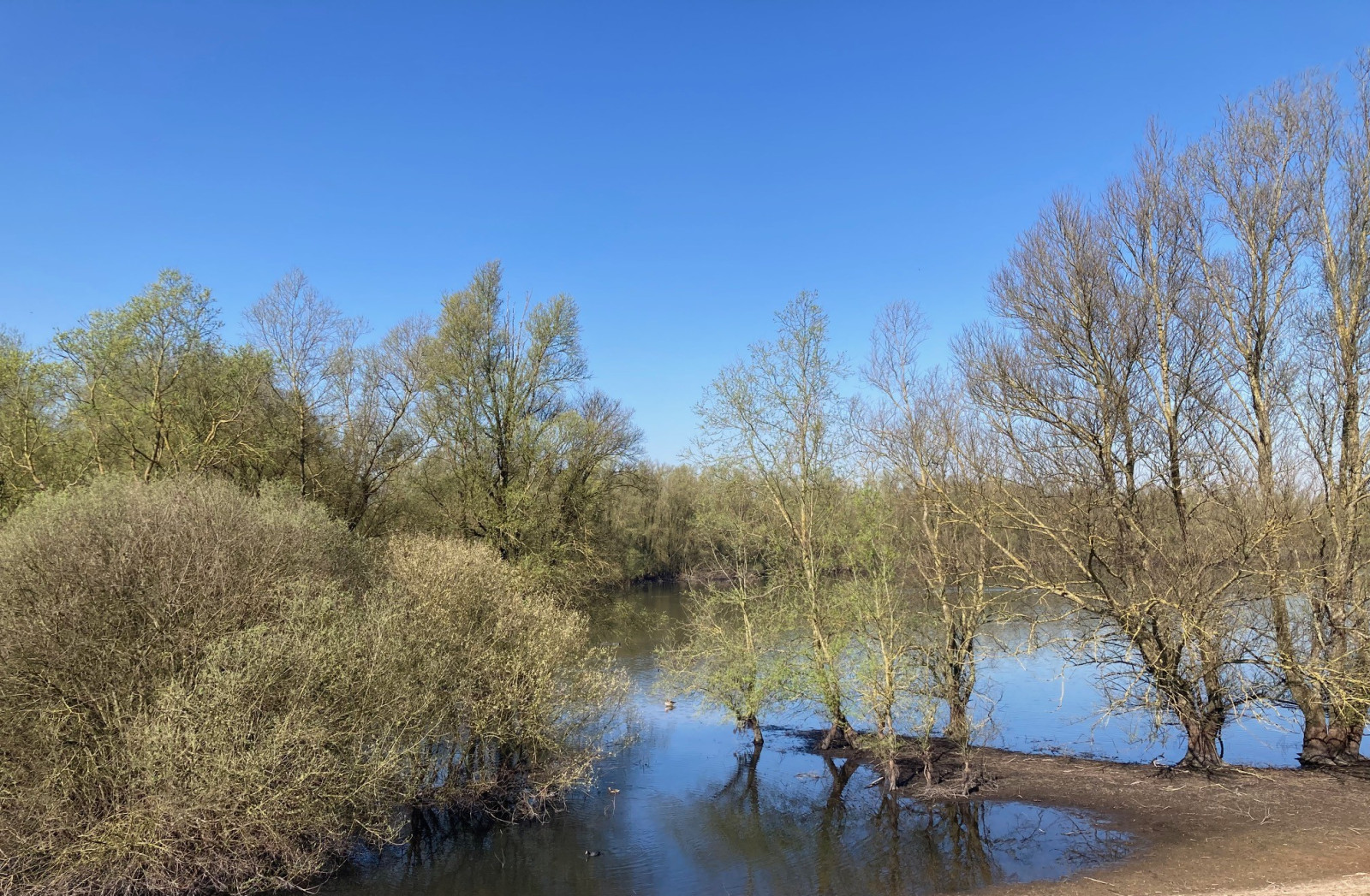
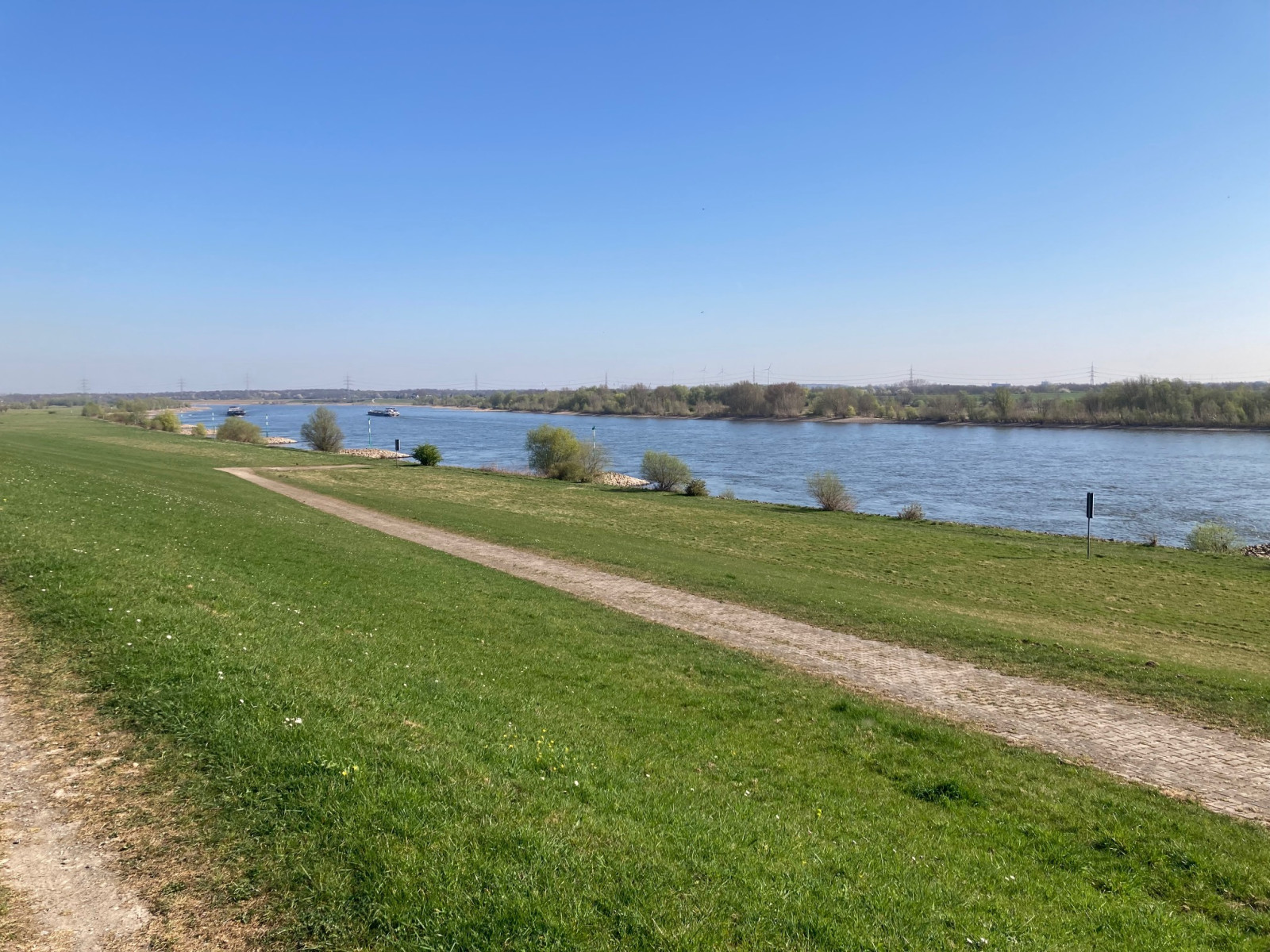
Naturschutzgebiet Hasenfeld and Rheinvorland is located between Eversael and Ossenberg. At the beginning you cross open cultural landscapes and meadows, where species such as Poiana or in winter Oca lombardella are at home. Then you climb the dike and get an overview of the partially flooded meadows, and you immediately notice the singing Allodola. In winter it is teeming with Oca lombardella and Oca granaiola della taiga.
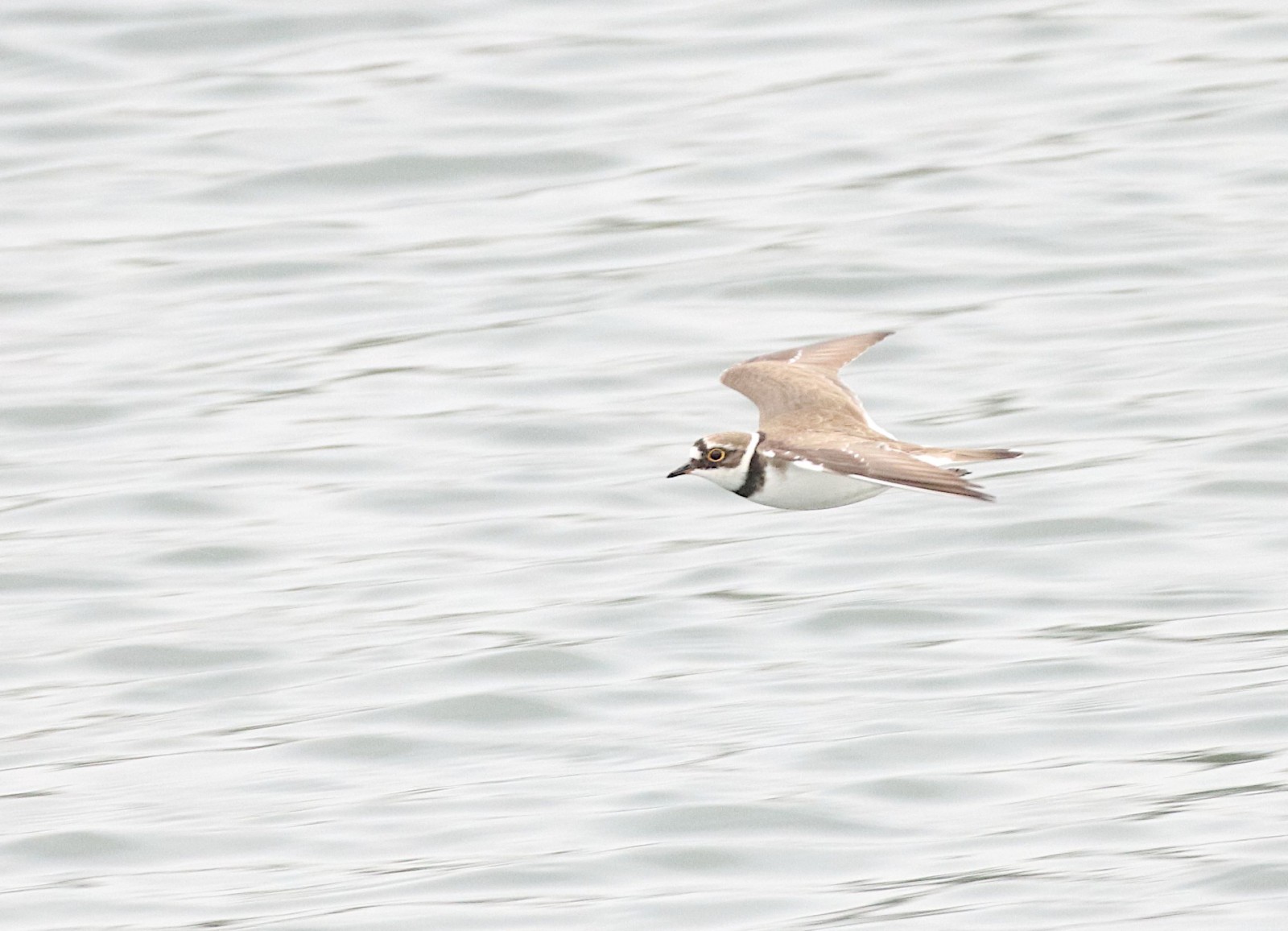
Then you come to the first lake, the water level of which is determined exclusively by precipitation. The migration time is definitely the most productive time here. Then you can, among other things see Corriere piccolo, Pantana as well as Falco pescatore. In winter there are species like Pesciaiola, Moriglione or Smergo maggiore.
The path continues through a landscape of wet meadow and floodplain, which is the busiest in summer, for example here you will find Allodola, Pispola, Cutrettola as well as Fagiano comune. Large swarms of Fischione also stay here at migration time. Then you reach the flood lakes, here you can find species like Airone bianco maggiore, Beccaccino, Pettegola and Pittima reale.
On the other side of the dike begins a landscape of open space, isolated trees and bushes. Directly on the dike is a colony of Airone cenerino, further inland you can find species such as Averla piccola, Sterpazzola, Zigolo giallo and Piro piro culbianco. The way back leads through fields and meadows, which are not so productive in summer, but in winter you can find Oca granaiola della tundra here. Alternatively, you can of course walk back along the dike.
Dettagli
Accesso
The area can either be reached via the A42 or A57, or alternatively with the Rhine ferry Orsoy via Rheinberger Straße. The parking lot is on the street "Drießen" under the first lake, opposite a bus stop. The area is best explored on foot or by bike, although it is also possible to travel by car, but you will not be able to reach a few points. The circular route as shown on the map is about 11 km long.
Terreno e habitat
Foresta , Zona umida , Velme , Prateria/pascolo , Alberi e cespugli sparsi , Terreni coltivatiCaratteristiche dell’area
Terreno piano , Paesaggio aperto , Acqua alta possibilePercorso ad anello
SiÈ utile un cannocchiale?
Può essere utileBuona stagione per il BW
Tutto l'annoMiglior periodo per visitare
Estate , Migrazione primaverile , Migrazione autunnalePercorso
Sentiero ampio , Strada asfaltataGrado di difficoltà del percorso a piedi
FacileModalità di accesso
A piedi , Bicicletta , MacchinaCapanno/torretta di osservazione
NoInformazioni aggiuntive
Rare species that have been seen in the area are Fenicottero, Averla capirossa, Ibis sacro, Spatola and Avocetta.


 ) per inserire i nomi delle specie nella tua lingua. I nomi delle specie verranno automaticamente tradotti per gli altri utenti!