Descrizione
Mooswald and Mooswaldseen consist of the old (eastern) and the new (western) lake Mooswaldsee, a few other quarry lakes, a birch forest, reed areas and it borders directly on the meadow areas of the Leipheimer Moos (also described on Birdingplaces). Many exciting bird species live here in a very small area. In the forest you can regularly observe 7 native species of woodpeckers (Picchio rosso maggiore, Picchio rosso mezzano, Picchio rosso minore, Picchio verde, Picchio cenerino, Picchio nero, Torcicollo), plus lots of songbirds like Rigogolo and Balia dal collare, but also larger birds like Corvo imperiale and Cuculo.
A Gabbiano comune colony is located at the old Mooswaldsee, but bigger gulls like Gabbiano reale are also usually there. You can easily observe them from a small observation hide. In addition, an escaped Chilean flamingo has been seen here again and again for several years. At the new Mooswaldsee there is an observation tower with a free telescope attached, through which you can observe various species of ducks and geese. Waders like Corriere piccolo, Combattente and Piro piro culbianco are also not uncommon there.
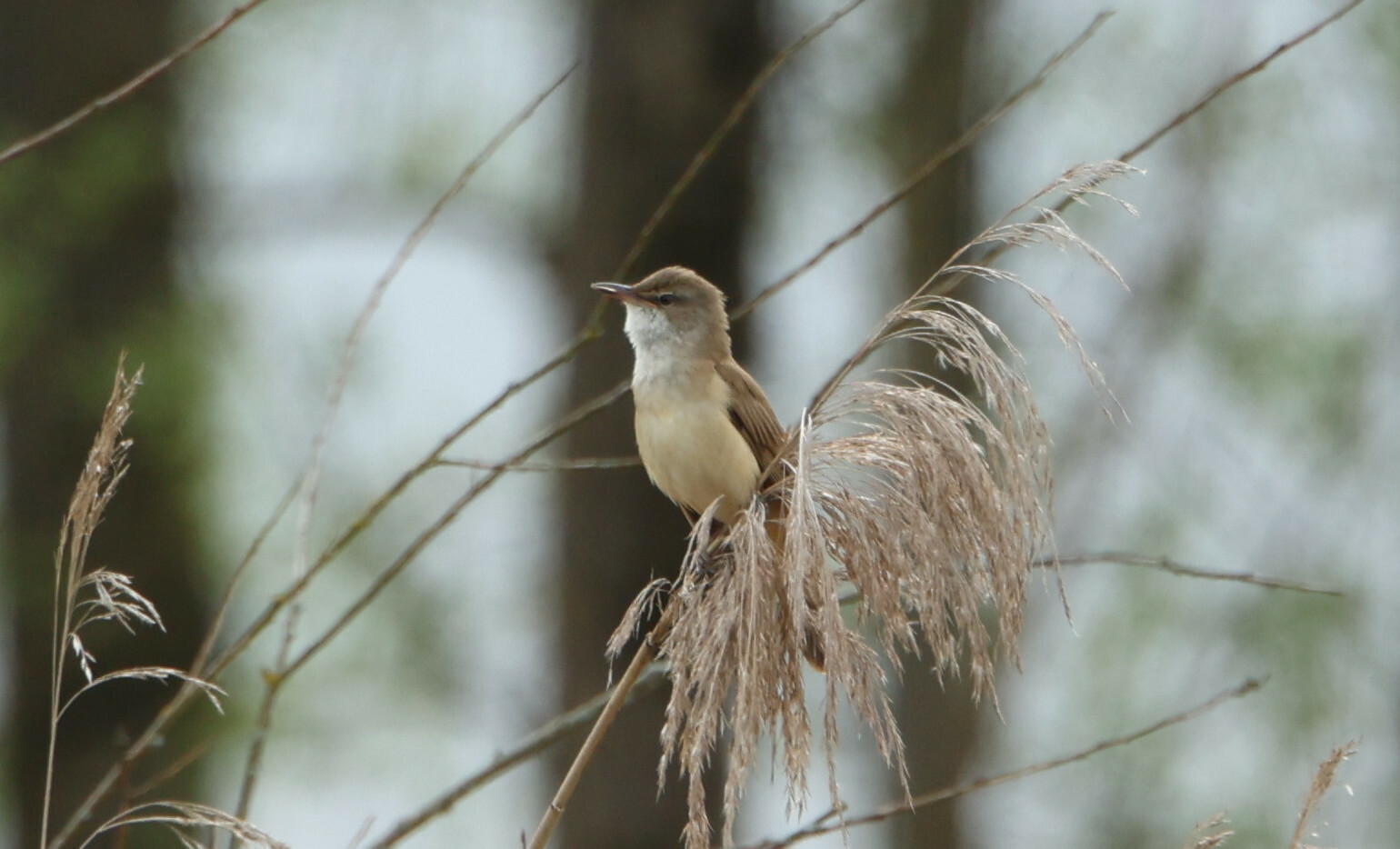
In the reed areas around the lake you can often hear Pettazzurro, Forapaglie comune, Cannareccione, Cannaiola, Salciaiola and Migliarino di palude. Bushes around the lakes have Cannaiola verdognola, Usignolo, Saltimpalo and Pendolino. And there are also plenty of birds of prey: Falco pescatore, Falco di palude and Lodolaio, in winter also Gufo di palude and Albanella reale, hunt here.
The area is definitely worth a visit, also because extreme rarities are repeatedly reported.
Dettagli
Accesso
Mooswald and Mooswaldseen are located north of the town of Günzburg. The area is easily accessible by car. There are plenty of parking spaces at the quarry lakes. Click on the P in the map for directions to a parking spot. The rest can easily be accessed on foot or by bike. No difficult paths, except for the path to the observation hide on the eastern Mooswaldsee - this path can be partially flooded.
Terreno e habitat
Foresta , Zona umida , Brughiere/lande , Stagno , Lago , CannetiCaratteristiche dell’area
Terreno piano , Paludoso , Acqua alta possibilePercorso ad anello
NoÈ utile un cannocchiale?
Può essere utileBuona stagione per il BW
Tutto l'annoMiglior periodo per visitare
Migrazione autunnale , Migrazione primaverile , PrimaveraPercorso
Sentiero ampio , Sentiero stretto , Strada sterrata , Strada asfaltataGrado di difficoltà del percorso a piedi
Difficoltà mediaModalità di accesso
A piedi , Bicicletta , Sedia a rotelleCapanno/torretta di osservazione
SiInformazioni aggiuntive
Parts of the paths can be flooded (especially in spring), so small detours have to be taken.


 ) per inserire i nomi delle specie nella tua lingua. I nomi delle specie verranno automaticamente tradotti per gli altri utenti!