

Descrizione
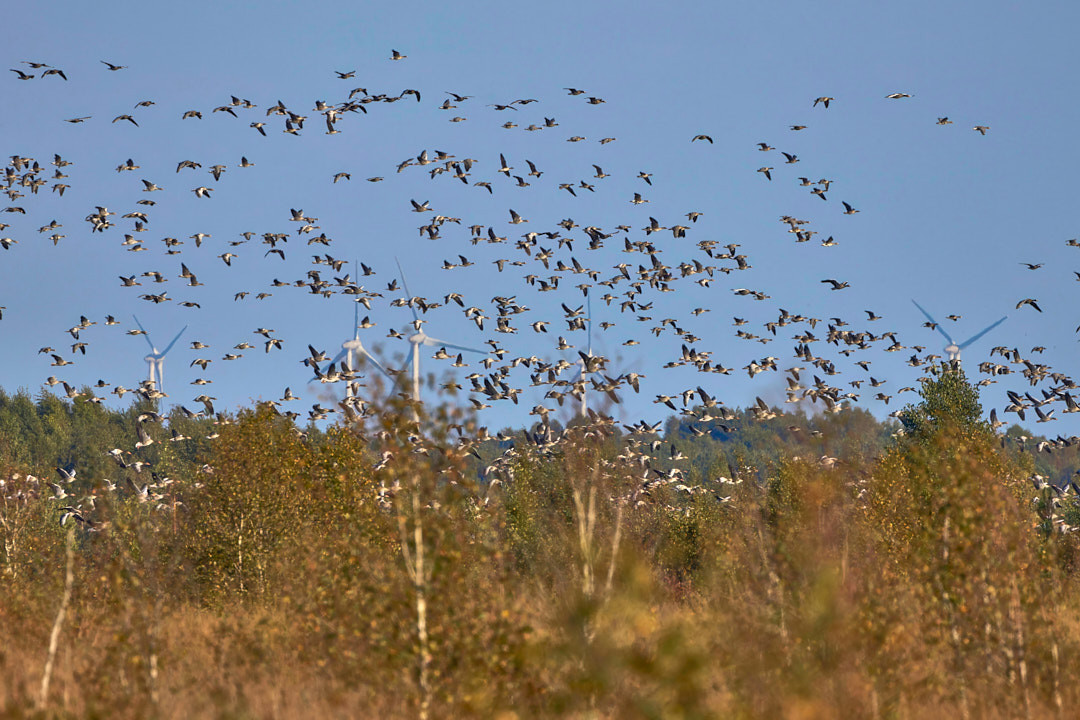
As in other moorlands in the natural area, Gru moving through in autumn soon discovered this rewetted former peat bog. Because the flat flooded 'Leegmoor' areas, as one calls partial peat bog areas, are suitable overnight places for resting Gru. Even in relatively severe winters like 2009/10 and 2010/11, smaller groups of imposing birds endure here.
Dettagli
Accesso
Gru falling in the evening can be observed from the north in the area of the viewpoint at the House in the Bog (NIZ). From the car park (see the P on the map) at the Nature Conservation and Information Center (NIZ) you can walk to the observation point after 300 m. Please note the signs on site. The following address can be used: Arkeburger Str. 22, 49424 Goldenstedt.
Terreno e habitat
Brughiere/landeCaratteristiche dell’area
Terreno piano , Paesaggio apertoPercorso ad anello
SiÈ utile un cannocchiale?
SiBuona stagione per il BW
AutunnoMiglior periodo per visitare
Migrazione autunnale , AutunnoPercorso
Strada asfaltata , Strada sterrataGrado di difficoltà del percorso a piedi
FacileModalità di accesso
A piedi , MacchinaCapanno/torretta di osservazione
SiInformazioni aggiuntive
The areas around Diepholz are famous for the gathering of Gru every autumn. Diepholz has 24,000 hectares of peat bogs in eleven different areas. Between the areas are small villages and lots of corn fields and grassland. Most visitors are gathered around a few large observation towers, and the rest of the area is usually quiet. The thousands of birds gather here in Germany during the Gru migration to fat up for their trip to the more southern wintering grounds. During this period, the number may reach in the tens of thousands. During te day the birds are foraging (feeding) on the different corn fields in the area and in the evening they fly in great numbers to their sleeping places in the peat bogs around Diepholz. The best time of the year, with the biggest amounts of Gru is during the last two weeks of october, and the first week in november.


 ) per inserire i nomi delle specie nella tua lingua. I nomi delle specie verranno automaticamente tradotti per gli altri utenti!