Descrizione
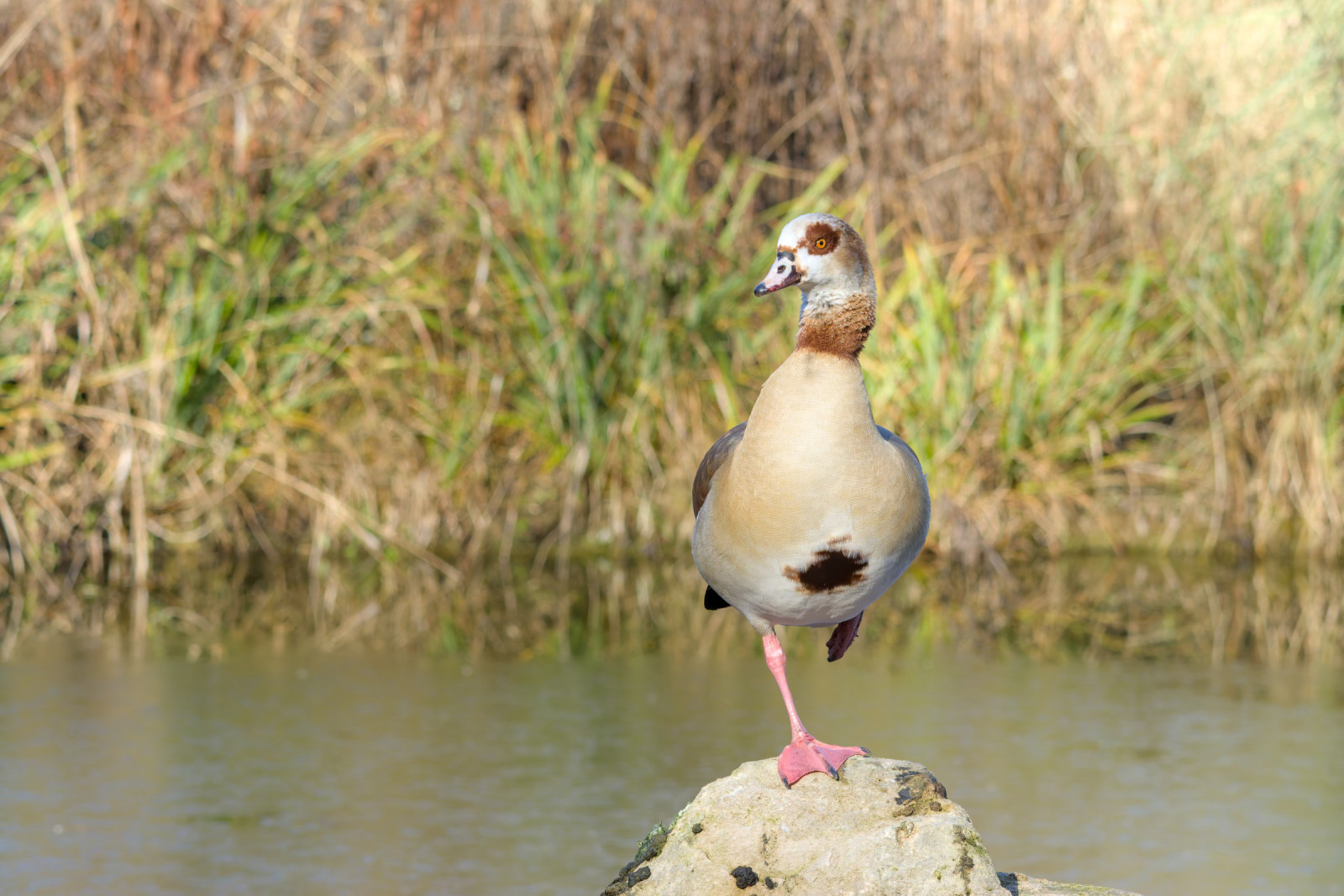
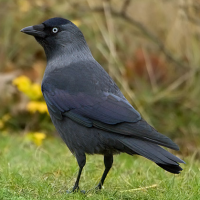
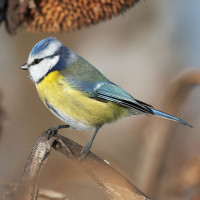
The Blühendes Barock is the palace garden surrounding the baroque residential palace in Ludwigsburg. While the gardens do not host a large variety of bird species, they are ideal for observing and photographing common birds such as Cinciallegra, Cinciarella, Pettirosso, Merlo, Luì piccolo, Passera Europea, Cardellino, Germano reale, Oca egiziana, Airone cenerino, and Taccola in a beautiful environment.
Most birds here are more used to people, and the gardens are decorated with vibrant flowers during spring and summer.
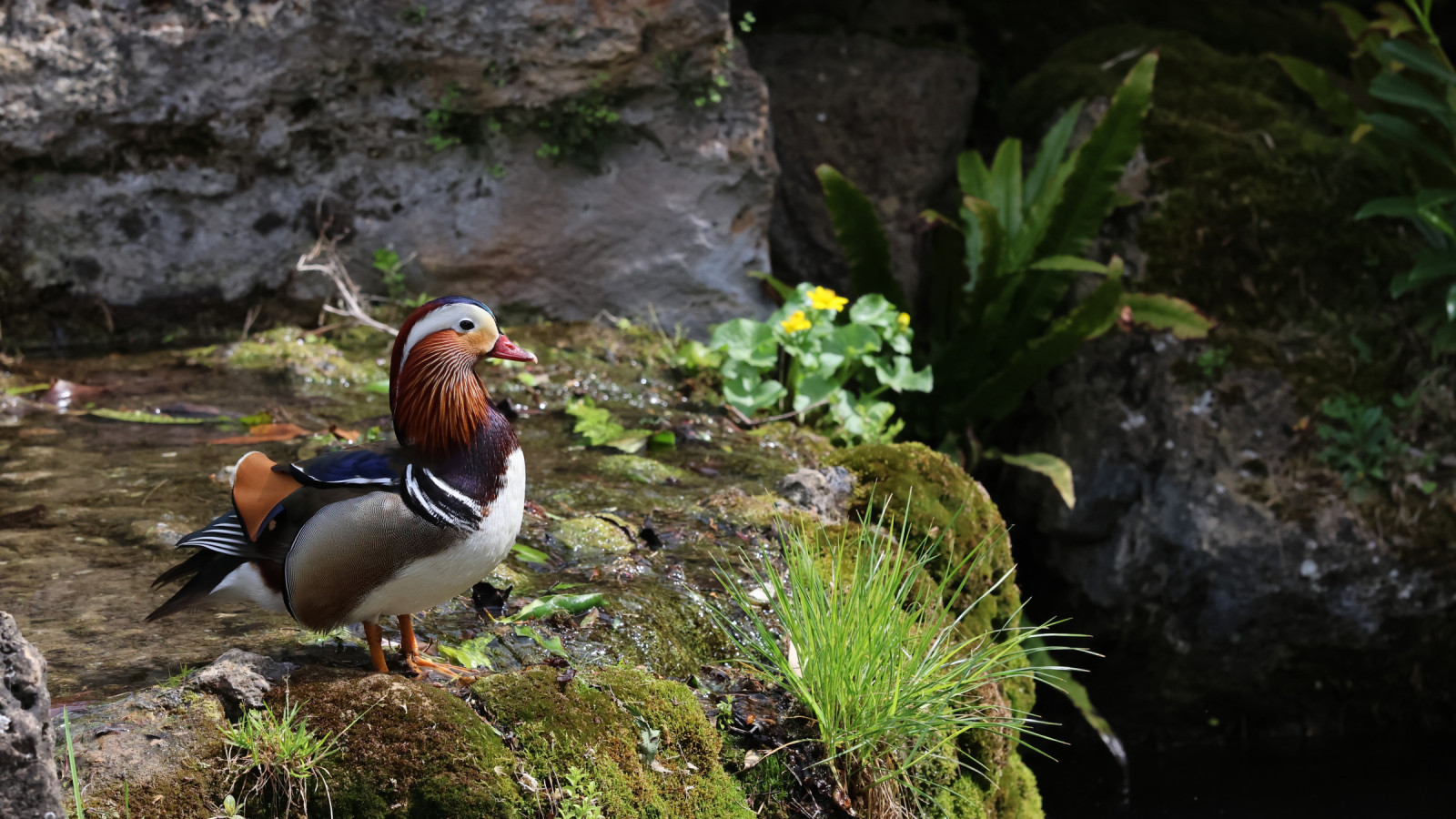
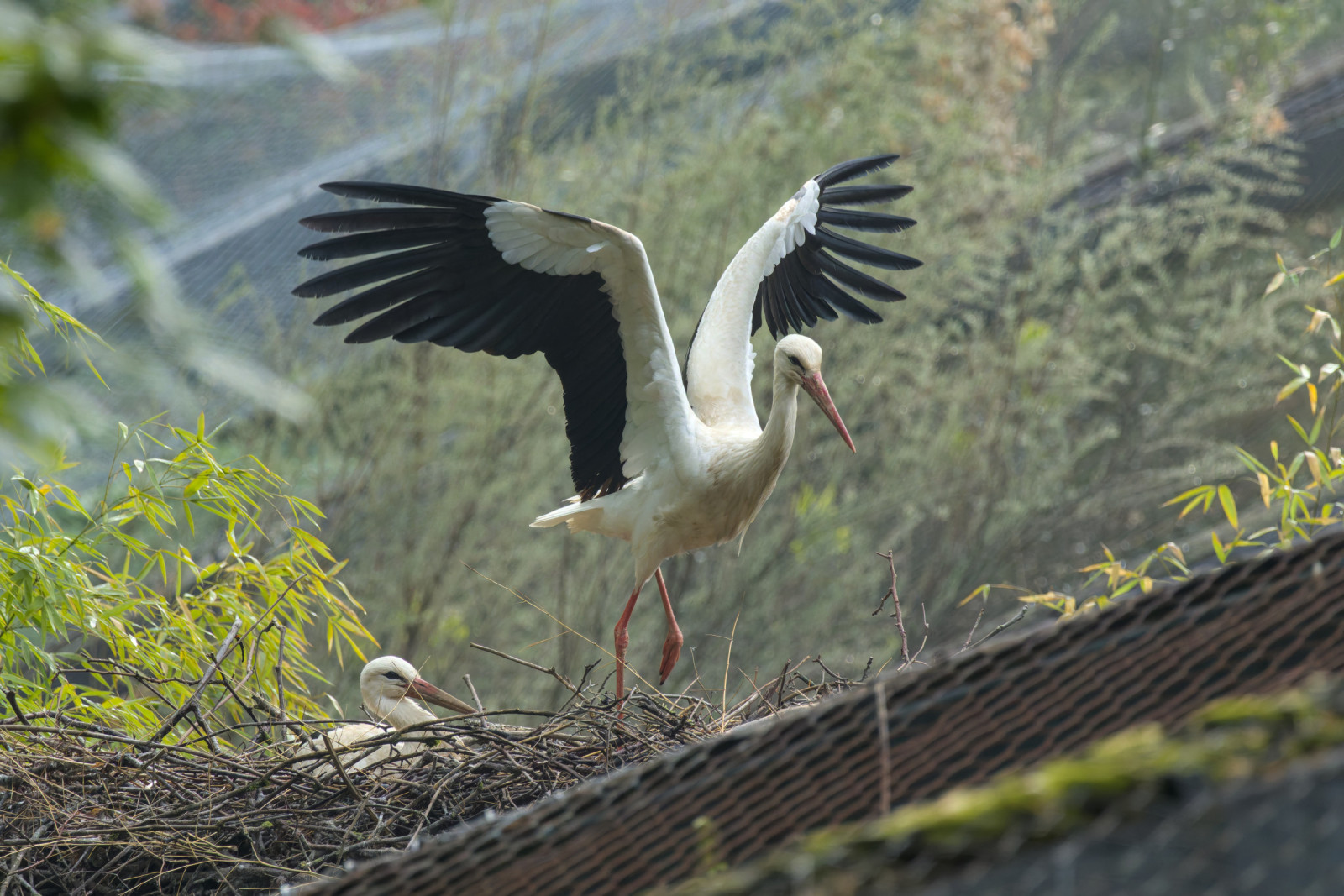
A local highlight is the Anatra mandarina, which is usually found here in abundance, except during some winters. They can primarily be seen at the Schüsselesee and Emichsee. Another special sight are the Cicogna bianca pairs that nest each year on top of the aviary. Other species such as Allocco, Poiana, Sparviere and Codibugnolo have also been observed here.
Dettagli
Accesso
From late March to early December, there is an entrance fee to the palace gardens. Tickets are available at the southern main entrance, the west entrance at the palace (Hinterer Schlosshof), and the east entrance (Mömpelgartstraße). Seasonal card holders can enter the park from additional entrances. The gardens are open from 7:30 am to 8:30 pm during the main season. From early December to late March, opening hours are 9 am to sunset.
Paid parking is available at Mömpelgartstraße, Fasanenstraße, and Bärenwiese. Several parking garages are also located throughout the city. Press P on the map for directions to the parking area.
For public transport, take the S4 or S5 to Ludwigsburg station. From there, the palace garden is about a 15-minute walk. Alternatively, take bus lines 422, 425, 426, 431, or 433 to the main entrance, or lines 421, 427, 430, or 444 to the west entrance at the palace.
The Blühendes Barock features well-maintained paved paths, as well as many small, winding trails that invite exploration.
Terreno e habitat
Alberi e cespugli sparsi , Stagno , Parco , Città/paese , ForestaCaratteristiche dell’area
Terreno pianoPercorso ad anello
SiÈ utile un cannocchiale?
NoBuona stagione per il BW
Tutto l'annoMiglior periodo per visitare
EstatePercorso
Sentiero ampio , Sentiero stretto , Strada sterrata , Strada asfaltataGrado di difficoltà del percorso a piedi
FacileModalità di accesso
A piedi , Sedia a rotelleCapanno/torretta di osservazione
NoInformazioni aggiuntive
Bird activity varies a bit depending on the area of the palace gardens.
The large south garden (1) features a large open area with rows of trees to its side. Fringuello, Cinciarella, Codirosso spazzacamino, Gheppio, Cornacchia nera and Oca egiziana are the most commonly found birds here.
In the upper east garden, the gardens around the orangery (2) are particularly great for different songbirds, like Cinciarella, Pettirosso, Merlo and Tordo bottaccio. From there, the nests of the Cicogna bianca can be seen especially well.
The Schüsselesee (3) is a great location to observe Germano reale, Anatra mandarina, Airone cenerino and Taccola.
The lower east garden features the Emichsee (4) and a second pond (5), where Anatra mandarina, Oca egiziana and Gallinella d'acqua sometimes reside, and Cardellino, Luì piccolo and Scricciolo can be spotted.
It also has a 'valley of birdsongs' (6), where various recorded bird songs are presented. The fairy-tale garden (7) is usually the most crowded and has fewer interesting spots and opportunities for birders. In the north garden (8), Taccola can often be observed.
For a larger tour, the Favoritepark can easily be visited afterwards by exiting the Blühendes Barock to its northern exit and crossing the road via the bridge.
Many captive birds, including pheasants and flamingos, can also be seen in the Blühendes Barock.


 ) per inserire i nomi delle specie nella tua lingua. I nomi delle specie verranno automaticamente tradotti per gli altri utenti!