
.jpg)
Descrizione
Fornæs is a migration hub covering both east, north and west. And there is a good chance of seeing Uria nera since they breed close by. As well as Gazza marina in huge numbers migrating (100.000 estimated on one good day) and a few staying through the winter. In spring and fall huge flocks of birds of prey arrive on route to Sweden or exploring the north. Rare birds are seen regularly, though not every day.
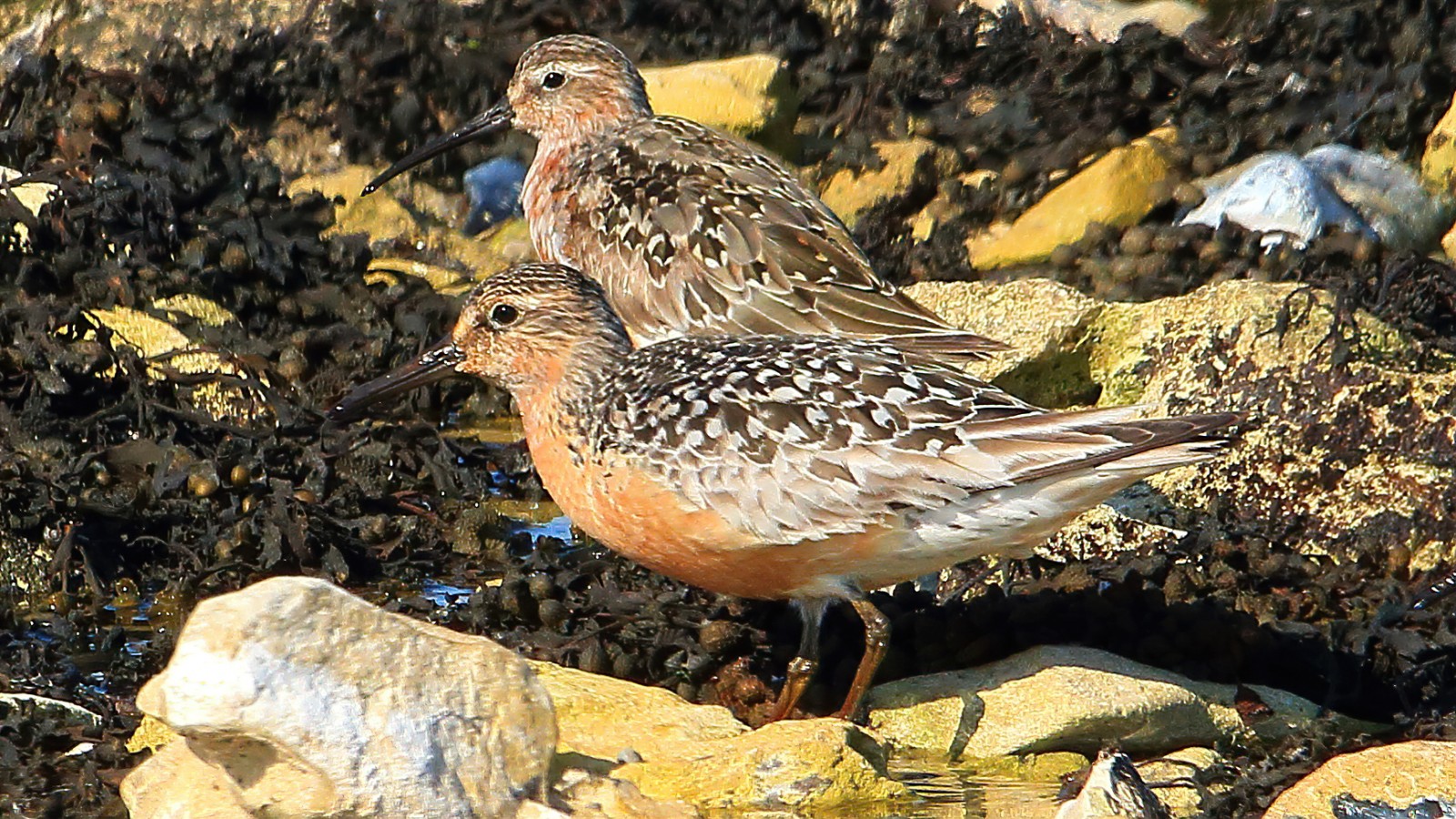
Waders live at the coast, as well as terns, ducks and geese. Various small birds such as Culbianco come here outside their breeding season and usually stay a while before migrating further. Sula hunt outside the coast, though usually far out. Orco marino and Orchetto marino live here permanently.
Dettagli
Accesso
You can park at the lighthouse then walk north.
Terreno e habitat
Prateria/pascolo , Mare , Alberi e cespugli sparsiCaratteristiche dell’area
Terreno piano , Paesaggio apertoPercorso ad anello
SiÈ utile un cannocchiale?
SiBuona stagione per il BW
Tutto l'annoMiglior periodo per visitare
Migrazione primaverile , Migrazione autunnalePercorso
Strada asfaltata , Sentiero ampio , Strada sterrataGrado di difficoltà del percorso a piedi
FacileModalità di accesso
A piedi , Bicicletta , Macchina , Sedia a rotelleCapanno/torretta di osservazione
NoInformazioni aggiuntive
If you dont mind a 6-7 km (both ways total) long walk you can follow along the coast in northern direction and you end up at Sangstrup Klint, where million year old fossils can be found, and you are sure to see a lot of birds on the way.
Link
- Official but limited Tourist information
- Article about birding spots in the general area - In Danish need google translate.
- Information in English about the north-east coast of Djursland - Which Fornæs is part of


 ) per inserire i nomi delle specie nella tua lingua. I nomi delle specie verranno automaticamente tradotti per gli altri utenti!