
Descrizione
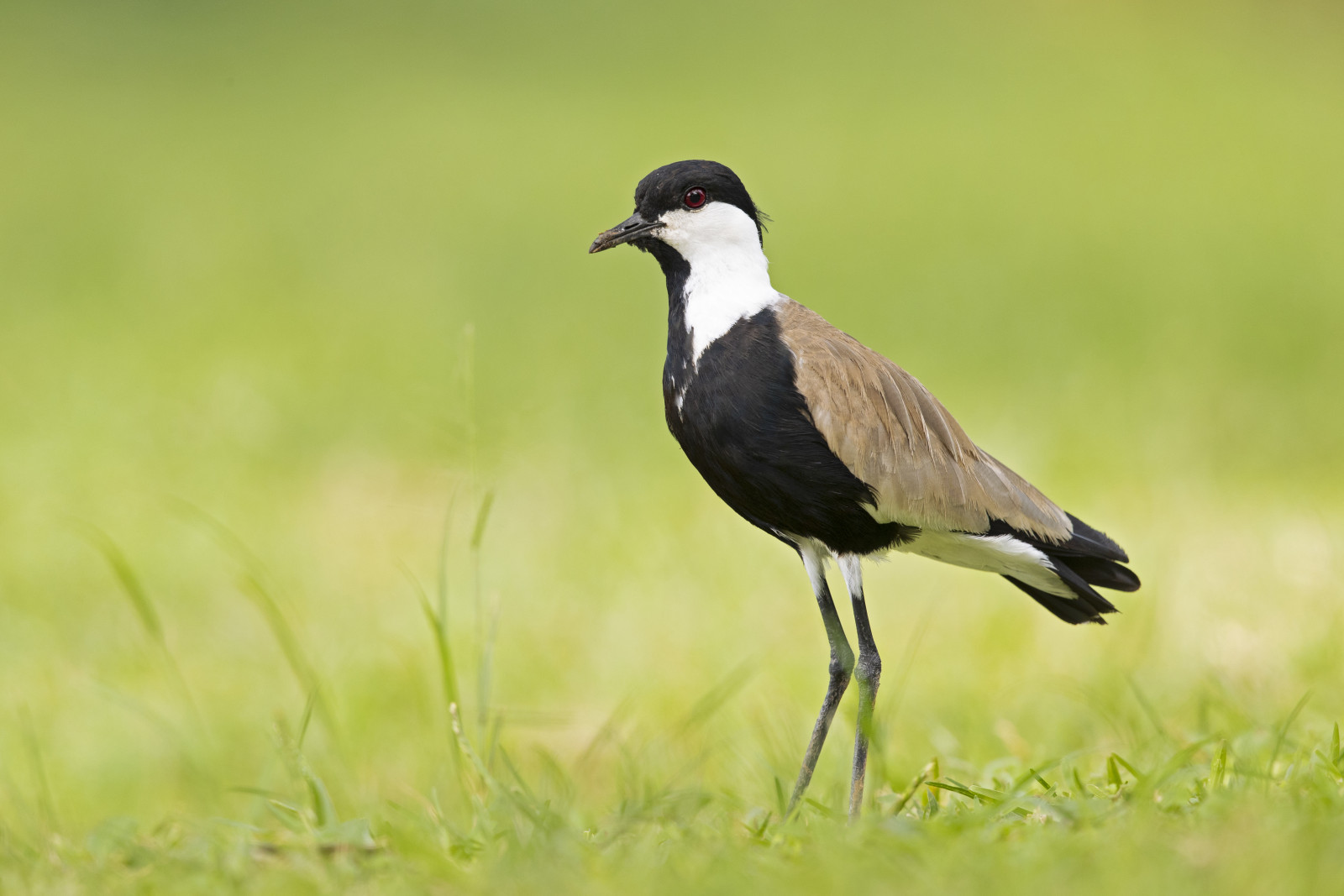
Kouklia Lake is a migration hotspot. There is no finer birding location for wetland species in Cyprus. The diversity of birds you can encounter is huge. Among the birds you can see in the area are Marzaiola, Moretta tabaccata, Smergo minore, Svasso piccolo, Cuculo dal ciuffo, Voltolino, Schiribilla, Damigella della Numidia, Cavaliere d'Italia, Piviere dorato, Pavoncella armata, Piviere tortolino, Combattente, Piovanello comune, Falaropo beccosottile, Pernice di mare, Sterna zampenere, Sterna maggiore, Fenicottero, Spatola and Pellicano comune. But many more, see the birdlist below.
Dettagli
Accesso
Drive to Kouklia village and when you get to the mosque take the turning opposite there is a signed entrance. Follow the central track down to a car park on left with tall viewing tower on right. On the opposite side of the wetland is a water retension barrage with a hide that you can walk to along the top of the barrage. It's a trek worth making.
Terreno e habitat
Zona umida , Alberi e cespugli sparsi , Lago , VelmeCaratteristiche dell’area
Terreno pianoPercorso ad anello
NoÈ utile un cannocchiale?
Può essere utileBuona stagione per il BW
Tutto l'annoMiglior periodo per visitare
Migrazione primaverile , Migrazione autunnalePercorso
Sentiero ampioGrado di difficoltà del percorso a piedi
FacileModalità di accesso
A piediCapanno/torretta di osservazione
SiInformazioni aggiuntive
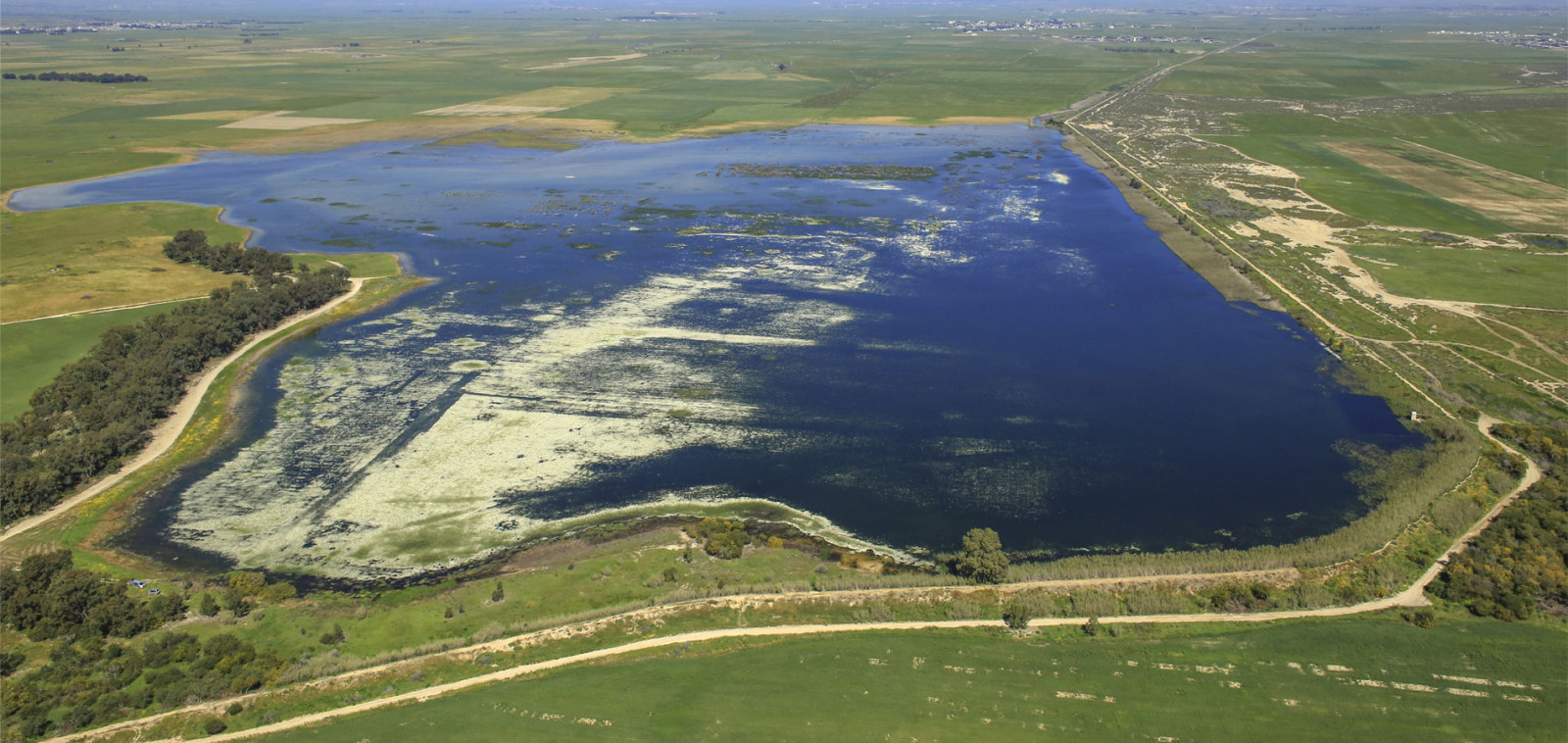
The Kouklia Lake is a reservoir that forms the temporary shallow lake habitat of Kukla Wetlands, which is no deeper than two meters. The reservoir used to be deeper, however it has been used for agriculture in dry seasons for many years and has silted up in time. It can totally dry during summer, however it can hold water for couple of years once it gets relatively full. At the eastern side of the lake the reservoir wall is fringed by phragmites reeds which can become extensive in wet times. The southeast corner is the deepest part and the wetland gets gradually shallower west and northwards. The reservoir habitat homes the majority of the birds seen at the site.


 ) per inserire i nomi delle specie nella tua lingua. I nomi delle specie verranno automaticamente tradotti per gli altri utenti!