.jpg)

Descrizione
Oak Hammock Marsh is a world-class birding destination located about 20 km north of Winnipeg, Manitoba. It is one of North America’s most significant wetland ecosystems, covering over 36 square kilometers of marsh, grasslands, and aspen parkland. The landscape is a patchwork of shallow ponds, cattail-lined channels, open water, and grassy uplands, making it an ideal habitat for a diverse range of bird species.
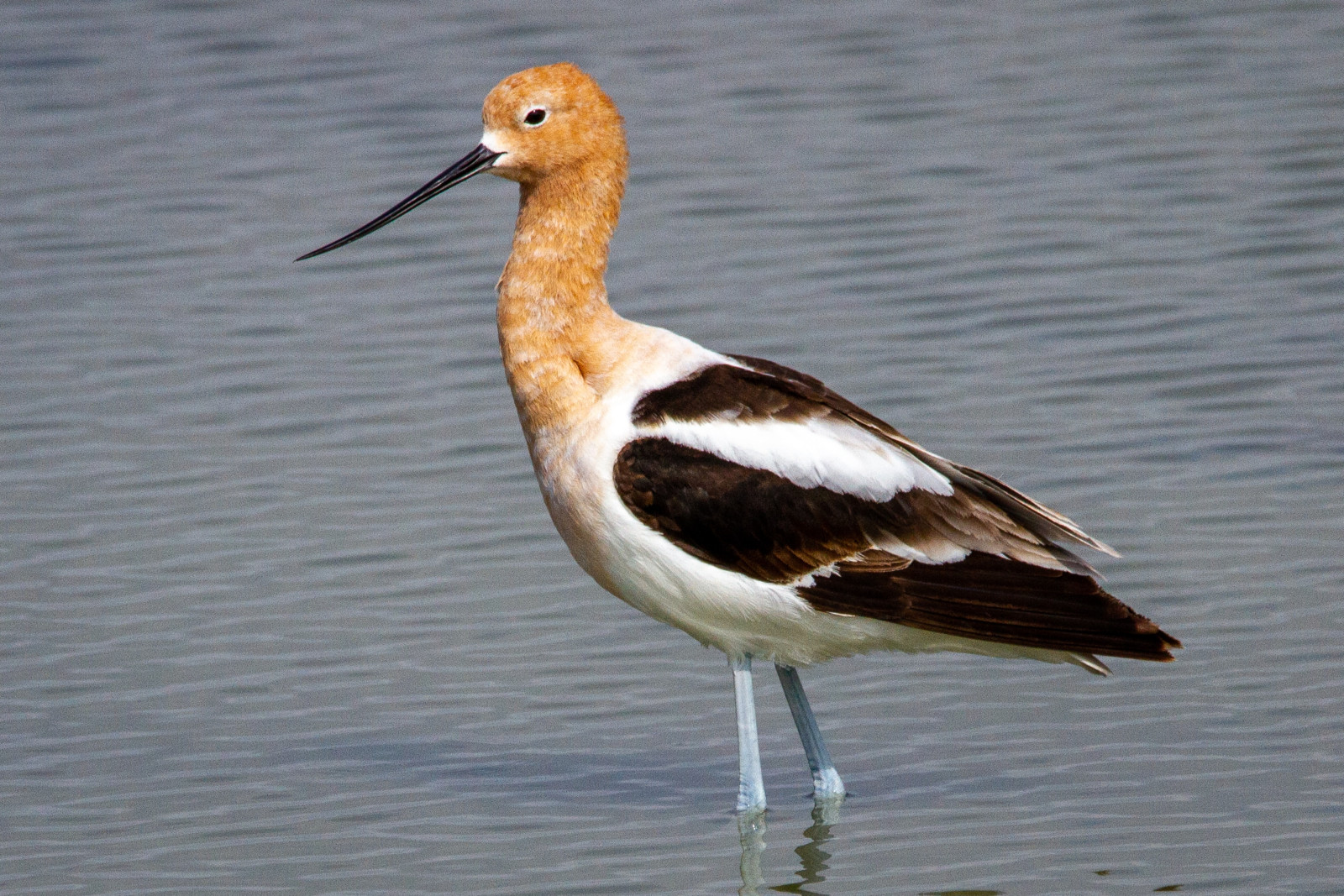
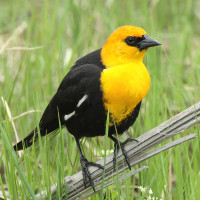
Bird Species You Can See in Different Seasons: Spring (April – June): A migration hotspot! Expect to see Tundra Swan, American Avocet, Yellow-headed Blackbird, and warblers moving through.
Summer (July – August): Nesting birds like the Black Tern, Forster's Tern, and various duck species (Northern Pintail, Blue-winged Teal) are common. Raptors such as Northern Harrier and Swainson's Hawk hunt over the marsh.
Fall (September – November): Large flocks of Sandhill Crane and Snow Goose stage in the marsh before their long migration south. Ducks and shorebirds also gather in impressive numbers.
Winter (December – March): While many birds migrate, hardy species like Snowy Owl, Redpoll, and Rough-legged Hawk remain.
Dettagli
Accesso
Oak Hammock Marsh is located in Manitoba, about 34 kilometers (21 miles) north of Winnipeg. From Winnipeg, take Highway 7 or Highway 8 north, then turn east on PR 220, following signs to the Interpretive Centre. The drive takes around 30–40 minutes from downtown Winnipeg. There is a free parking lot at the Interpretive Centre, which is the main access point to the marsh. It is spacious enough for cars, RVs, and buses. Press P on the map for directions. There is no direct public transportation to Oak Hammock Marsh. The best option is to drive or arrange a ride.
Admission is $ 14 (2025). Walking is the best way to explore the marsh, with 30 km of trails, boardwalks, and viewing platforms that offer excellent wildlife-watching opportunities.

 ) per inserire i nomi delle specie nella tua lingua. I nomi delle specie verranno automaticamente tradotti per gli altri utenti!