
Descrizione
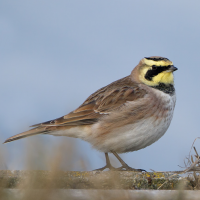
A river valley high in the Pirin (Пирин) Mountains between Vihren (2914 m) and Todorin Vrah (2746 m), this site holds an excellent range of alpine and subalpine birds. Above the 2,300-2,400 m tree line, the grassy slopes have Aquila reale, Gracchio alpino, Corvo imperiale, Sordone, Spioncello, Allodola golagialla (the Balkan subspecies balcanica with extensive black on the throat, a likely future species split), Merlo dal collare (alpine subspecies alpestris), Zigolo muciatto and if you are lucky, Picchio muraiolo.
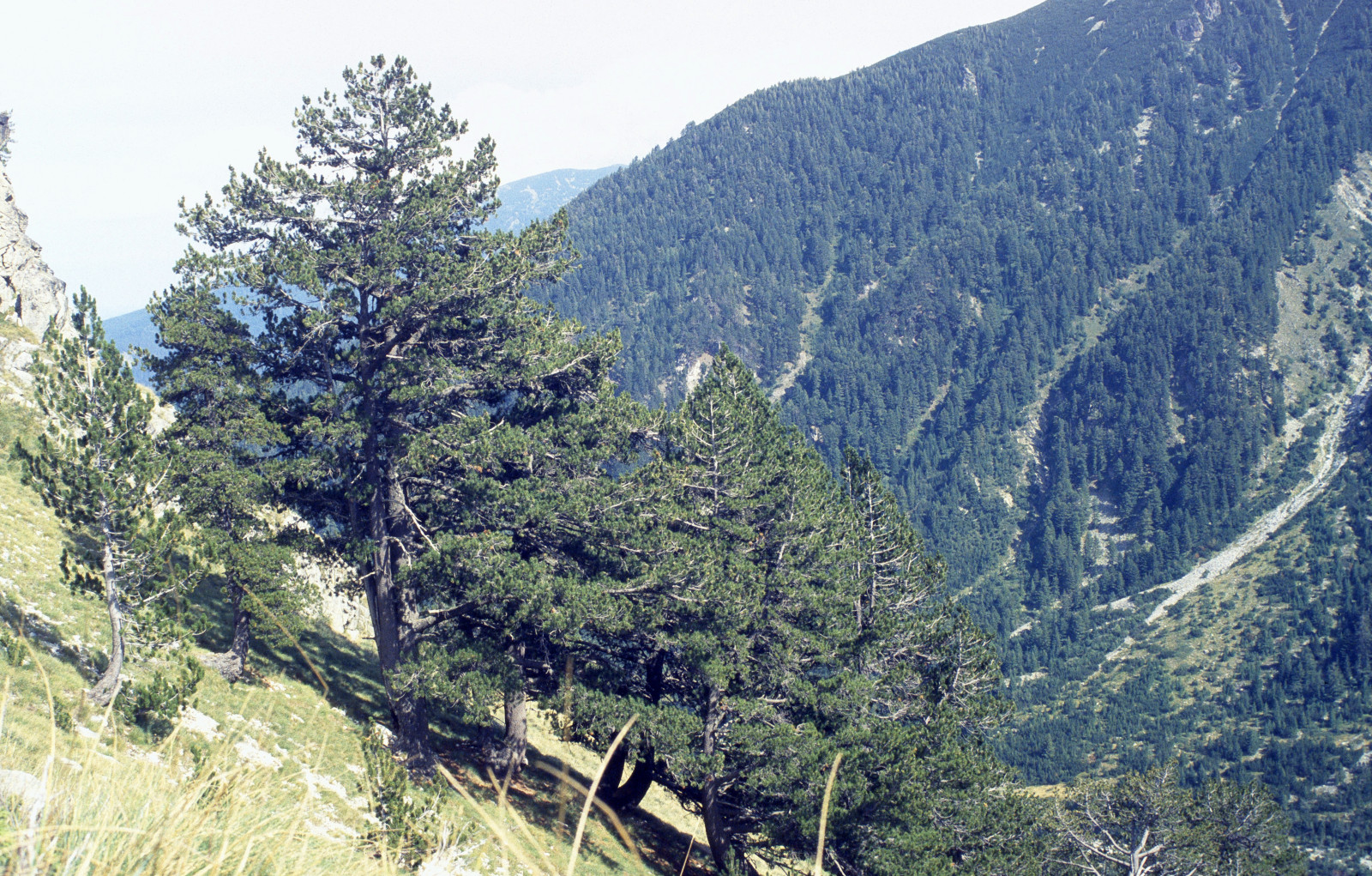
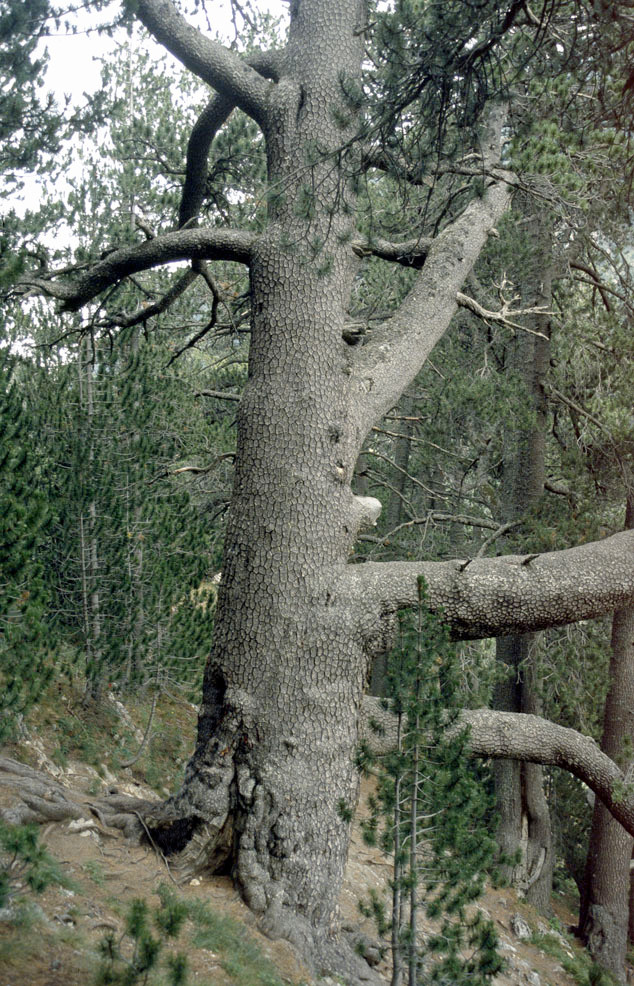
The mixed conifer forests are important for Nocciolaia (look for them collecting seed from Macedonian Pine [Pinus peuce] cones), Crociere comune (on my visit, two different forms, one small-billed, feeding on Norway Spruce [Picea abies] cones, the other large-billed and closely resembling Crociere delle pinete, feeding on Balkan endemic Bosnian Pine [Pinus heldreichii] cones), Cincia alpestre (the alpine subspecies montanus), Picchio cenerino, Picchio nero, Regolo, Fiorrancino, Rampichino alpestre and Cincia dal ciuffo. The alpine chalets hold breeding Rondone pallido and Rondine montana, both of which feed widely over the valley, and Codirosso spazzacamino.
Lower down, the mixed woodland around Bansko holds Picchio rosso mezzano (which can even be seen in parks and gardens in Bansko) and Rampichino comune. Also look for passage migrants like Canapino maggiore and Luì verde. Open areas have Cornacchia grigia, Verzellino, and Zigolo nero as well as Zigolo giallo. Overhead, Rondine rossiccia feed together with more familiar Balestruccio and Rondine. The river holds Merlo acquaiolo and Ballerina gialla along its full length.
Dettagli
Accesso
The mountain resort of Bansko (Банско) has an excellent range of accomodation and can be reached easily by train or bus from the capital Sofia. From Bansko, the best option is to hire a taxi to either the Banderitsa Chalet (Хижа Бъндерица, 14 km) or Vihren Chalet (Хижа Вихрен, 16 km), where you can also stay to explore the area, or walk along the many footpaths back to Bansko.
Terreno e habitat
Foresta , Montagna , Canyon/scogliera , Alberi e cespugli sparsi , Prateria/pascolo , Valle , Tundra , Fiume , Città/paeseCaratteristiche dell’area
Montagnoso , Paesaggio aperto , Roccioso , CollinosoPercorso ad anello
NoÈ utile un cannocchiale?
NoBuona stagione per il BW
Primavera , Autunno , EstateMiglior periodo per visitare
Autunno , Primavera , EstatePercorso
Strada asfaltata , Sentiero ampio , Strada sterrata , Sentiero strettoGrado di difficoltà del percorso a piedi
FaticosoModalità di accesso
A piedi , MacchinaCapanno/torretta di osservazione
NoInformazioni aggiuntive
My visit was in autumn, after most summer visitors had left. If there are other good species to be seen here in spring or summer, please leave a note below and I will add the details!
As well as the many birds, the site holds occasional Brown Bear and Wolf. It is botanically very rich, including the famous 'Байкушевата мура' ('Baikushev's pine'), an ancient Черна мура / Bosnian Pine (Pinus heldreichii) estimated to be over 1,300 years old, one of the oldest trees in the whole of Europe.
Thanks to Stivi Musievski for tips on additional birds that can be found here.
Gallery photo below of Nocciolaia in the Banderitsa Valley by Amkramer, creative commons cc-by-4.0 license, from iNaturalist via Wikimedia Commons.



 ) per inserire i nomi delle specie nella tua lingua. I nomi delle specie verranno automaticamente tradotti per gli altri utenti!