Descrizione
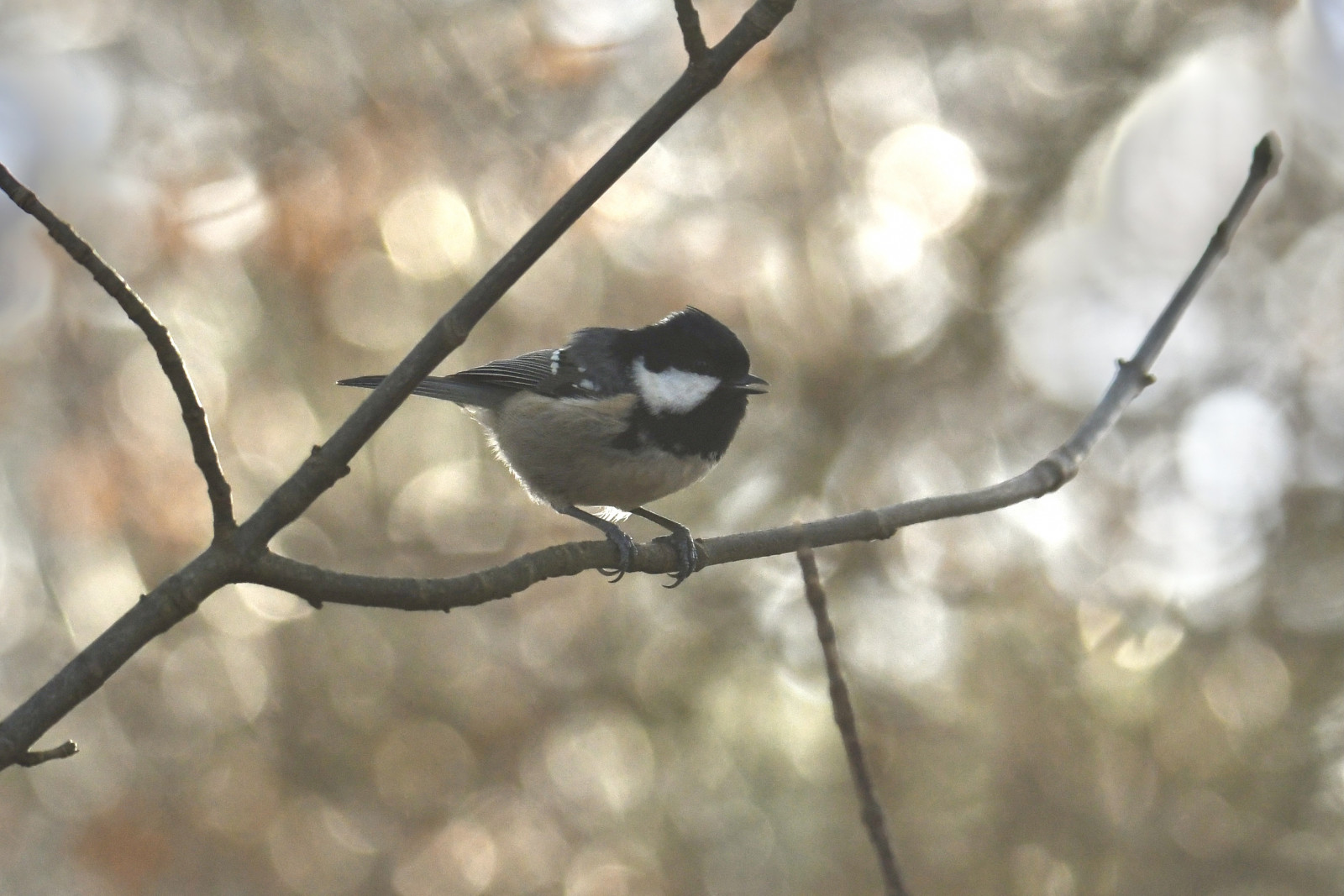
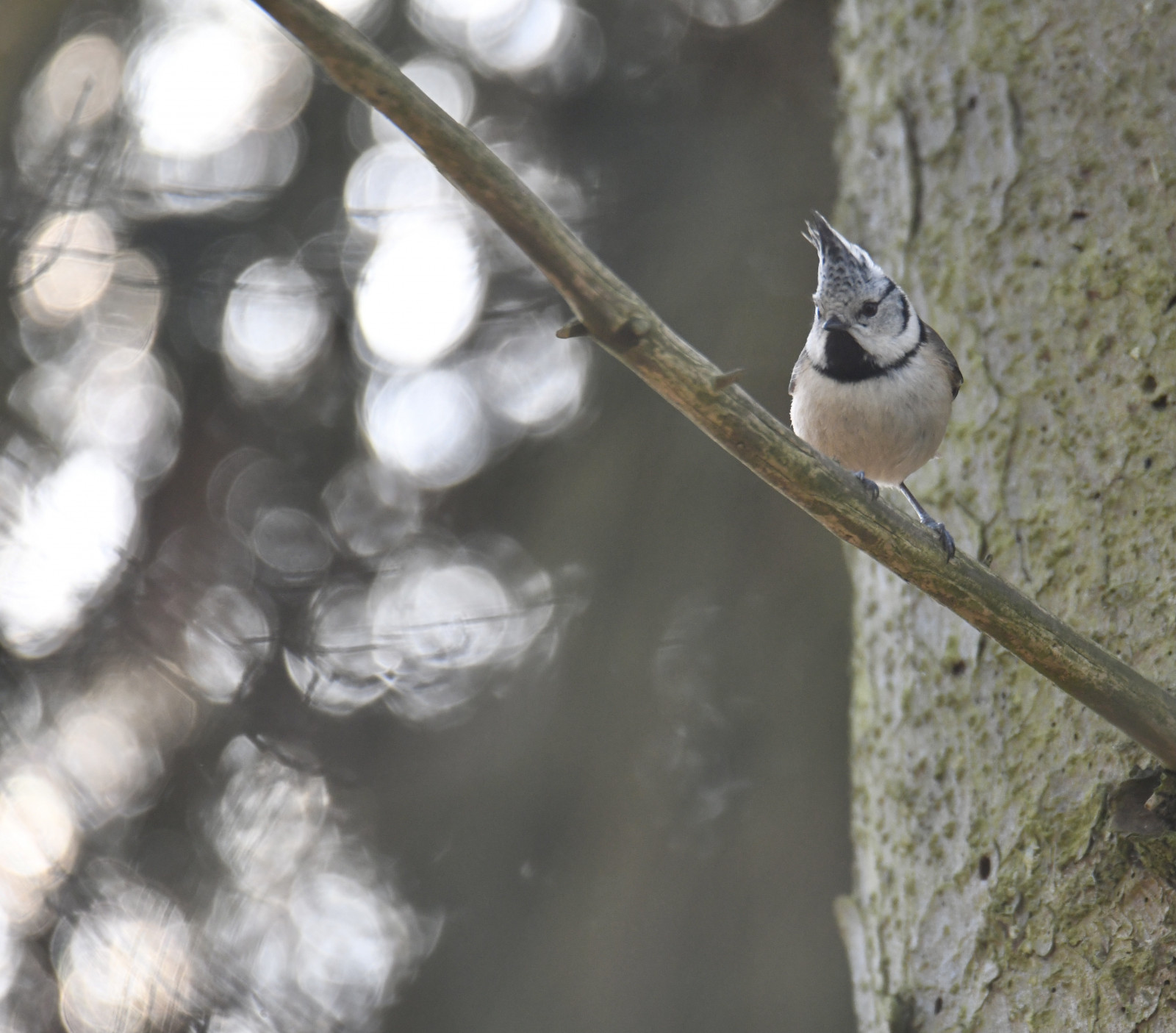
The Engeland Plateau is an area of interest because you can see many species of forest or semi-forest birds; such as the Ciuffolotto, Frosone, Fringuello, Peppola (in winter), Lucherino (in winter too), , Picchio muratore, Regolo and Fiorrancino, Tordo sassello, Tordo bottaccio, Tordela ; some woodpecker species such as Picchio rosso maggiore, Picchio verde or Picchio rosso mezzano; and all the tit species present in Brussels (!): Cinciarella, Cincia dal ciuffo, Cinciallegra, Codibugnolo, Cincia mora and Cincia bigia.
_________________________
Français: Le Plateau Engeland est une zone d'intérêt car on peut voir de nombreuse éspèces d'oiseaux forestiers ou semi-forestiers; tels que le Ciuffolotto, le Frosone, le Fringuello, le Peppola (en hiver), le Lucherino (en hiver aussi), le Rampichino comune, la Picchio muratore, le Regolo et le Fiorrancino, la Tordo sassello, la Tordo bottaccio, la Tordela; quelques éspèces de pics tels que le Picchio rosso maggiore, le Picchio verde ou le Picchio rosso mezzano; et toutes les éspèces de mésanges présentes sur Bruxelles (!) : Cinciarella, Cincia dal ciuffo, Cinciallegra, Codibugnolo, Cincia mora et Cincia bigia.
Dettagli
Accesso
You can reach the site by bus with line 37 or 43. Bus stop Marentak, Pasteur, Verrewinkel. Often enough parking spaces nearby. Click on the P on the map for directions. The 2 main entrances are on Avenue Dolez and Chemin du Puits.
_________________________
Français: Vous pouvez rejoindre le site en bus avec la ligne 37 ou 43. Arrêt de bus Marentak, Pasteur, Verrewinkel. Souvent assez de places de stationnement aux alentours. Cliquez sur le P sur la carte pour obtenir les directions. Les 2 entrées principales se trouvent sur l'Avenue Dolez et le Chemin du Puits.
Terreno e habitat
Foresta , Prateria/pascoloCaratteristiche dell’area
Paesaggio apertoPercorso ad anello
NoÈ utile un cannocchiale?
NoBuona stagione per il BW
Tutto l'annoMiglior periodo per visitare
Primavera , InvernoPercorso
Sentiero ampioGrado di difficoltà del percorso a piedi
FacileModalità di accesso
A piediCapanno/torretta di osservazione
NoInformazioni aggiuntive
The Poiana is seen very frequently, as well as the Picchio verde, the Picchio rosso maggiore, the Cincia bigia and the Tordela (less easy to see this one). In winter the Lucherino is very present on the set and we know to see them often, while the Peppola is more discreet but is still present. In summer we can see the Luì piccolo; occasionally the Luì grosso, and the Capinera is heard.
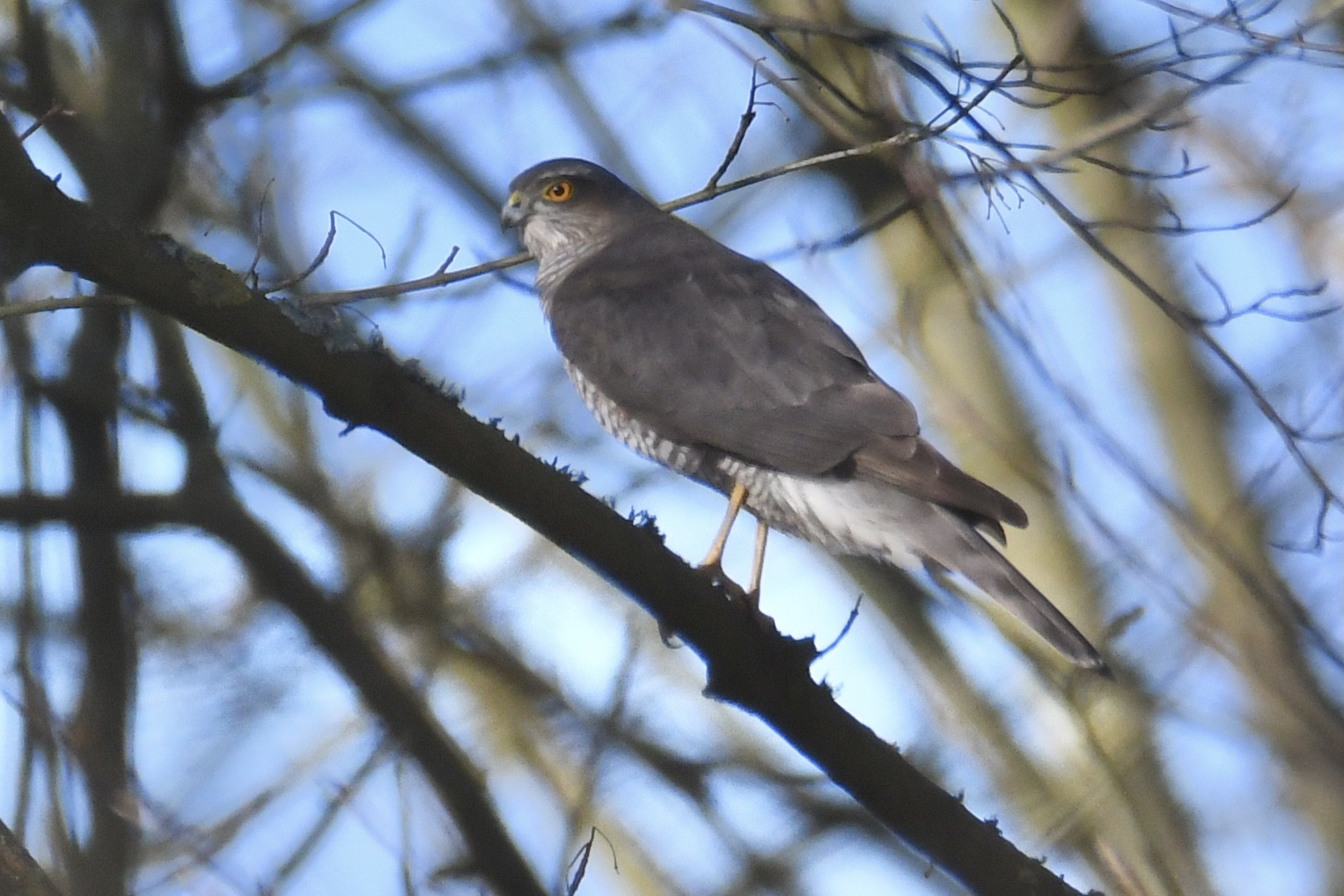
When it comes to birds of prey, the most common are: the Poiana and the Sparviere, while the Gheppio can be seen less frequently (the Astore is quite rare but in flight with luck we can see it). Note that in summer it is possible to see the Falco pecchiaiolo passing overhead.
Near the western entrance is a small pond where you can see the Germano reale, the Gallinella d'acqua, the Airone cenerino and even the Martin pescatore!
_________________________
Français: La Poiana s'observe très fréquemment, ainsi que le Picchio verde, le Picchio rosso maggiore la Cincia bigia et la Tordela (moins facile a voir celle là). En hiver le Lucherino est bien présent sur le plateau et on sait en voir souvent, tandis que le Peppola se fait plus discret mais est quand même présent. En été on sait voir le Luì piccolo; occasionellement le Luì grosso, et la Capinera se fait entendre.
Quand au rapaces, les plus fréquents sont: la Poiana et l' Sparviere , tandis que on peut voir moins fréquement le Gheppio ( l' Astore est assez rare mais en vol avec de la chance on sait le voir). A noter que en été c'est possible de voir passer au dessus de soi la Falco pecchiaiolo.
Près de l'entrée ouest un petite mare dans un creux est visible, ou l'on peut voir le Germano reale, la Gallinella d'acqua, le Airone cenerino et même le Martin pescatore !


 ) per inserire i nomi delle specie nella tua lingua. I nomi delle specie verranno automaticamente tradotti per gli altri utenti!