
Description
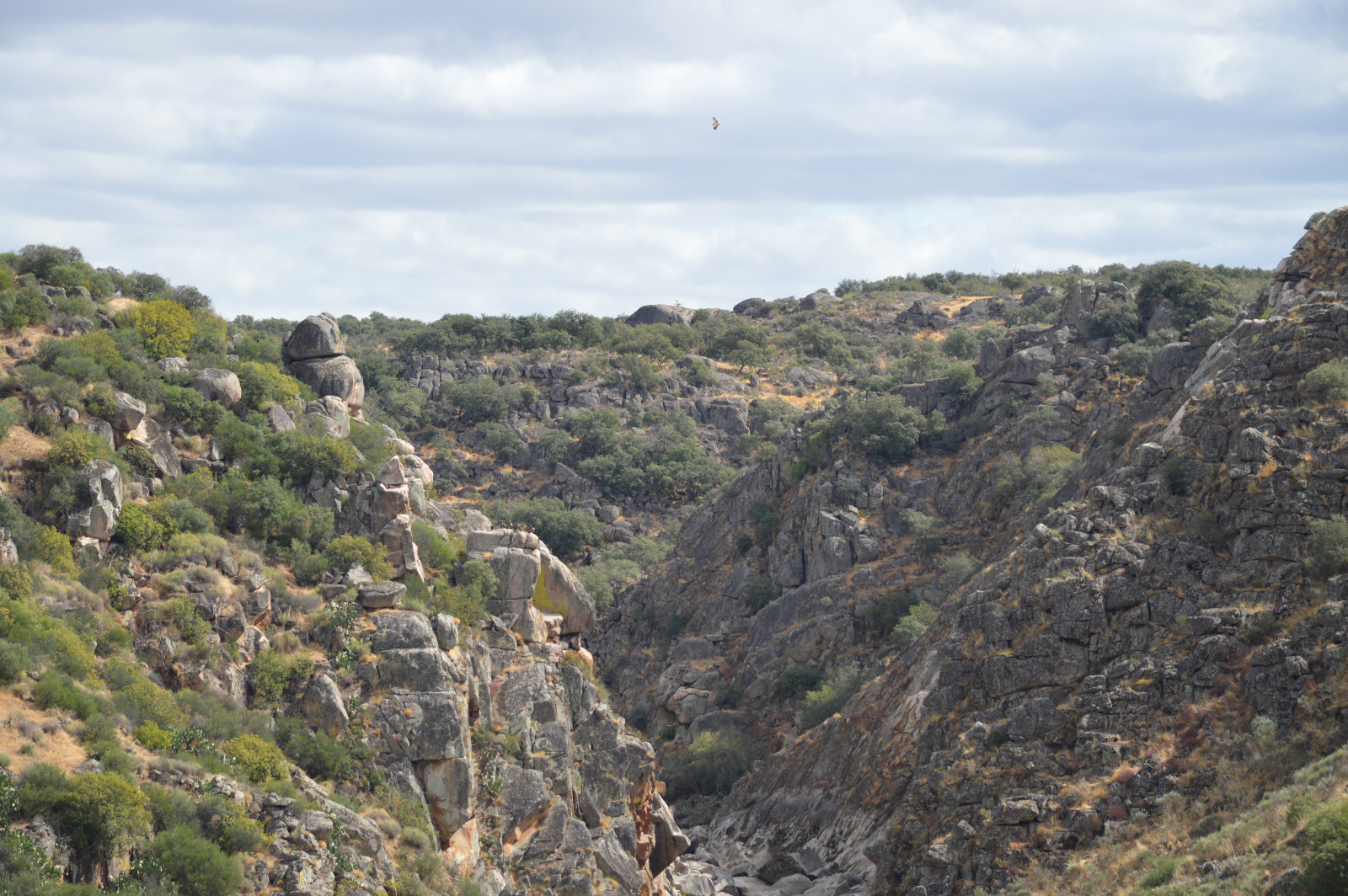
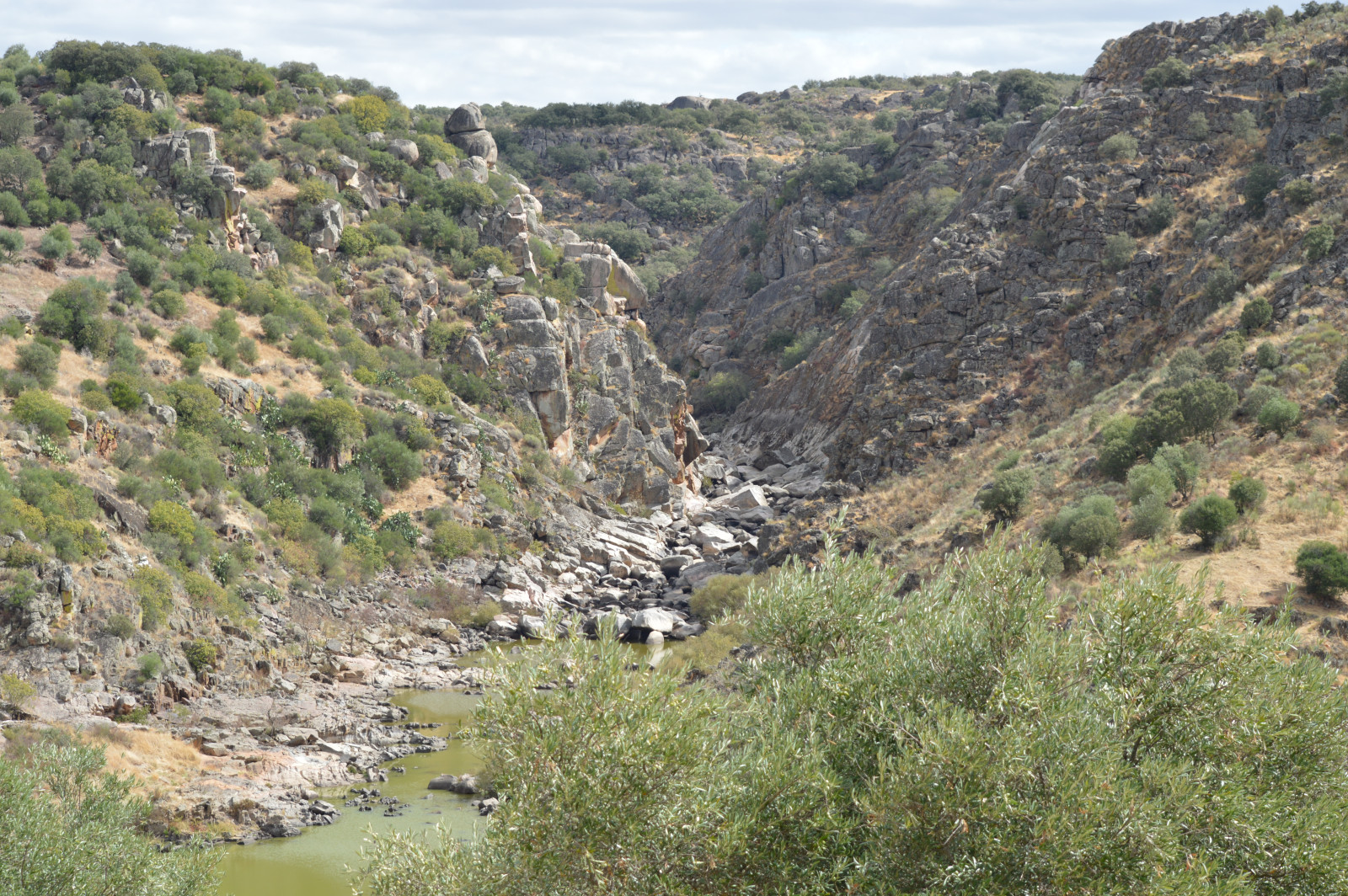
Canhão do Erges is one of the most inhospitable and remote places in Portugal. The Erges is still a wild river with great erosive capacity that led to the formation of three impressive gorges within a short distance. Exploring these canyons, where the river flows at a depth of 150 m, is a perfect opportunity to discover a great diversity of birds. The cliffs are an important nesting and resting place for Gæsagammur, Skarngammur, Black Vulture, Kolstorkur, Haukörn, Bláþröstungur and Úfur. Here, the skies are also crossed by birds of prey like Snákerna, Skálmörn, Gullörn, Svölugleða, Vatnagleða, Músvákur and aerial birds such as Alpasvölungur, Múrsvölungur, Bakkasvala, Landsvala, Bæjasvala, Bjargsvala and Brandsvala.
From the Roman bridge of Segura, that connects Portugal to Spain, you can observe Bláþyrill, Dverggoði, Lindastelkur, Trjástelkur, Dílaskarfur and Gráhegri. This is also a great place to observe Skopsöngvari, Blæsöngvari, Hettusöngvari, Hjálmsöngvari, Óðsöngvari and Busksöngvari, which usually feed and shelter in the bushes by the river. In the surroundings lands of Segura it is possible to detect and watch birds like Kornhæna, Sandhæna, Holudúfa, Dílagaukur, Gaukur, Vepja, Herfugl, Býsvelgur, Laufglói, Trjásvarri, Steppusvarri, Iberian Magpie, Skjór, Kamblævirki, Spánarspör, Steinspör, Hörfinka, Korntittlingur, Steintittlingur and Álmtittlingur.
Details
Access
Start by driving to the Roman bridge of Segura, from where can you see the village, the Erges river bed and the surrounding landscape, occupied by many species of birds. After that, you can drive along the riverside until the “Centro Interpretativo da Biodiversidade”, which has a good view into the interior of the granite outcrop. Finally, you can drive to a sandy area, with some watermills, where the canyon starts. See the map below.


 ) to insert bird names in your own language. The birdnames will automatically be translated for other users!