

Description
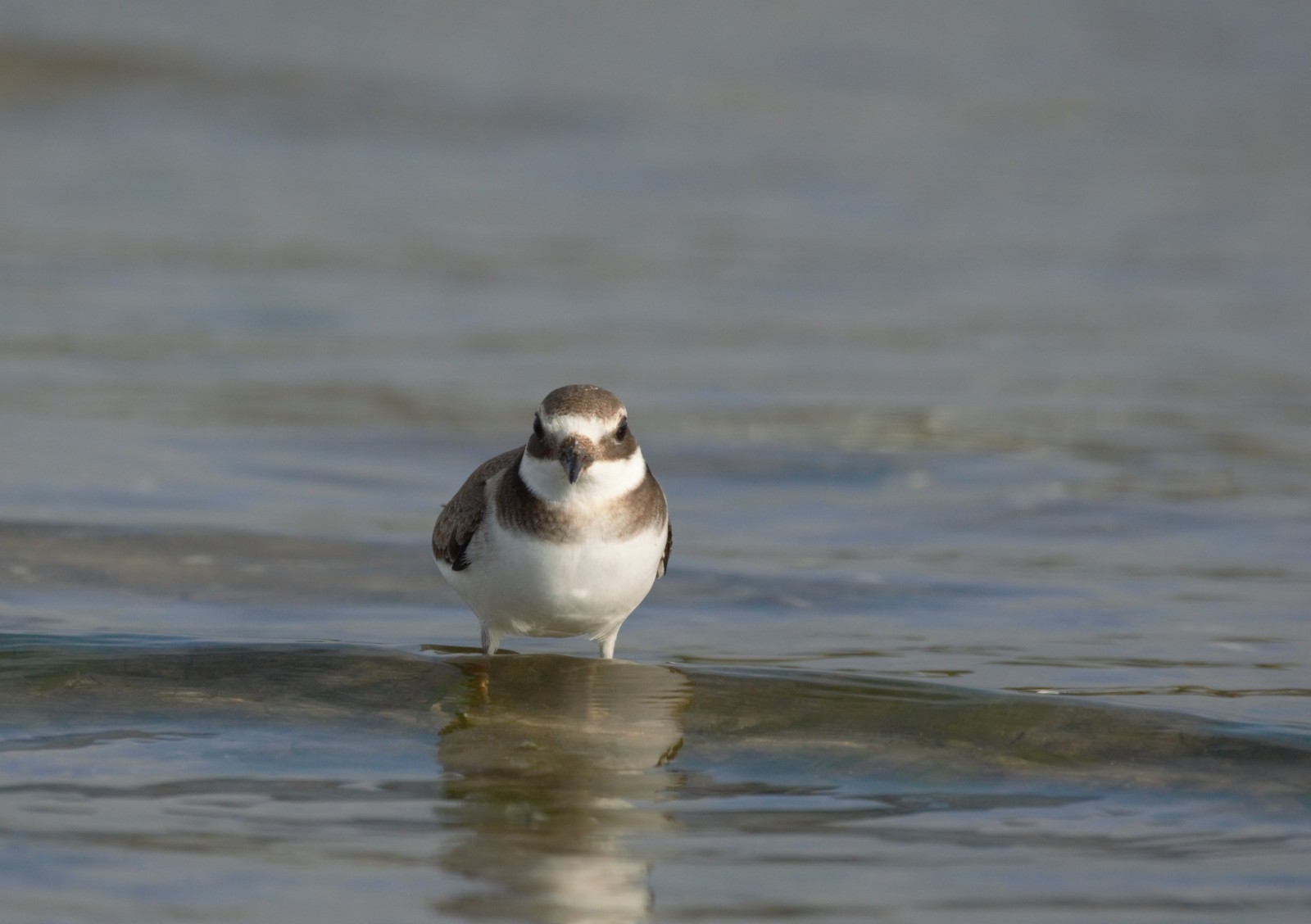
The mouth of the Scolmatore d'Arno is together with the mouth of the Serchio river, one of the main hotspots for observing sea birds in Tuscany and is one of the most important areas for gulls and terns not only in Tuscany, but also throughout the national territory. In Spring and Summer, the mouth of the river features hundreds of terns: Dvergþerna, Sílaþerna, Þaraþerna, with smaller numbers: Tígulþerna, Kolþerna, , Ránþerna. Very rare species for Italy have been sighted such as: Kría, Bengalþerna, Roðaþerna. Among the seagulls as well as the Klapparmáfur and the Hettumáfur there are also regularly Bleikmáfur, Lónamáfur (sometimes even with large numbers, even 500 individuals), Dvergmáfur. Rare sightings include Þernumáfur, Hvítmáfur, Sílamáfur, Fiskimáfur. During spring and autumn migration, beaches can attract different species of waders such as: Rauðbrystingur, Lóuþræll, Sandlóa, Tjaldur, Stelkur, Grálóa, Lindastelkur. Here too there is no lack of rarer observations such as the Bjúgstelkur. Naturally the presence of the species is strongly correlated to the water level. In winter, the sea is the territory of the Toppgoði, Dílaskarfur, Stargoði and sometimes the rare Sefgoði. At least 150 bird species have been observed in this area, the best time is during migration (April-May or September-October). In winter the area is less interesting. The wet areas and the Mediterranean scrub can attract interesting passerines such as Moltoni's Warbler, Þyrnisöngvari, Spésöngvari. The Sefsöngvari, Blæsöngvari, Sefhæna nest inside the reeds.
_________________________
Italiano: Foce di un fiume con spiaggette che si vengono a creare durante le maree che attirano limicoli e laridi. Luogo rinomato per la presenza di specie rare. La foce dello Scolmatore d'Arno è assieme alla foce del fiume Serchio, uno dei principali hotspot per osservare gli uccelli marini in Toscana ed è una delle aree più importanti per i laridi non solo in Toscana, ma anche su tutto il territorio nazionale. In Primavera ed in Estate la foce del fiume ha come protagonisti centinaia di sterne: Dvergþerna Sílaþerna Þaraþerna, con numeri minori: Tígulþerna Kolþerna Skeggþerna Ránþerna . Sono state avvistate specie molto rare in Italia come: Kría Bengalþerna Roðaþerna. Fra i gabbiani oltre che al Klapparmáfured il Hettumáfur sono presenti pure regolarmente Bleikmáfur , Lónamáfur (talvolta anche con grandi numeri, anche 500 individui), Dvergmáfur. Avvistamenti rari comprendono Þernumáfur , Hvítmáfur , Sílamáfur Fiskimáfur . Durante la migrazione primaverile ed autunnale le spiagge possono attirare diverse specie di limicoli quali: Rauðbrystingur Lóuþræll Sandlóa Tjaldur Stelkur Grálóa Lindastelkur . Anche qua non mancano osservazioni più rare come il Bjúgstelkur . Naturalmente la presenza delle specie è fortemente correlata al livello dell'acqua. Di inverno, il mare è territorio dello Toppgoði Dílaskarfur Stargoði ed a volte il raro Sefgoði . Sono state osservate in quest'area almeno 150 specie di uccelli, il periodo migliore è durante le migrazioni (aprile-maggio) o settembre-ottobre. Il peggior periodo è quello invernale. Le aree umide se presenti e la macchia mediterranea possono attirare passeriformi interessanti come Moltoni's Warbler Þyrnisöngvari Spésöngvari . All'interno del canneto nidifica la Sefsöngvari Blæsöngvari Sefhæna . Fra i mammiferi si segnala la presenza della Nutria e del coniglio selvatico.
Details
Access
You can arrive by car or motorbike. You park your car in front of Bagno la Rondine and there are two views. One towards the sea, another behind the sea going inland.
_________________________
Italiano: Si arriva in macchina o in motorino. Si parcheggia la macchina davanti al Bagno la Rondine e ci sono due affacci. Uno verso il mare, un altro alle spalle del mare andando verso l'entroterra.


 ) to insert bird names in your own language. The birdnames will automatically be translated for other users!