

Description
Laleh Park is one of the older public parks in Tehran, dating back to the Pahlavi era, and it still carries a slightly classic, planned feel in its layout. The park is relatively large for such a central location, with wide walking paths, mature trees, open lawns, and distinct garden sections that reflect different landscaping styles, From more formal, symmetrical designs to softer, natural-looking green spaces.
Habitats here include shaded tree avenues (with plane trees and conifers), patches of dense shrubs, open grassy areas, and small planted gardens. While it’s an urban park, this mix creates enough diversity to support a good range of birdlife.
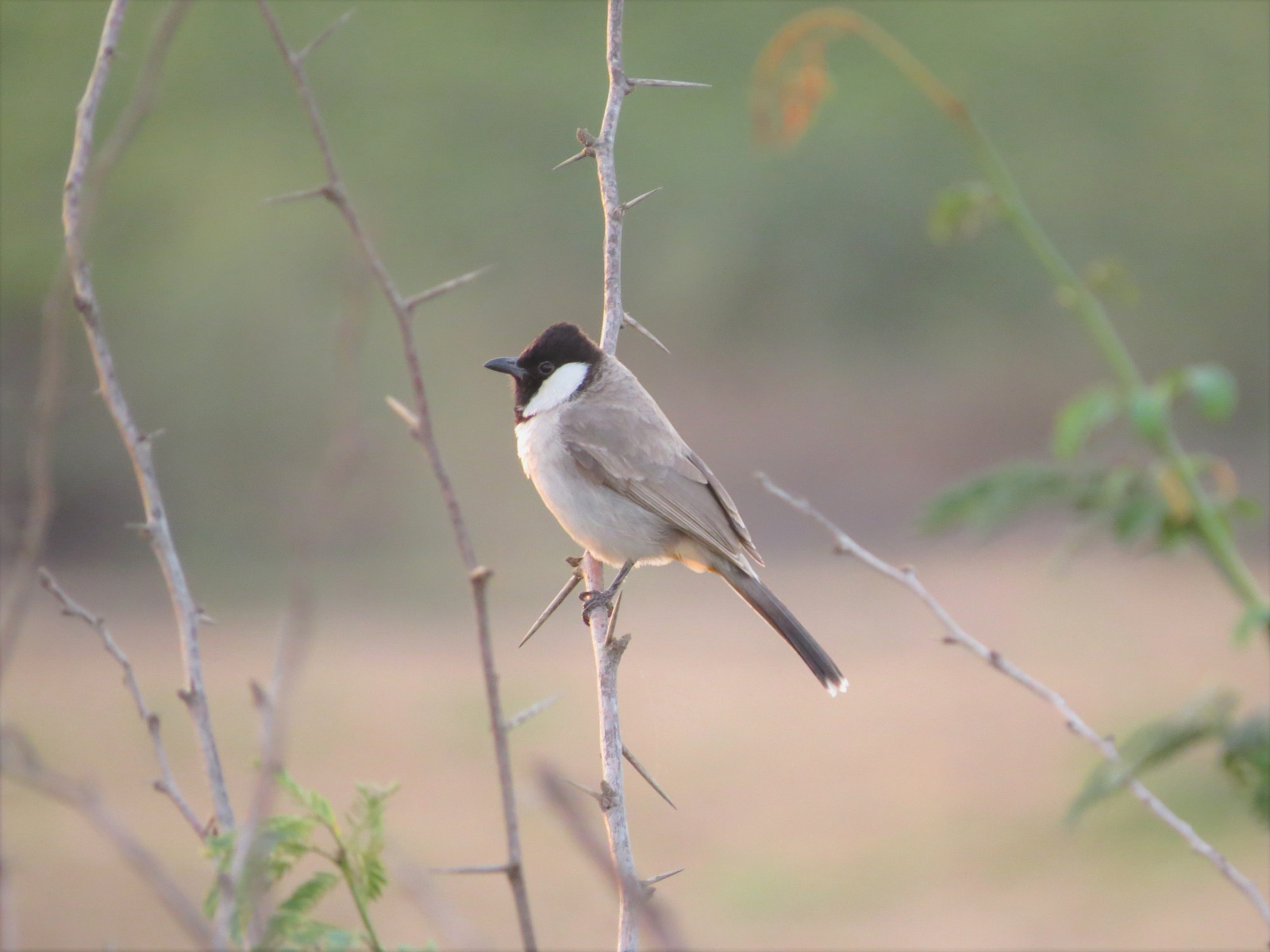
Common resident species include Gráspör, Díladúfa, and Hjarðmænir. In tree canopies and quieter corners, you might notice Flotmeisa and Eyrnaglymur. During migration seasons, especially in spring and autumn, species like Gransöngvari and Húsaskotta can appear, adding some seasonal interest.
What makes Laleh Park special is its combination of history, design, and everyday life. It’s not just a green space, but a lived-in part of Tehran where students, families, and elderly people share the same paths. The mature trees provide a sense of continuity with the past, and the mix of formal and informal garden styles makes it more visually varied than many newer parks. It’s a place where you can quietly watch birds while also observing the rhythm of city life around you.
Details
Access
Laleh Park is located in central Tehran, between Kargar Street (North & South) and Fatemi Street, close to major landmarks like the Tehran Museum of Contemporary Art. Getting there is easy. By public transport, the nearest metro stations are Meydan-e Enghelab Eslami Metro Station and Park-e Laleh Metro Station (1), both within walking distance. Buses and shared taxis also run frequently along the surrounding main streets.
If you’re coming by car, street parking is available around the park, though it can be busy, especially in the evenings and weekends. There’s no large dedicated parking lot inside, so you may need a short walk from where you park.
The park is best explored on foot. Its paths are flat and well-connected, making it ideal for a relaxed walk through different sections. Cycling is not very common inside, and driving is not allowed within the park itself.
For a visit, 1 to 2 hours is usually enough for a casual walk and some birdwatching, but you could easily spend longer if you want to sit, observe daily life, or explore nearby museums.



 ) to insert bird names in your own language. The birdnames will automatically be translated for other users!