
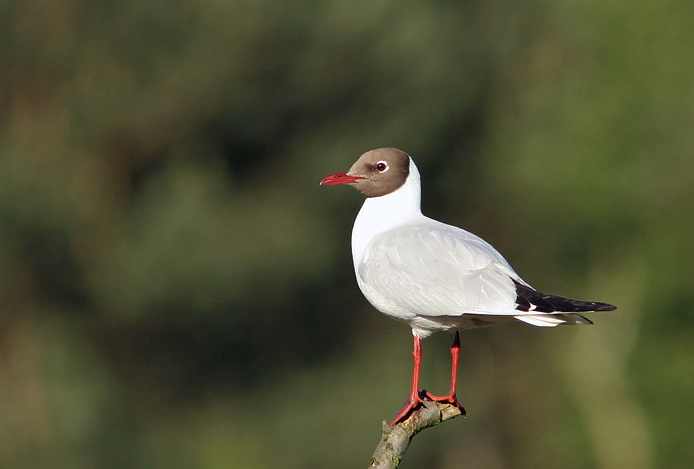

Description
The river Eo estuary is an excellent place to observe aquatic birds (ducks, gulls, waders, herons) and seabirds in general, especially during wintering and migration times. It is in the case of cold and stormy weather in Northern Europe that less common species can be seen. The tides condition the feeding behavior of the birds and also the best hours for their observation.
_________________________
Espagnol: El río Eo discurre entre Asturias y Galicia y desemboca en el Cantábrico formando una Ría de unos 10km de longitud y una anchura aprooximada de 1km. Se trata de un excelente lugar para observar aves acuáticas (anátidas, gaviotas, limícolas, ardeidas..) y aves marinas en general, especialamente durante la invernada y las épocas de paso. En el caso de olas de frío en el Norte de Europa es cuando se pueden ver especies menos habiituales. Las mareas condicionan el comportamiento alimentario de las aves y también las mejores horas para su observación.
Details
Access
There are various observation points, some of the best being in Ensenada de La Linera, on the Asturian margin of the Ría, especially between Figueras and Catropol. There are also points enabled on the Galician margin, near Ribadeo. The Los Santos Bridge crosses the Ría joining the two areas and limits in some way the marine area par excellence (Üstökös kárókatona, Kenti csér, Dankasirály, Sárgalábú sirály) of the area most frequented by waterfowl (herons, waders, ducks, etc.).
_________________________
Espagnol: Hay diversos puntos de observación, siendo algunoos de los mejores en la Ensenada de La Linera, en el margen Asturiano de la Ría, especialmente entre Figueras y Catropol. También hay puntos habilitados en el margen gallego, cerca de Ribadeo. El Puente de Los Santos cruza la Ría uniendo las dos Comunidades Autónomas y limita de algún modo la zona marina por excelencia (Cormorán moñudo, Gaviota patiamalilla, Gaviota reidora, Charrán patinegro, etc.) de la zona más frecuentada por de aves acuáticas (Ardeidas, limícolas, anátidas, etc.).
Terrain and Habitat
Wetland , Canyon/cliff , River , Sea , Reedbeds , BeachConditions
Open landscape , Rocky , Sandy , Wet , High water possibleCircular trail
YesIs a telescope useful?
Can be usefulGood birding season
All year roundBest time to visit
Winter , Autumn migration , Spring migrationRoute
Paved road , Unpaved roadDifficulty walking trail
EasyAccessible by
Foot , Bicycle , CarBirdwatching hide / platform
YesExtra info
In addition to sea and aquatic birds, you can find raptors such as Halászsas being common wintering, the Vándorsólyom the vörös vércse, the Kabasólyom or the Egerészölyv.
_________________________
Espagnol: Además de aves marinas y acuáticas, se pueden encontrar rapaces como el Halászsas siendo esta invernante habitual, el Vándorsólyom el vörös vércse, el Kabasólyom o el Egerészölyv.


 ) to insert bird names in your own language. The birdnames will automatically be translated for other users!