

Description
The path of Camino de la Retuerta starts in some livestock lands, where Sordély are abundant, and there is a big chance to encounter some sivatagi őrgébics. berki veréb roosts in the evening in the brambles on the left side, as well. Boulders in both sides of the path can host Kék kövirigó and Kuvik, which is also present in the farmland nearby. Some of the pastures can hold some water during the winter, and Havasi pityer is a regular winter visitor in small numbers. Even Kis sárszalonka has been spotted a couple of times.
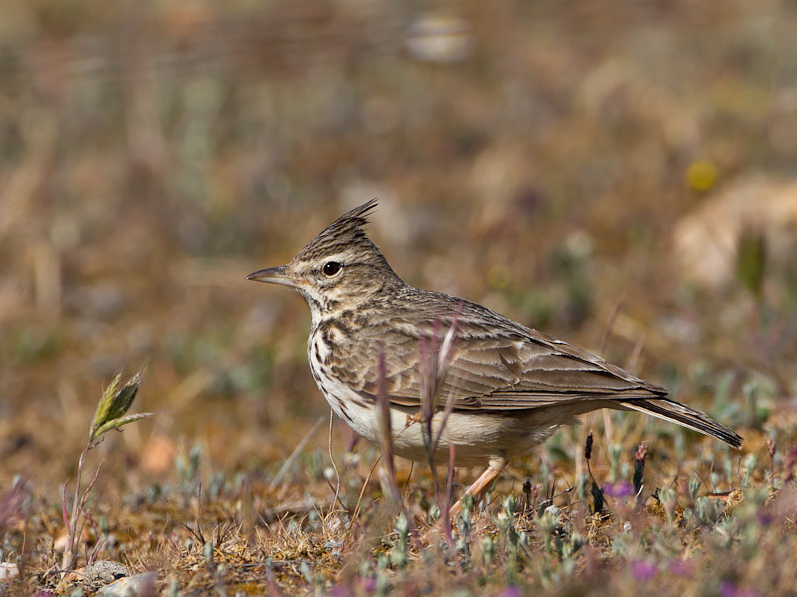
kövi pacsirta is common all along the way, and can be heard easily almost anywhere in this area. In spring and summer it is possible to hear Fürj in the grasslands. Spring migration is the best time to visit La Retuerta, when some of the passerines that breed in the place, as Bajszos poszáta and Déli geze are more abundant, and can be joined by some others as rozsdás csuk, Kerti rozsdafarkú, fitiszfüzike, Bonelli-füzike, Kerti poszáta and sárga billegető.
Manzanares river can be reached crossing the train tracks through the tunnel, giving the best chances for Sárgarigó, Kakukk, Ibériai kékszarka, Sövénysármány and big numbers of Gyurgyalag.
Raptors are common in the area, with ibériai sas being fairly easy to encounter, as Vörös kánya, Barátkeselyű and Fakó keselyű. Barna kánya and Törpesas are common in spring and summer, while Kígyászölyv is a luckier find.
szirtifecske and Havasi varjú breed in the quarries nearby and can be seen all year round. Bujkáló poszáta breeds in the brambles some years, together with the way more numerous Kucsmás poszáta.
_________________________
Español: El Camino de la Retuerta comienza en unas tierras ganaderas, donde abunda el Sordély y hay muchas posibilidades de encontrar sivatagi őrgébics. El berki veréb también aparece en las zarzas del margen izquierdo al atardecer. Entre los cantos rodados de ambos lados puede haber Kék kövirigó y Kuvik, también presentes en las zonas de cultivo cercanas. En los pastos puede quedar agua retenida en invierno y especies como el Havasi pityer son visitantes habituales en esas fechas, aunque en pequeño número. Incluso se ha visto Kis sárszalonka en un par de ocasiones.
La kövi pacsirta es frecuente a lo largo del camino y se la puede escuchar fácilmente en casi cualquier punto del recorrido. En primavera y verano es fácil escuchar Fürj en los pastizales. La migración de primavera es la mejor época para visitar La Retuerta, cuando algunos de los paseriformes que crían aquí, como la Bajszos poszáta y el Déli geze son más abundantes y se pueden sumar a otras especies como rozsdás csuk, Kerti rozsdafarkú, fitiszfüzike, Bonelli-füzike, Kerti poszáta y sárga billegető.
Se puede llegar al río Manzanares cruzando las vías del tren a través del túnel, lo que ofrece las mejores posibilidades para ver Sárgarigó, Kakukk, Ibériai kékszarka, Sövénysármány y grandes cantidades de Gyurgyalag.
Las aves rapaces son comunes en el área: el ibériai sas es bastante fácil de encontrar, así como Vörös kánya, Barátkeselyű y Fakó keselyű. Barna kánya y Törpesas abundan en primavera y verano, mientras que para ver Kígyászölyv hace falta un poco más de suerte.
El szirtifecske y la Havasi varjú crían en las canteras cercanas y están presentes todo el año. La Bujkáló poszáta cría en las zarzas, igual que la Kucsmás poszáta aunque esta última es mucho más numerosa.
Details
Access
The entry to Camino de la Retuerta is near the roundabout with a big anchor on the western outskirts of the town of Colmenar Viejo. Parking is very easy all along the street. The way to the river is very easy and can be done by bicycle or walking, without effort. Taking some northbound smaller paths can take you to the Camino de Santiago, making a circular route to Colmenar Viejo. The circular walking route indicated on the map is about 7 km.
_________________________
Español: La entrada al Camino de la Retuerta está cerca de la rotonda con un gran ancla en las afueras occidentales de Colmenar Viejo. El aparcamiento es muy fácil a lo largo de toda la calle. El camino hasta el río es muy fácil y se puede hacer en bicicleta o caminando, sin esfuerzo. Tomando algunos senderos más pequeños en dirección norte se puede llegar al Camino de Santiago, haciendo una ruta circular hasta Colmenar Viejo. La ruta circular a pie indicada en el mapa es de unos 7 km.


 ) to insert bird names in your own language. The birdnames will automatically be translated for other users!