
Description
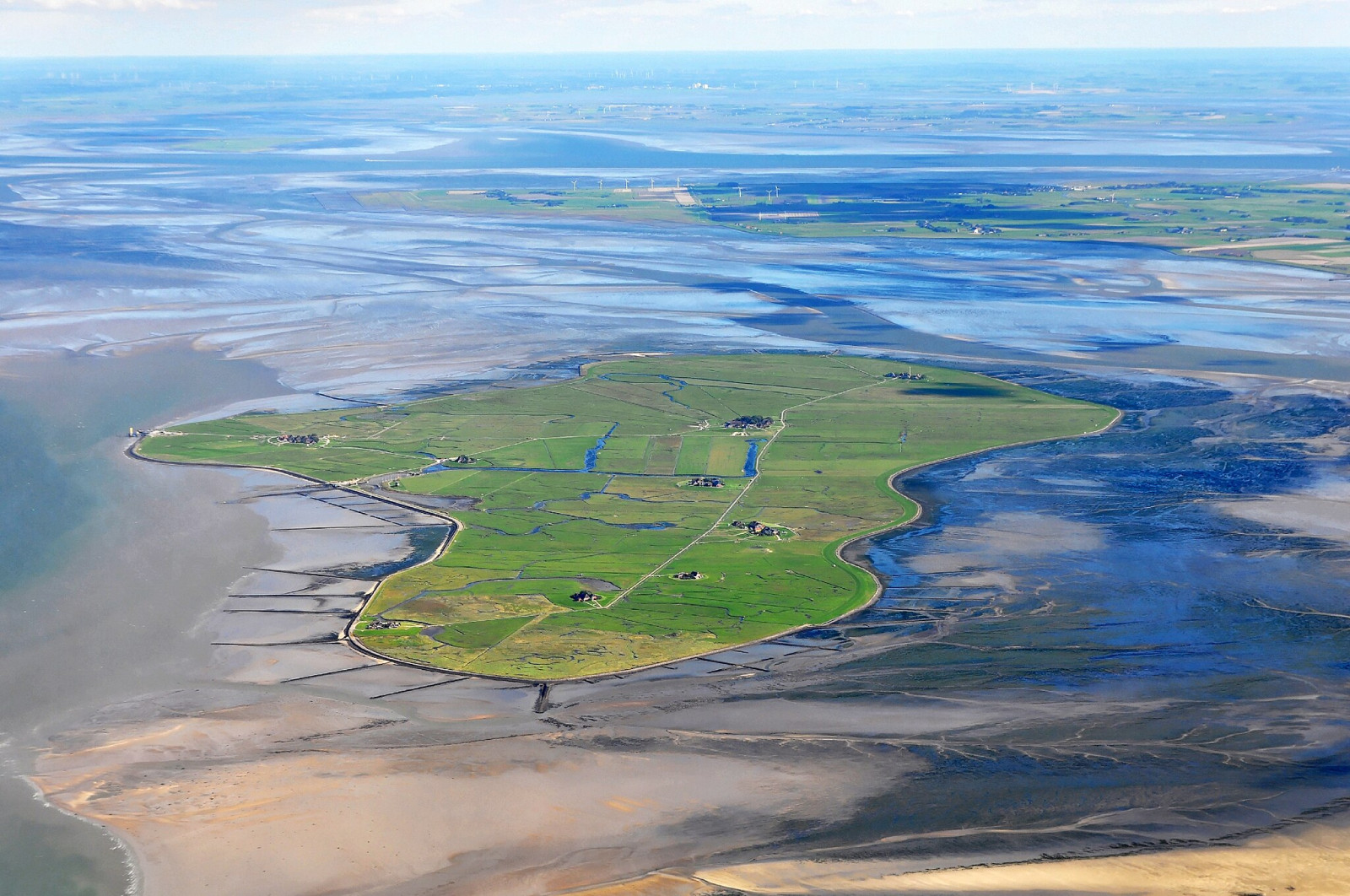
Hallig Hooge is characterized by large fallow areas, some of which are used for livestock farming. There are large areas of salt marsh on the east and west sides of the Hallig. While the North Sea is on the north side, large mudflats are exposed around the rest of the Hallig Hooge at low tide. Isolated hills with clusters of houses, small ponds and shrub structures allow very close observations of migrating songbirds, especially during migration periods.
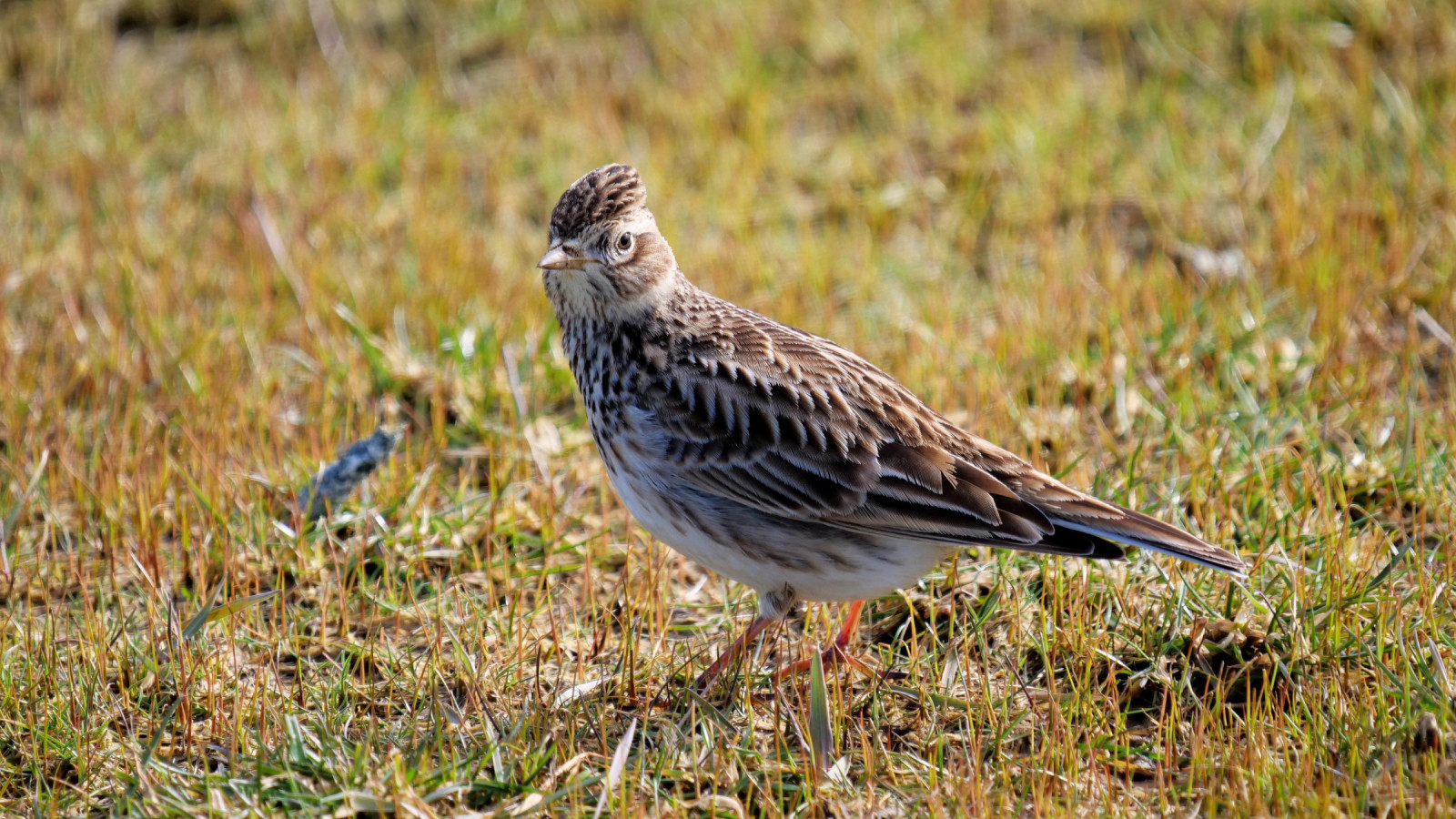
On a small sandbank on the northeastern side of Hallig Hooge is a hightide roost of waders and other waterbirds. But during very high tides the entire island is used as a roost. Breeding birds include Csigaforgató, Piroslábú cankó and Kis csér on the small sandbar. Other birds you can encounter are depending on the season Örvös lúd, Fütyülő réce, Bütykös ásólúd, Pehelyréce, Örvös bukó, Gulipán, Ezüstlile, Aranylile, Nagy póling, Kis goda, Parti lile, kőforgató, Havasi partfutó, Hantmadár, Réti pityer, Sarki csér, Küszvágó csér and Kenti csér. During migration time you can also encounter birds such as Vörösnyakú lúd, Hósármány, Tengeri partfutó, Vándorfüzike, Angliai barázdabillegető, Nyaktekercs and all types of songbirds like trushes and flycatchers.
Details
Access
Hallig Hooge can be reached by ferry from Schlüttsiel (see link below). Press P on the map for directions to Schlüttsiel. The crossing from Schlüttsiel to Hallig Hooge takes approximately 1 hour and 15 minutes. Every point on the island of Hallig Hooge itself is easily accessible on foot or by bike. You can get around on foot on the Warften (small hills, including clusters of houses and bush structures), but there are also some private properties and private paths.
Terrain and Habitat
Wetland , Grassland , Scattered trees and bushes , Plain , Sea , Dunes , Pond , Mud flats , Agriculture , Reedbeds , City/villageConditions
Flat , Hilly , Open landscape , High water possibleCircular trail
YesIs a telescope useful?
Can be usefulGood birding season
All year roundBest time to visit
Spring migration , Autumn migrationRoute
Paved road , Wide path , Unpaved road , Narrow trailDifficulty walking trail
EasyAccessible by
Foot , Bicycle , WheelchairBirdwatching hide / platform
NoExtra info
Vörösnyakú lúd Hegyi réce Fekete réce Kerceréce Nagy lilik Hegyi réce Kis vöcsök Kakukk Lappantyú Sarlósfecske Szárcsa Daru Bíbic Kis lile Havasi lile Sarlós partfutó Erdei szalonka Sárszalonka vékonycsőrű víztaposó billegetőcankó Erdei cankó Szürke cankó Ékfarkú halfarkas csüllő Lócsér Északi búvár Szula Kis kócsag Kanalasgém Halászsas Kékes rétihéja Énekes nádiposzáta cserregő nádiposzáta sisegő füzike Vándorfüzike Himalájai füzike Királyfüzike Szibériai csilpcsalpfüzike Hegyi fakusz Rövidkarmú fakusz Örvös rigó Léprigó Hantmadár hegyi billegető parti pityer Angliai barázdabillegető Grey-headed Wagtail (thunbergi) Sárga billegető ssp flavissima fenyőpinty sárgacsőrű kenderike Zsezse Nádi sármány Héja Gatyás ölyv Egerészölyv Jégmadár Nyaktekercs Kis sólyom Vándorsólyom Tövisszúró gébics Szarka Csóka Vetési varjú Dolmányos varjú havasi fülespacsirta Erdei pacsirta Kerti geze Foltos nádiposzáta


 ) to insert bird names in your own language. The birdnames will automatically be translated for other users!