Description
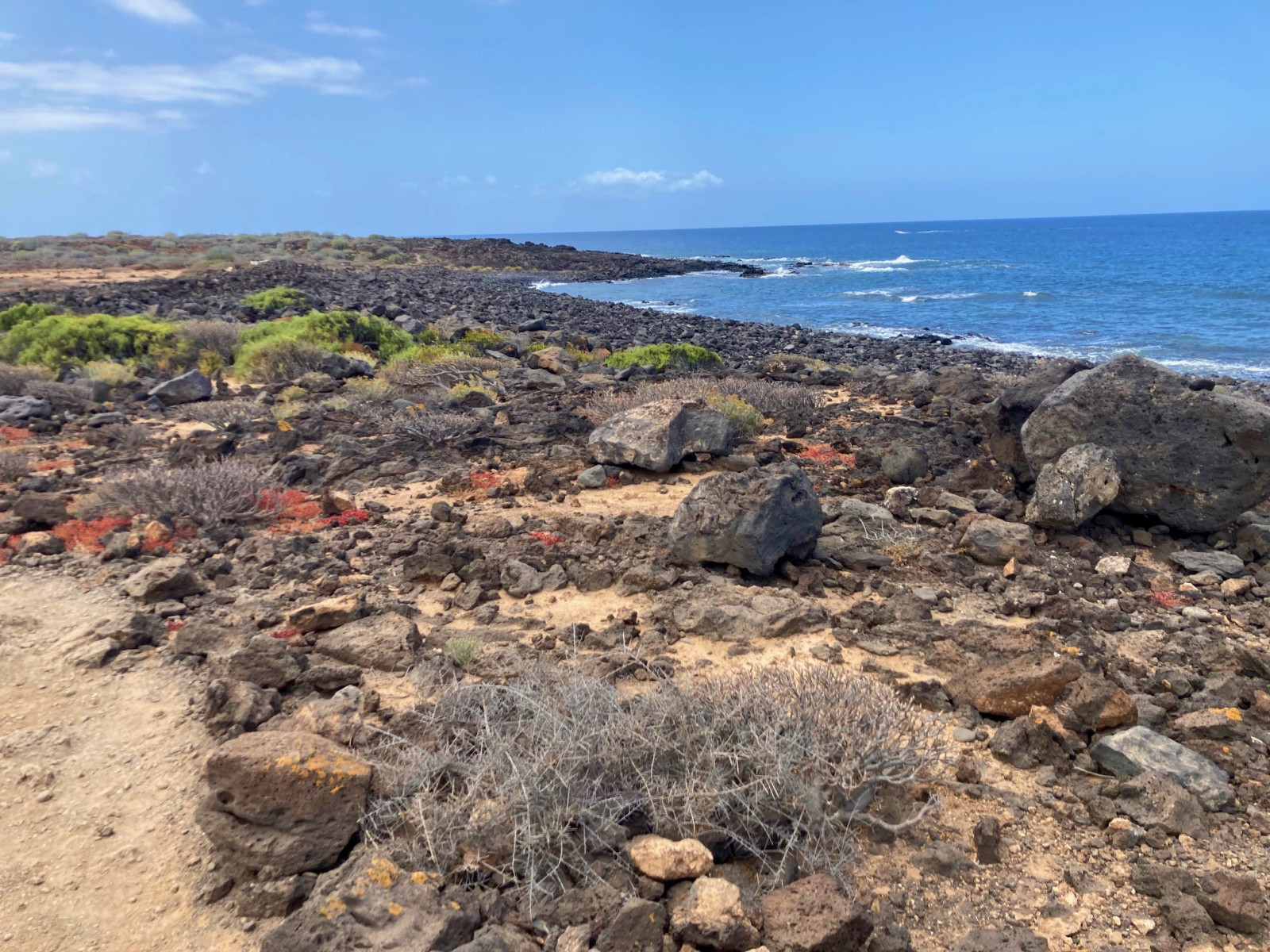
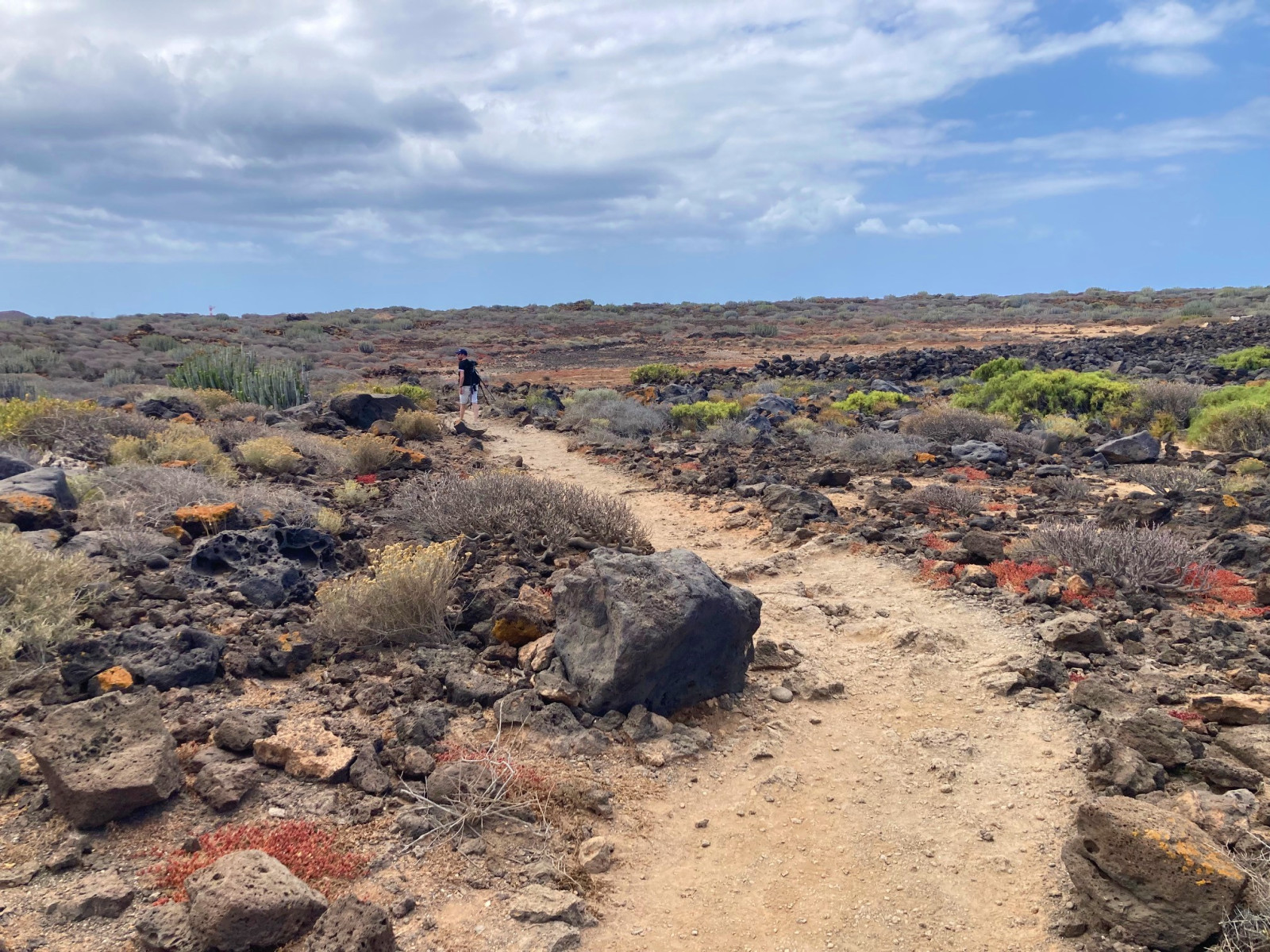
The Malpaís de Rasca nature reserve with its volcanic cones that dominate the area create a striking and unique coastal landscape. The other-worldly landscape is created by tongues of lava known as malpaís (meaning "bad country" because of its rough ground). The area is home to inland and coastal species of Canary Island spurges and euphorbia, as well as a number of native plant species.
Various species of sea birds and herons can be seen on the coastline and above sea. Especially during migration periods this is a nice area for birding and making the beautiful coastal walk to the lighthouse of Faro de Rasca. Among the birds you can see on the coastline during migration are Zlatar Pijukavac, Kameničak, Kulik Blatarić, Prugasti Pozviždač, Mala Prutka, Krivokljuna Prutka and Mala Bijela Čaplja. Birds out on see include mainly Veliki zovoj, Galeb klaukavac and sometimes other seabirds. Inland birds include Barbary Partridge, Veliki svračak, Zapadna grmuša and Berthelot's Pipit. Outside the migration period, the birding is far less interesting, although the walk to the lighthouse remains a great scenic hike.
Details
Access
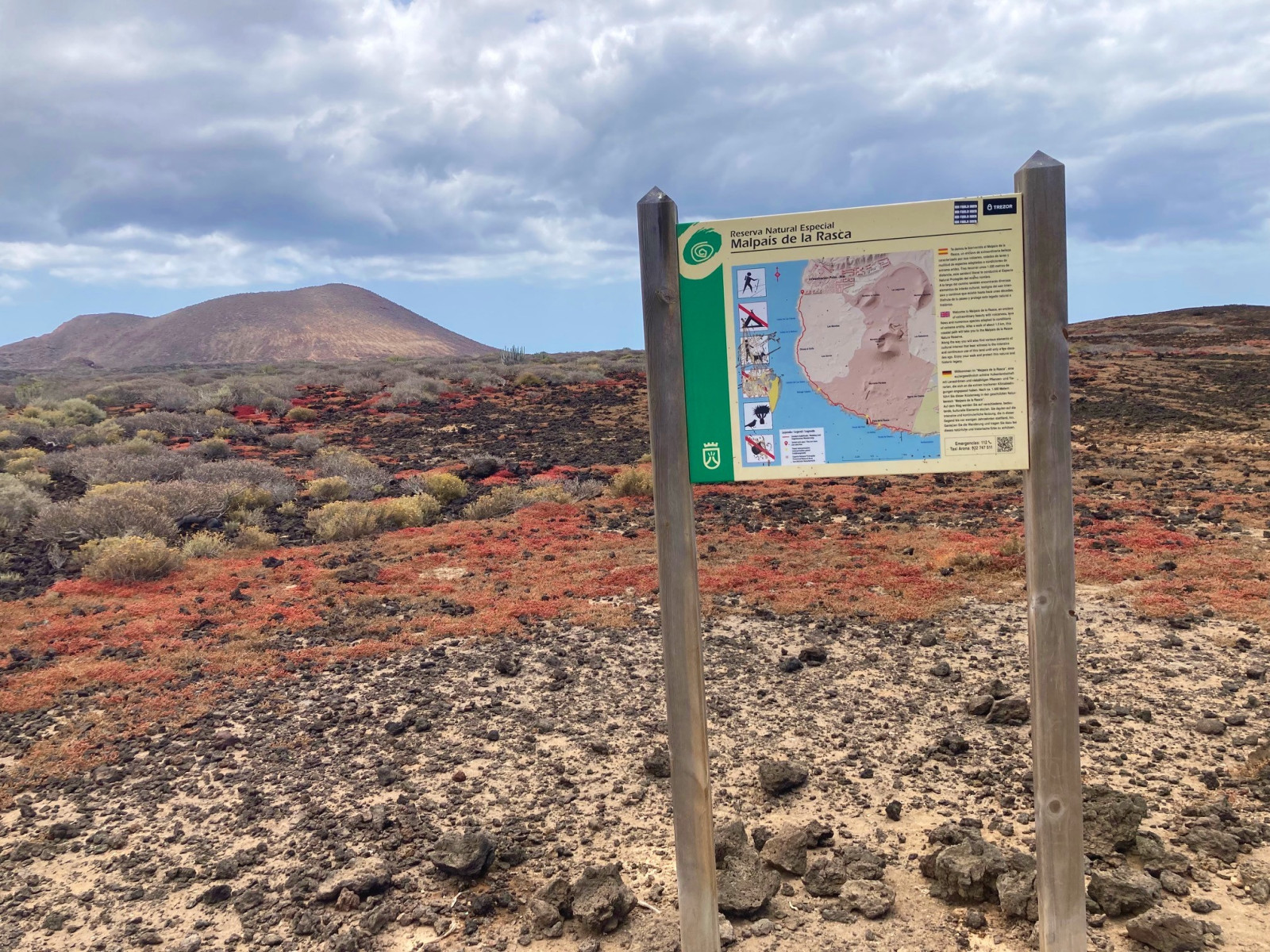
To reach Malpaís de Rasca, take the TF-1 motorway and turn off at Guaza. Head towards the village of El Palm-mar and park there on the edge of town at the beginning of the coastal path. Click on the P in the map for directions. In the nature reserve of Malpaís de Rasca, only access on the coastal path is allowed. The coastal path from El Palm-mar to the lighthouse is indicated on the map and is 3 km one way, and 6 km there and back.
Terrain and Habitat
Sea , Canyon/cliffConditions
No shadow , Open landscape , RockyCircular trail
NoIs a telescope useful?
YesGood birding season
All year roundBest time to visit
Spring migration , Autumn migrationRoute
Wide pathDifficulty walking trail
Average walkAccessible by
FootBirdwatching hide / platform
NoExtra info
For watching the seabirds out on sea a spotting scope is necessary. In order not to carry the telescope all the way to the lighthouse, you can also use the viewpoint at the beginning of the walk for seabird watching.


 ) to insert bird names in your own language. The birdnames will automatically be translated for other users!