Description
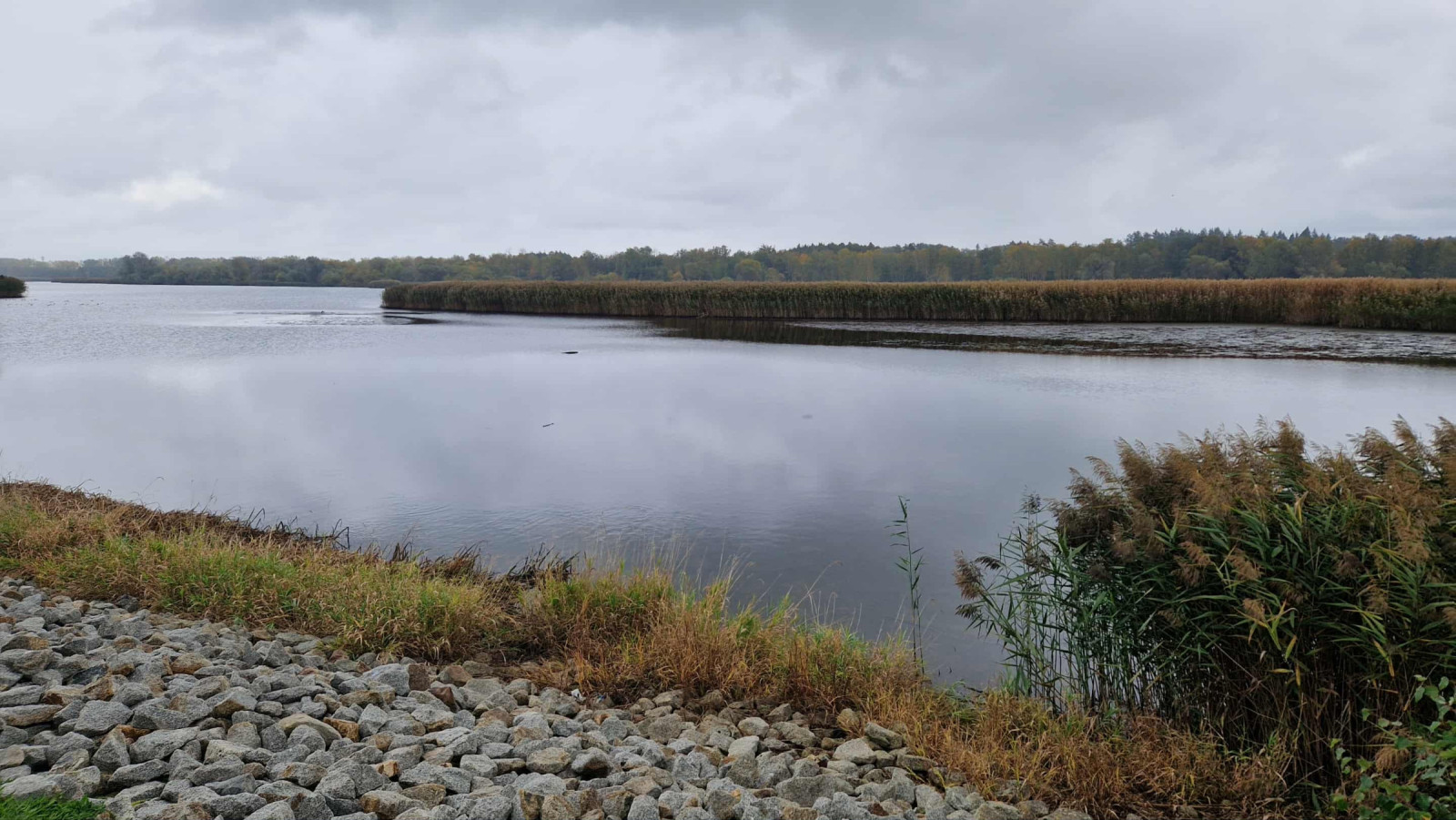
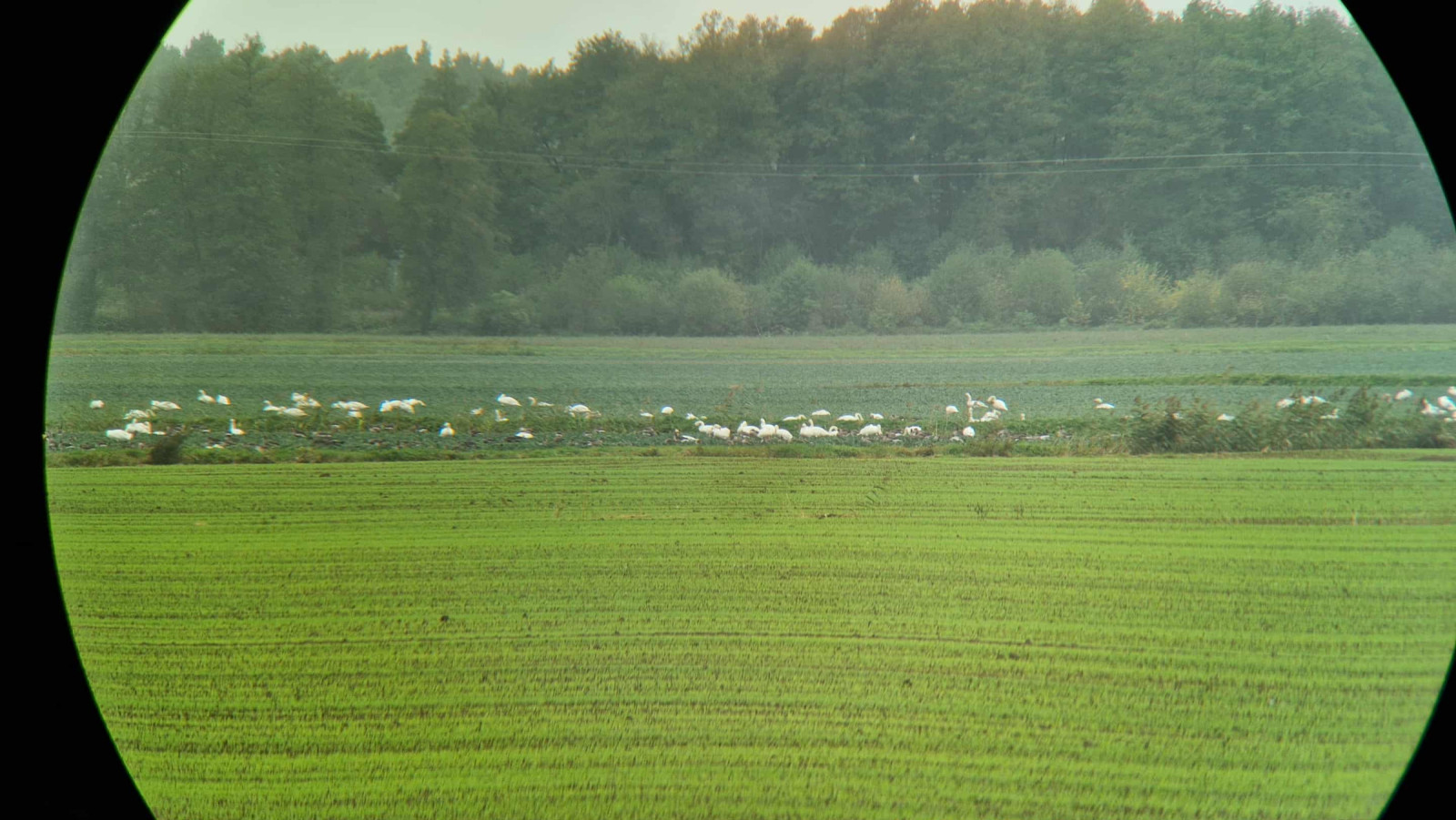
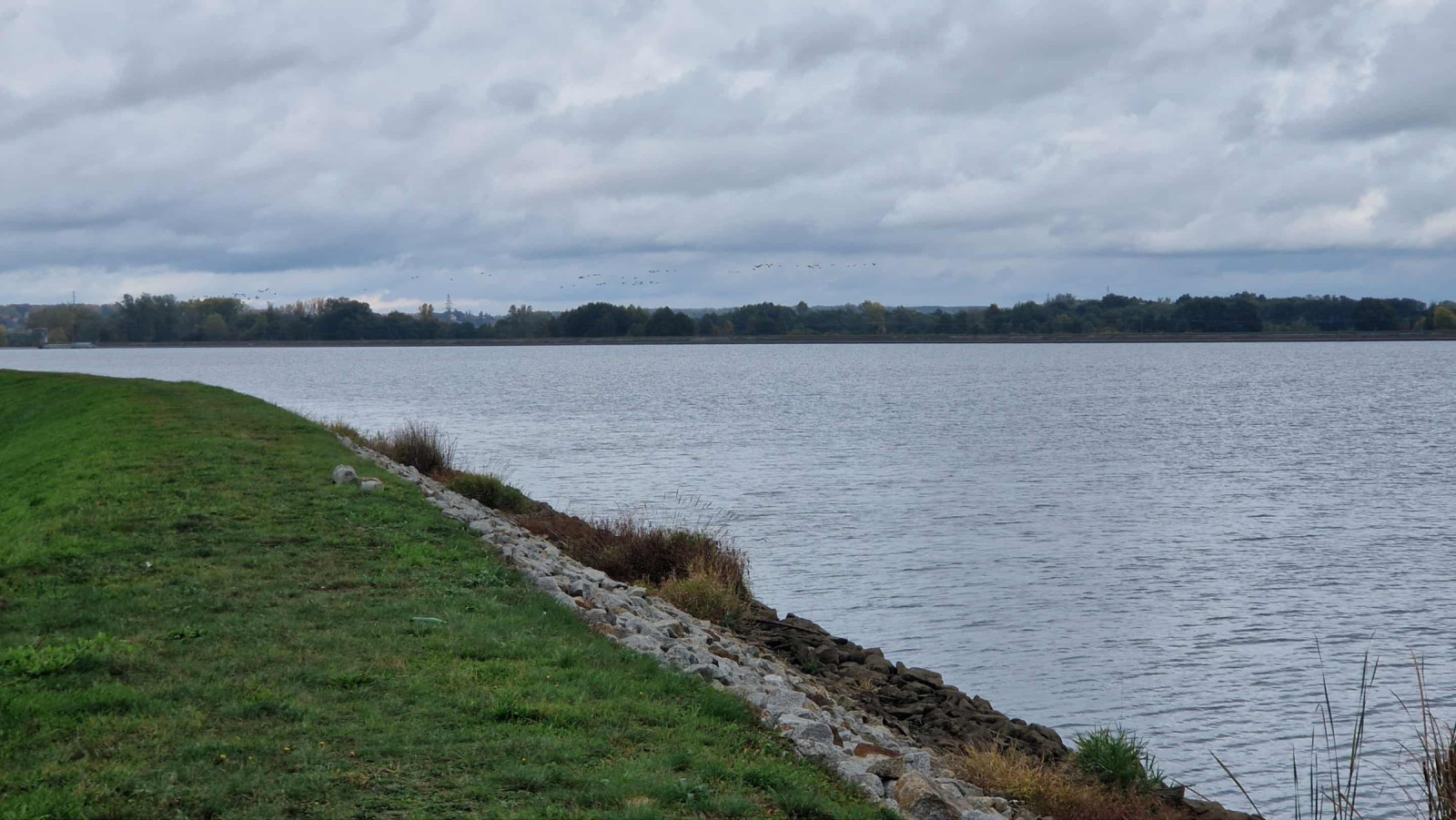
Raduszecki Reservoir (Zbiornik Raduszecki) is quite narrow along its entire length, a maximum of 500 meters, and is surrounded by embankments. This provides excellent views of the entire reservoir and the birds within, especially from the western bank. Furthermore, the fields west of the reservoir are also a convenient place to observe feeding geese and swans. Another advantage is the proximity of the Oder River Valley, an important bird migration corridor, which undoubtedly influences the bird population.
The reservoir is primarily an excellent place to observe geese: Siva Guska, Tundra guska, Lisasta Guska, Sjevernomorska guska and the rarer Mala guska and Crvenovrata guska. You can also observe all three species of swans here: Crvenokljuni Labud, Žutokljuni Labud, and Mali labud. In the autumn-winter-spring period, there is also a chance to see sea ducks: Patka kulašica, Patka crninka, and, less frequently Crna patka. Bijeli ronac also appear regularly. During migration periods, a number of duck and plover species can also be observed. In the southern part of the reservoir, there are wider strips of reeds - a good place to observe: Brkata Sjenica and Bukavac. The most interesting birds of prey species that can be regularly observed here include: Crvena lunja, Crna lunja, Štekavac, Bukoč.
_________________________
Polski: Zbiornik na całej długości jest dość wąski, maksymalnie 500 m oraz jest otoczony wałami. Dzięki temu, szczególnie z zachodniego brzegu, jest doskonały widok na cały zbiornik i przebywające tam ptaki. Dodatkowo, pola znajdujące się na zachód od zbiornika to także dogodne miejsce obserwacji żerujących gęsi i łabędzi. Dodatkowym atutem jest bliskość doliny Odry, ważnego korytarza migracyjnego ptaków, co niewątpliwie wpłwa na obecność ptaków.
Zbiornik to przede wszystkim doskonałe miejsce obserwacji gęsi: Siva Guska, Tundra guska, Lisasta Guska, Sjevernomorska guska oraz rzadszych Mala guska czy Crvenovrata guska. Można tu także obserwować wszystkie trzy gatunki łabędzi: Crvenokljuni Labud, Žutokljuni Labud oraz Mali labud. W okresie jesienno-zimowo- wiosennym jest także szansa na morskie kaczki: Patka kulašica, Patka crninka oraz rzadziej Crna patka . Regularnie pojawiają się także Bijeli ronac. W okresach migracji można obserwować także szereg gatunków kaczek oraz siewek. W południowej części zbiornika, znajdują się szersze pasy trzciny- dobre miejsce do obserwacji: Brkata Sjenica, Bukavac. Z ciekawszych gatunków ptaków szponiastych, regularnie można tu obserwować: Crvena lunja, Crna lunja, Štekavac, Bukoč.
Details
Access
The best access is by car from the west, along the road towards the village of Nowy Raduszec. There are several parking spots along the reservoir, but I recommend parking at the bend in the road. The best route is along the embankment, which offers excellent views of the reservoir and surrounding fields.
_________________________
Polski: Najlepszy dojazd autem od zachodniej strony, szosą w kierunku wsi Nowy Raduszec. Wzdłuż zbiornika można zostaić auto w kilku miejscach, ale polecam zaarkować na zakręcie drogi. Najpiej poruszać się wałem, z którego jest doskonały widok na zbiornik oraz okoliczne pola.
Terrain and Habitat
Valley , Lake , Reedbeds , AgricultureConditions
Flat , Wet , No shadow , High water possible , Open landscapeCircular trail
NoIs a telescope useful?
Can be usefulGood birding season
All year roundBest time to visit
Spring , Winter , Autumn migration , Spring migrationRoute
Paved road , Wide path , Unpaved roadDifficulty walking trail
EasyAccessible by
Foot , Bicycle , CarBirdwatching hide / platform
NoExtra info
See a link to a video of the reservoir below.
_________________________
Polski: Pod linkiem film ze zbiornika.




 ) to insert bird names in your own language. The birdnames will automatically be translated for other users!