Charger images
Les formats d'image autorisés sont de type jpeg, png ou gif
La taille maximale du fichier doit être de 20MB
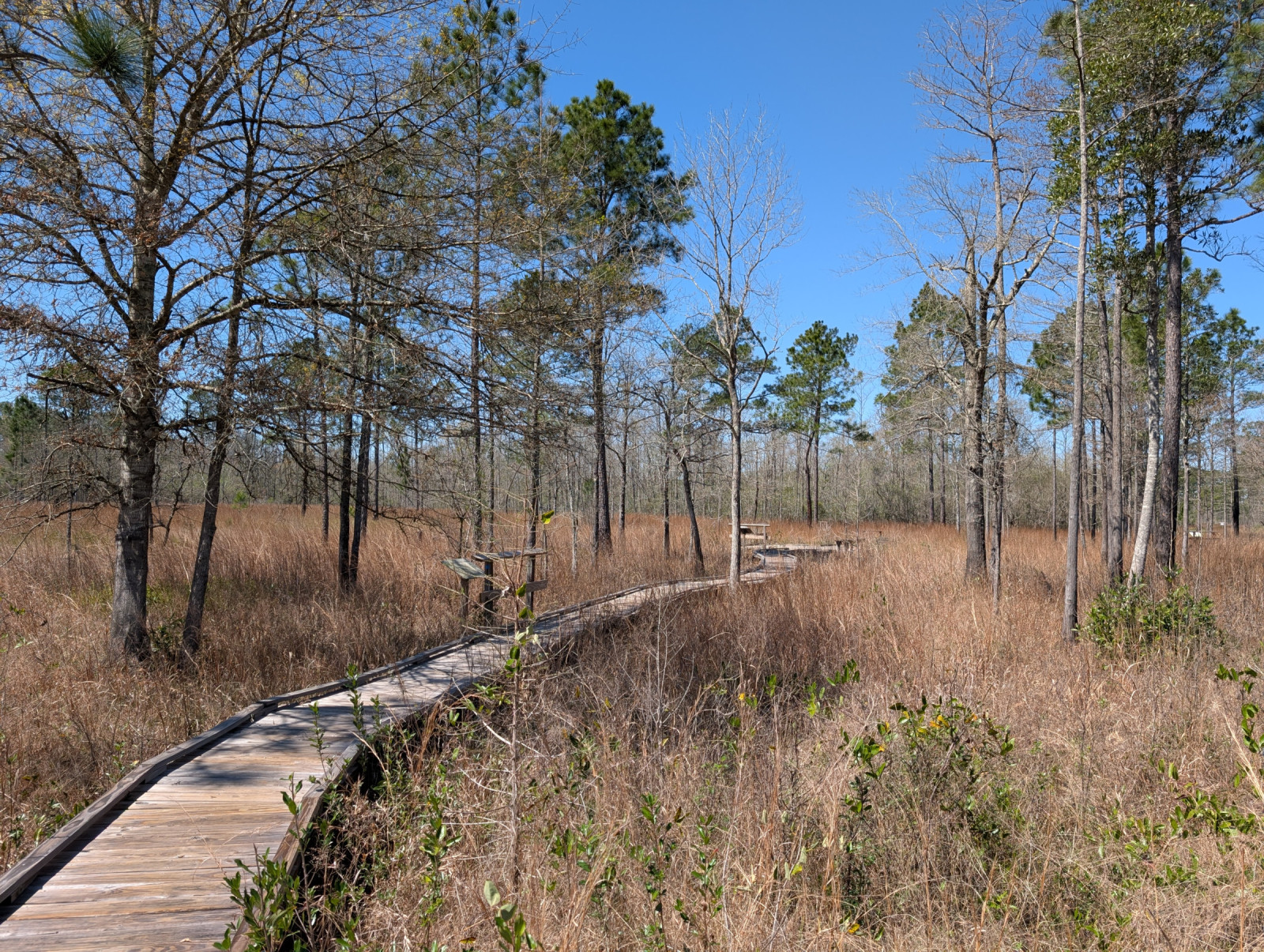
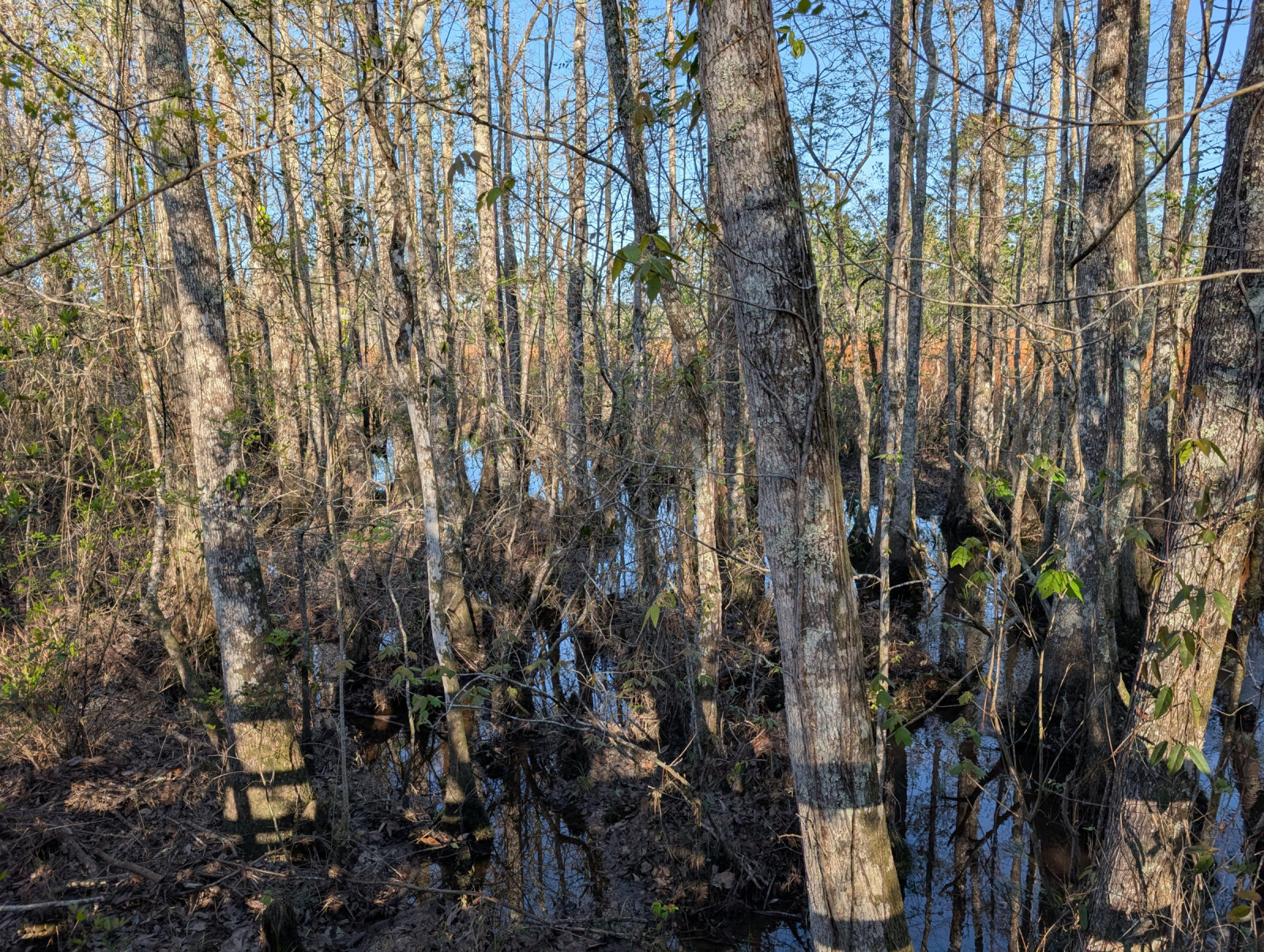
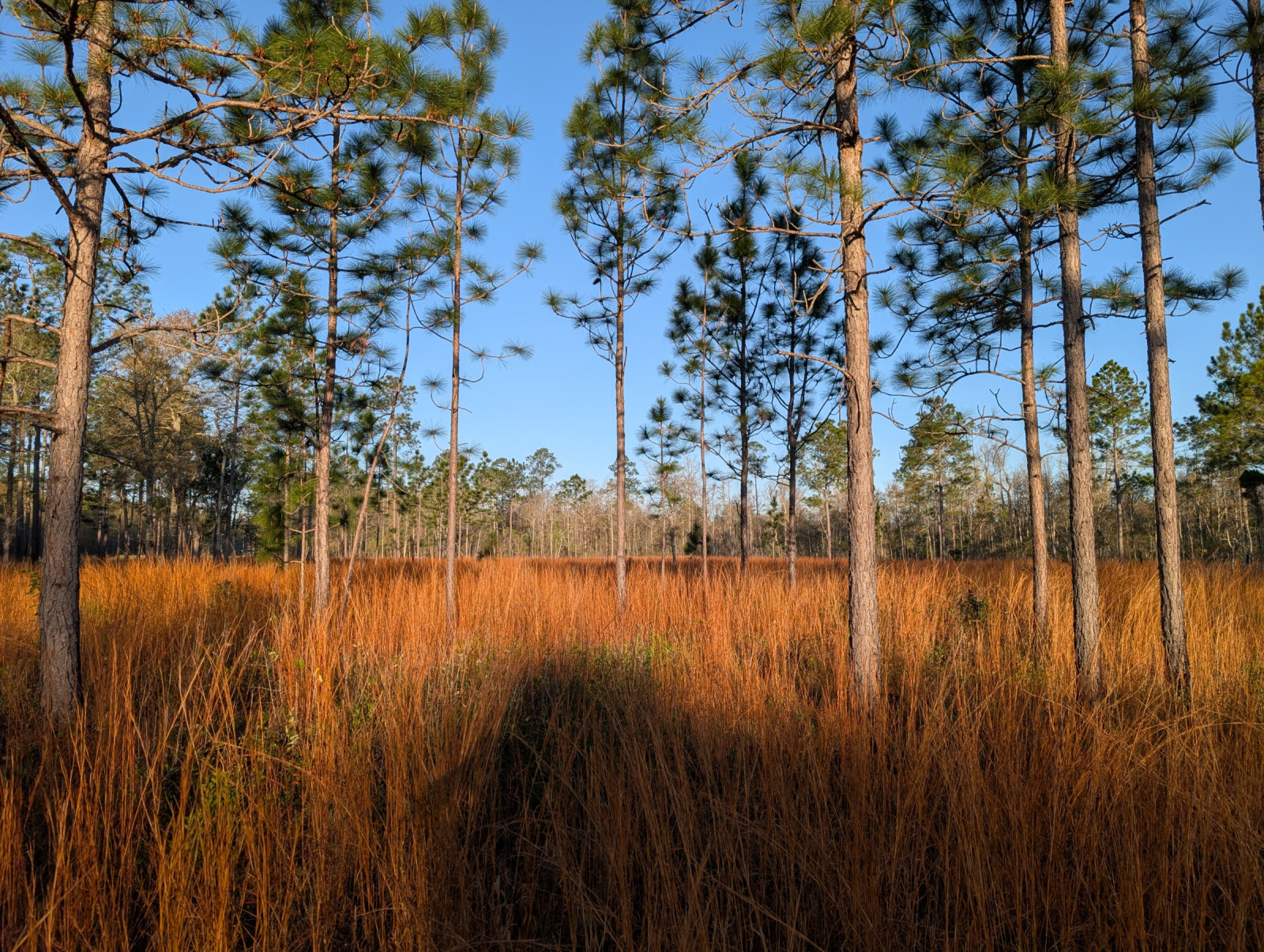
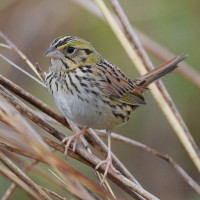
Features long-leaf pine savannah, slash pine/pond cypress and bay head swamp with extensive trails. Excellent site for Bachman's Sparrow and Henslow's Sparrow.
Abita Creek Flatwoods Preserve is one of the few locations left of longleaf pine savannah. This site also features flatwoods, bayhead swamp and slash pine/pond cypress ecosystems. The savannah and flatwoods are large areas of tall grass and sedge with isolated trees and bushes. The creek flowing through it features a narrow dense riparian ecosystem. There is a well-maintained boardwalk providing a relatively short easy path through examples of all the ecosystems present.
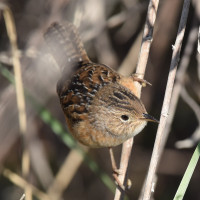
Winter is good for Sedge Wren, Henslow's Sparrow, Savannah Sparrow, Song Sparrow, Chipping Sparrow and White-throated Sparrow. The flatwoods are maintained by periodic burning leading to fluctuations in population for the already uncommon Henslow's Sparrow. Eastern Towhee arrives for the summer.
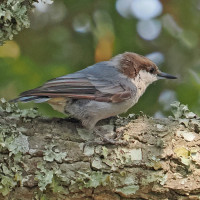
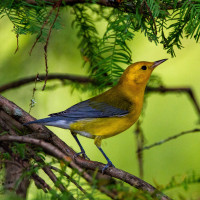
Common Yellowthroat, Pine Warbler and Brown-headed Nuthatch are present all year. Northern Parula and Prothonotary Warbler breed here. Other breeding season birds include Summer Tanager, Blue Grosbeak, and Indigo Bunting.
Abita Creek Flatwoods Preserve is located West Northwest of Abita Springs, Louisiana on on the north side of LA 435. Google Maps correctly takes you to the site on "Unnamed Road". Although the turn-in is marked the sign is small and the turn easily missed.
Access is by car. There is no public transportation. Note that parking is very limited and one can easily be blocked in.
The spot can only be birded on foot. There is a well maintained board walk and several less developed but quite clear trails allowing several miles of walking if so desired. There are two road beds crossing the preserve that also allow easy walking to observe. Be aware that after a rain the area can be flooded and impassable. Allow at least an hour to cover the area well. The circular walking route shown on the map is about 0,7 mile in length.
In addition to good birding the Preserve also features twenty-four species of rare, threatened or endangered plants. Specialties are carnivorous pitcher plants and sundews. The pitcher plants bloom in late March to early April and are easy to find.
 ) Insérez les noms d'oiseau dans votre langue. Ils seront automatiquement traduits pour les autres usagers !
Votre feedback sera transmis à l’auteur.rice de cette zone et à l’équipe éditoriale de Birdingplaces, qui l’utiliseront pour améliorer la qualité des informations. (Vous souhaitez publier un commentaire visible en bas de page ? Fermez cette fenêtre et choisissez l’Option 1 : « Publier un commentaire, un conseil ou une observation ».)
Veuillez fournir des suggestions d'améliorations ou d'ajouts au texte de ce site ornithologique.
Veuillez fournir vos suggestions d'améliorations ou d'ajouts à la carte.
Veuillez fournir des suggestions d'améliorations ou d'ajouts à la liste des oiseaux.
Cliquez sur l'icône de l'oiseau () Insérez les noms d'oiseau dans votre langue. Ils seront automatiquement traduits pour les autres usagers !