



Charger images
Les formats d'image autorisés sont de type jpeg, png ou gif
La taille maximale du fichier doit être de 20MB


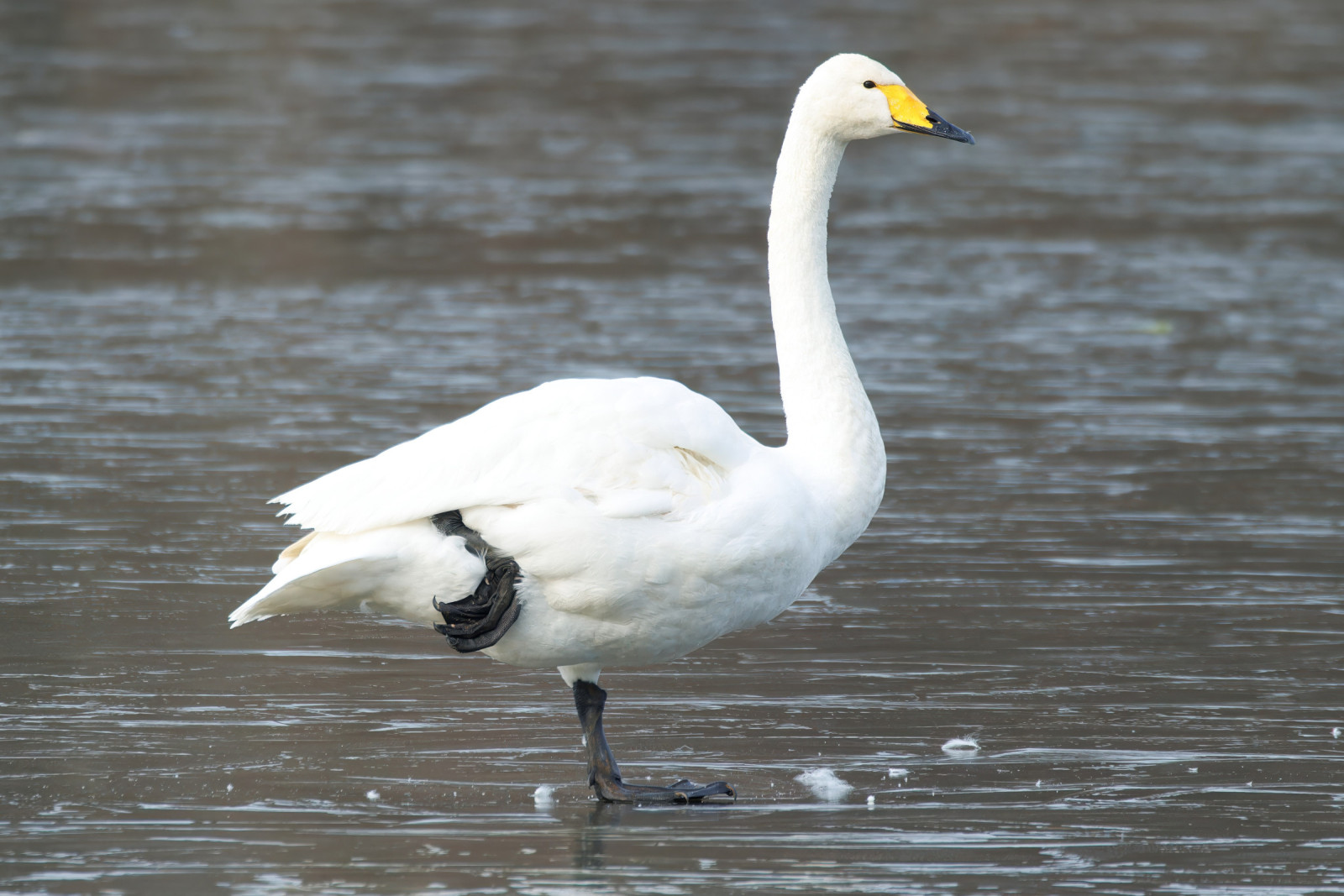
One of the few wetlands left in west Scotland. Good spot to see Cygne chanteur.
Lochwinnoch wetland is a mixture of broadleaved woodland, open water and marshy areas with some floating fen. In Spring Grèbe huppé perform their courtship rituals. Phragmite des joncs and Locustelle tachetée can be heard singing from the wetter areas of the reserve. Also Pouillot fitis, Pouillot véloce, Fauvette des jardins, Fauvette à tête noire, Fauvette babillarde and Fauvette grisette in the woods. Râle d'eau can be heard squealing from the reedbed areas.
In Autumn you can see large gatherings of Hirondelle rustique, often roosting in the wetland vegetation, preparing for their long southward journeys. Flocks of Grive mauvis and Grive litorne arrive to strip the trees of their wild fruits. Look up and you might catch sight of mixed flocks of tits, Roitelet huppé and Grimpereau des bois in the woodland.
In Winter a wide variety of ducks arrive along with variable numbers of Cygne chanteur. At this time of year there are frequent sightings of Busard Saint-Martin and other birds of prey. Martin-pêcheur d'Europe are present, often affording excellent views.
Vanneau huppé and Bécassine des marais are seen regularly on the scrape built behind the visitor centre, which can be viewed from inside, including from the viewing tower upstairs. The scrape also attracts Barge à queue noire and other waders, such as Chevalier gambette, Bécasseau variable, Courlis cendré, Grand Gravelot, Courlis corlieu and sandpipers. Mouette rieuse breed on the floating platforms on Aird Meadow. On the south side of the area Barr Loch also attracts good numbers of Grèbe huppé, ducks and swans.
By train: Lochwinnoch railway station is situated 400 metres south-east of the visitor centre.
By bus: Nearest bus stops are on the A737 at Roadhead roundabout (at grid reference: NS 350 586, 750 metres south-east of the reserve entrance) and on the A760 at Newton of Barr (at NS 366 577, 1.2 km north-west of the entrance).
By bike: National Cycle Route 7 runs through the reserve, adjacent to the A737.
By road: The reserve is located 18 miles south-west of Glasgow, beside the A760 Largs Road, which is off the A737 Irvine Road (easily reached from the M8 at Junction 28A). Car parking facilities are available.
There is a visitor centre and different hides and trails to explore the area.
 ) Insérez les noms d'oiseau dans votre langue. Ils seront automatiquement traduits pour les autres usagers !
Votre feedback sera transmis à l’auteur.rice de cette zone et à l’équipe éditoriale de Birdingplaces, qui l’utiliseront pour améliorer la qualité des informations. (Vous souhaitez publier un commentaire visible en bas de page ? Fermez cette fenêtre et choisissez l’Option 1 : « Publier un commentaire, un conseil ou une observation ».)
Veuillez fournir des suggestions d'améliorations ou d'ajouts au texte de ce site ornithologique.
Veuillez fournir vos suggestions d'améliorations ou d'ajouts à la carte.
Veuillez fournir des suggestions d'améliorations ou d'ajouts à la liste des oiseaux.
Cliquez sur l'icône de l'oiseau () Insérez les noms d'oiseau dans votre langue. Ils seront automatiquement traduits pour les autres usagers !