


Charger images
Les formats d'image autorisés sont de type jpeg, png ou gif
La taille maximale du fichier doit être de 20MB
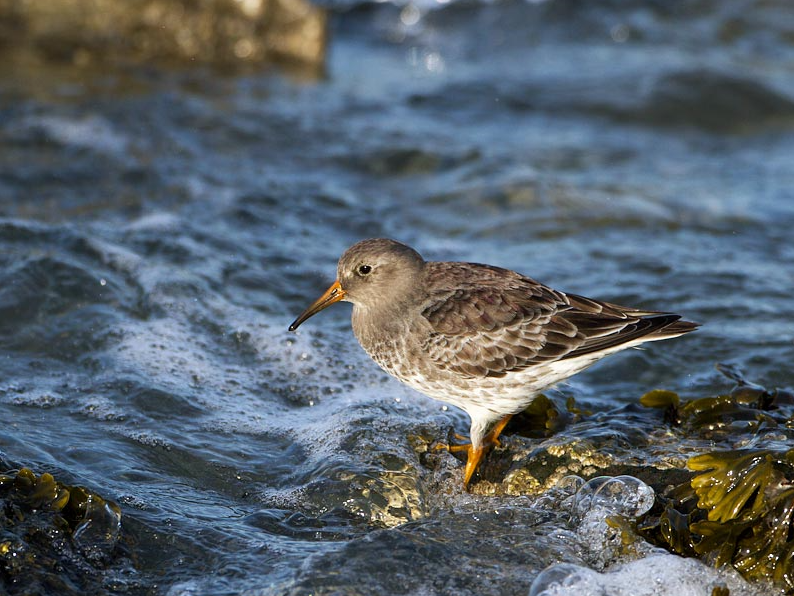
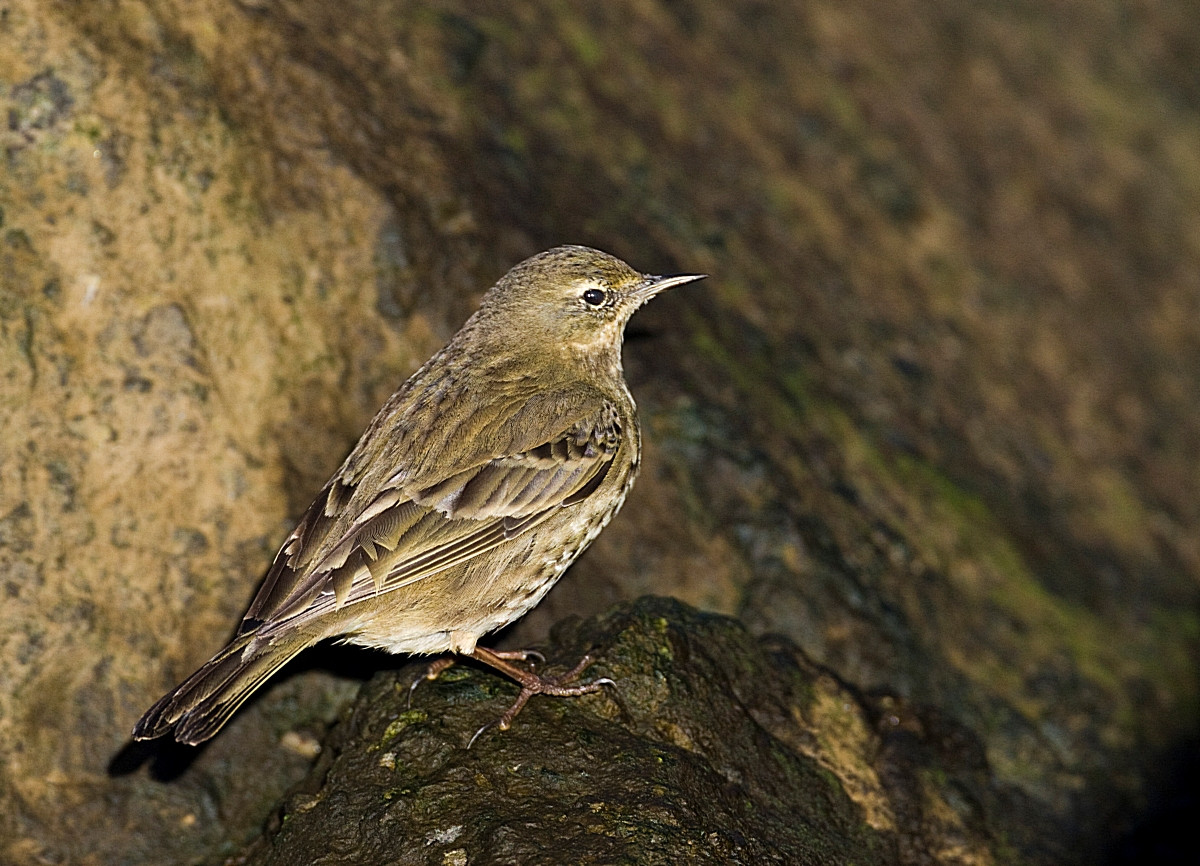

This is the Isle of Portland's southern tip, a 6-mile promontory into the English Channel. The coast is rocky; there are open fields, grassland and quarries.
The topography concentrates off-shore seabird passage and various unusual land and shore species can be seen. The west side of the Bill consists of sea cliffs and the land slopes down towards the south-east. The cliffs provide nesting places for Guillemot de Troïl and Pingouin torda, which also congregate on the sea. The grassland and scrub south of the Coastguard buildings are worth patient inspection for resident and passage species.
The principal interest is from migration: this is an important landfall and departure point for spring and autumn migrations. If migratory rarities are the principal interest, it's recommended to monitor sightings before making the journey from the "mainland", otherwise there's usually something of interest and the location is exceptional.
The location is accessible by car or bus. There's a large carpark and a tourist shop. The area is best searched on foot and wheelchair access isn't always possible. The postcode of the Bird Observatory is DT5 2JT, the car park is further on.
Visitors are welcome into the Bird Observatory, but it's not a right, people live here.
The nesting areas on the western sea cliffs are best viewed from north of the defence buildings - take care, the cliff edge is unfenced. There's an abandoned quarry near the cottages and Observatory where a Chevêche d'Athéna has been a reliable resident (as at 2021).
The area is popular with visitors, so expect shore birding to be interrupted by trippers. An early start is recommended to avoid crowds and parking stress.
 ) Insérez les noms d'oiseau dans votre langue. Ils seront automatiquement traduits pour les autres usagers !
Votre feedback sera transmis à l’auteur.rice de cette zone et à l’équipe éditoriale de Birdingplaces, qui l’utiliseront pour améliorer la qualité des informations. (Vous souhaitez publier un commentaire visible en bas de page ? Fermez cette fenêtre et choisissez l’Option 1 : « Publier un commentaire, un conseil ou une observation ».)
Veuillez fournir des suggestions d'améliorations ou d'ajouts au texte de ce site ornithologique.
Veuillez fournir vos suggestions d'améliorations ou d'ajouts à la carte.
Veuillez fournir des suggestions d'améliorations ou d'ajouts à la liste des oiseaux.
Cliquez sur l'icône de l'oiseau () Insérez les noms d'oiseau dans votre langue. Ils seront automatiquement traduits pour les autres usagers !