


Charger images
Les formats d'image autorisés sont de type jpeg, png ou gif
La taille maximale du fichier doit être de 20MB
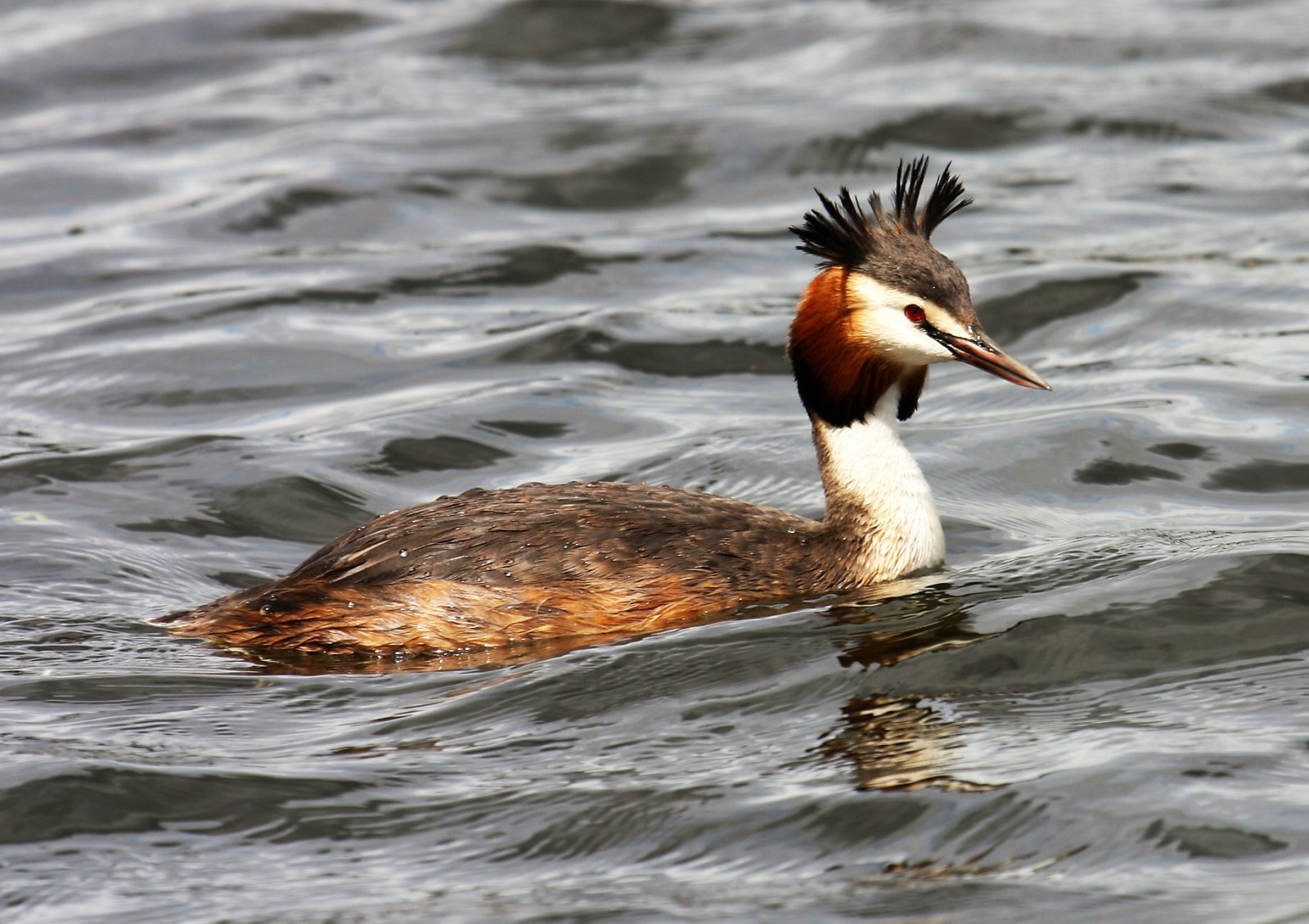


Linlithgow Loch was formed over 10,000 years ago by a retreating glacier and is one of only two natural lowland lochs in the Lothians.
Designated as a Site of Special Scientific Interest, Linlithgow Loch is noted for its emergent aquatic plant species and for its wildfowl. Of particular interest are populations of breeding Grèbe castagneux and Grèbe huppé, which can be seen all year round. The Loch also support some of the largest flocks of Foulque macroule, Cygne tuberculé and Fuligule morillon to be found in the Lothians. In winter this population is joined by Fuligule milouin, Garrot à oeil d'or and Oie cendrée.
Linlithgow Loch lies immediately north of the town of Linlithgow. There are several car parks close to the lake. Click on a P in the map for directions. Car park by Palace locked in the evening, other gates remain open. A circular walk around the lake is about 2,3 miles (4 km).
 ) Insérez les noms d'oiseau dans votre langue. Ils seront automatiquement traduits pour les autres usagers !
Votre feedback sera transmis à l’auteur.rice de cette zone et à l’équipe éditoriale de Birdingplaces, qui l’utiliseront pour améliorer la qualité des informations. (Vous souhaitez publier un commentaire visible en bas de page ? Fermez cette fenêtre et choisissez l’Option 1 : « Publier un commentaire, un conseil ou une observation ».)
Veuillez fournir des suggestions d'améliorations ou d'ajouts au texte de ce site ornithologique.
Veuillez fournir vos suggestions d'améliorations ou d'ajouts à la carte.
Veuillez fournir des suggestions d'améliorations ou d'ajouts à la liste des oiseaux.
Cliquez sur l'icône de l'oiseau () Insérez les noms d'oiseau dans votre langue. Ils seront automatiquement traduits pour les autres usagers !