 Peter Watthy.jpg)



Charger images
Les formats d'image autorisés sont de type jpeg, png ou gif
La taille maximale du fichier doit être de 20MB
 Peter Watthy.jpg)
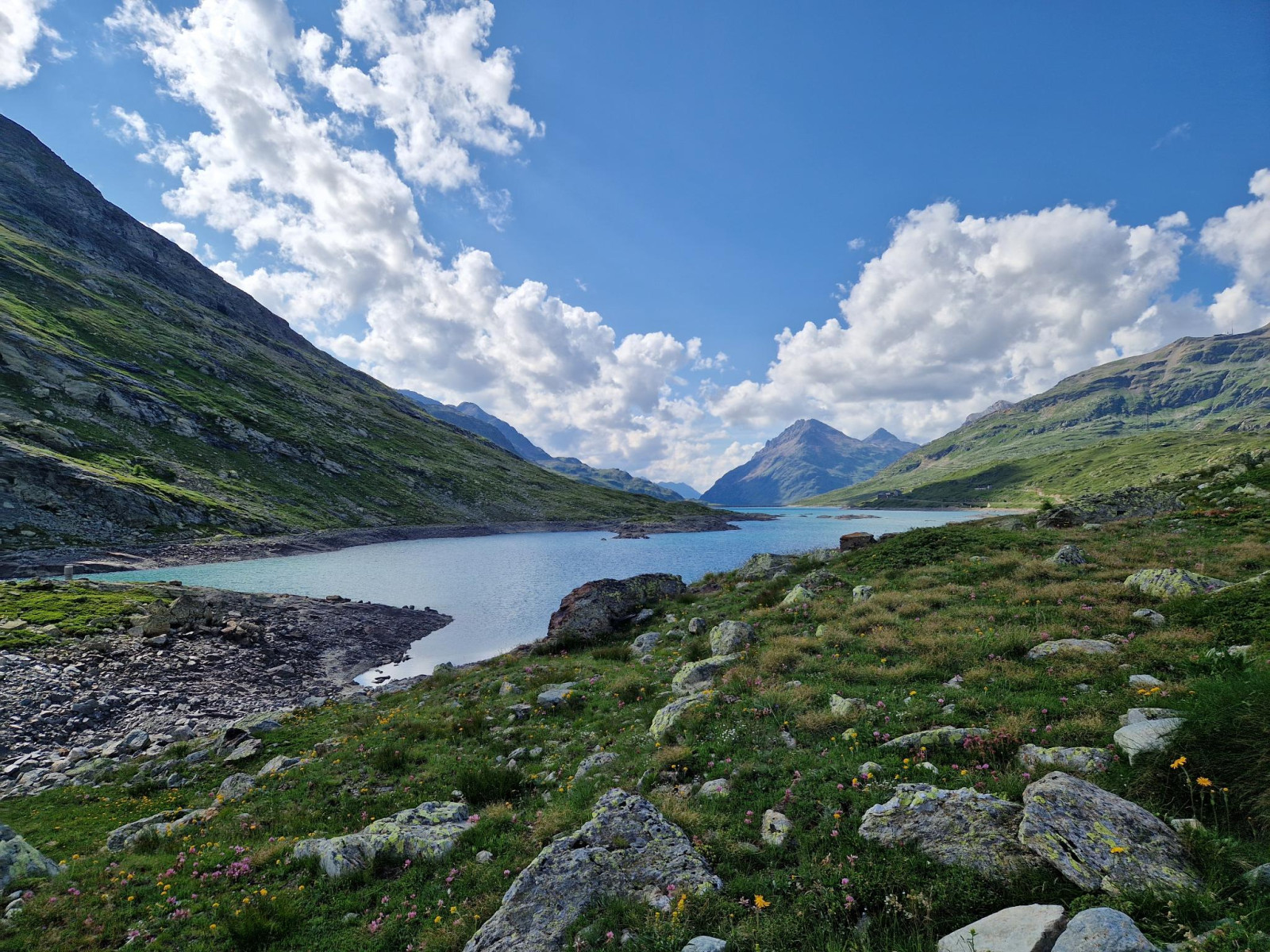
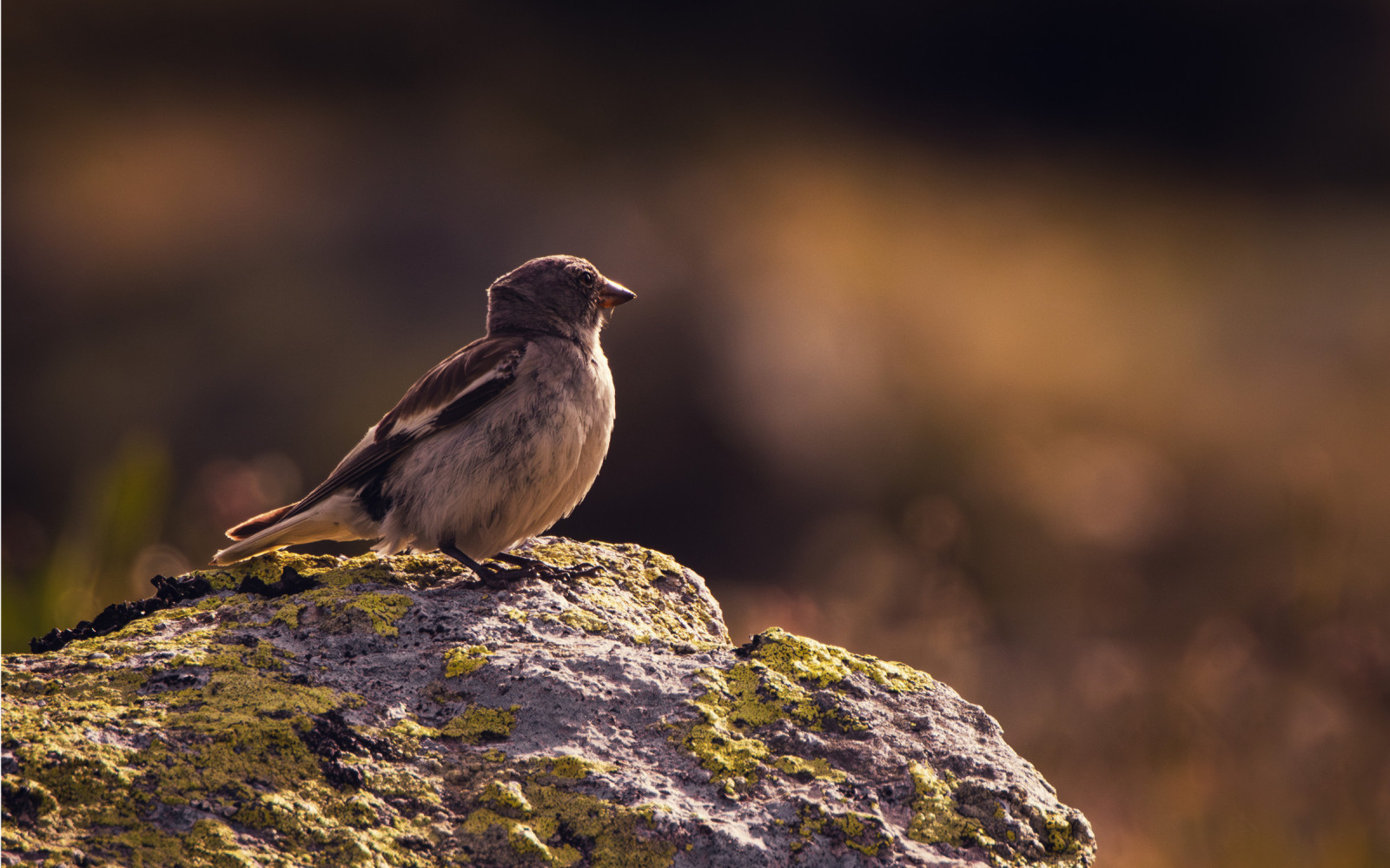
A walk around Lago Bianco may not result in a long list of species, but few places so easy to reach reward reliably with observations of the Niverolle alpine.
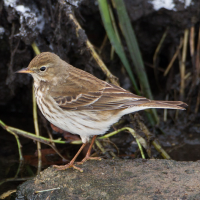
The area surrounding Lago Bianco lies at over 2,200 meters above sea level and just above the tree line. Accordingly, the birdlife here is highly specialized: everywhere you can hear the calls of the Pipit spioncelle as they perform their display flights over the terrain. Traquet motteux often perch on large rocks or reveal themselves by their striking white rump when taking off. The most remarkable bird - worth lingering a little longer by the lake when crossing the Bernina pass - is the Niverolle alpine. Several pairs breed around the lake and can be observed quite easily with a bit of patience; sometimes they use the buildings of the Ospizio or the Rhaetian Railway as song posts. Hirondelle de rochers also nest on these buildings. The mocking calls of the Chocard à bec jaune are ever-present, and the colorful Linotte mélodieuse is abundant here.
The rocky short grasslands offer good observation opportunities of these species almost everywhere. Particularly rewarding are the area between the Albergo and the railway station (1), the path to the northern dam - which is also the watershed (2) - as well as the eastern shore of the lake (3). From the southern dam (4), there is a great view into Val Poschiavo.
The only wheelchair-acccessible path (5) is the one to this dam, but it seems ornithologically less interesting. For the complete circuit around the lake, including short observation stops, you should allow about three hours. The best way to get there is by taking the Rhaetian Railway (stop Ospizio Bernina) or the bus (stop Ospizio Bernina, Albergo). Parking spaces are also available (click on the “P” on the map).
Lago Bianco itself - originally two separate lakes that were enlarged and connected by dams - is, like many alpine lakes, of little ornithological interest. Migrating waders have only rarely been observed here. All the more impressive is the panorama with Piz Cambrena in the background, on whose slopes (as of 2025) the remnants of a glacier can still be seen, which once extended almost down to the lake. Like this glacier, the Niverolle alpine is directly affected by climate change: whereas it once bred as low as 1500 meters, today the 2240 meters of the Bernina Pass nearly mark the lower limit of its range. Observations - ideally with atlas codes, where applicable - are of great scientific interest for monitoring its population trends.
 ) Insérez les noms d'oiseau dans votre langue. Ils seront automatiquement traduits pour les autres usagers !
Votre feedback sera transmis à l’auteur.rice de cette zone et à l’équipe éditoriale de Birdingplaces, qui l’utiliseront pour améliorer la qualité des informations. (Vous souhaitez publier un commentaire visible en bas de page ? Fermez cette fenêtre et choisissez l’Option 1 : « Publier un commentaire, un conseil ou une observation ».)
Veuillez fournir des suggestions d'améliorations ou d'ajouts au texte de ce site ornithologique.
Veuillez fournir vos suggestions d'améliorations ou d'ajouts à la carte.
Veuillez fournir des suggestions d'améliorations ou d'ajouts à la liste des oiseaux.
Cliquez sur l'icône de l'oiseau () Insérez les noms d'oiseau dans votre langue. Ils seront automatiquement traduits pour les autres usagers !