


Charger images
Les formats d'image autorisés sont de type jpeg, png ou gif
La taille maximale du fichier doit être de 20MB
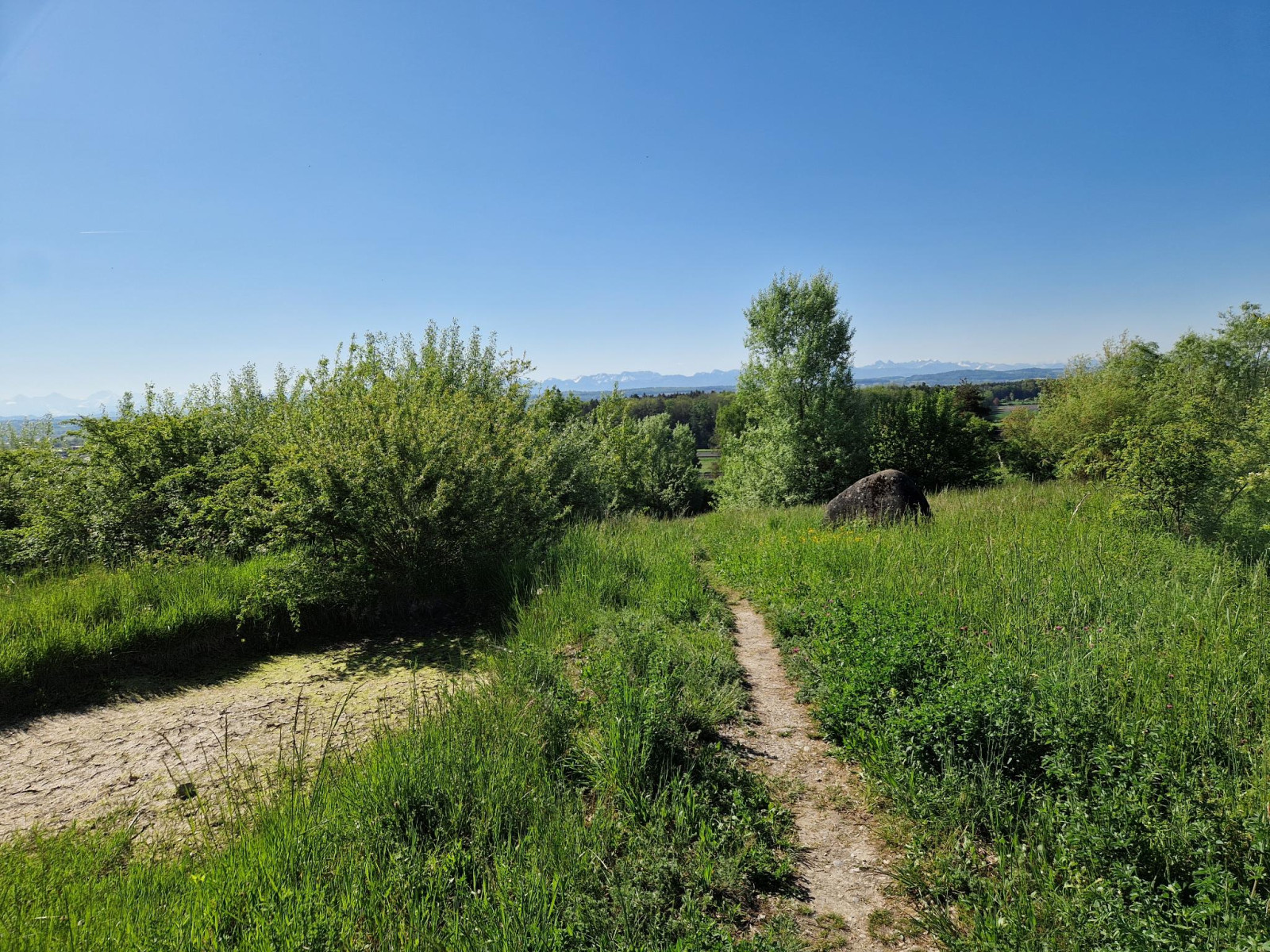
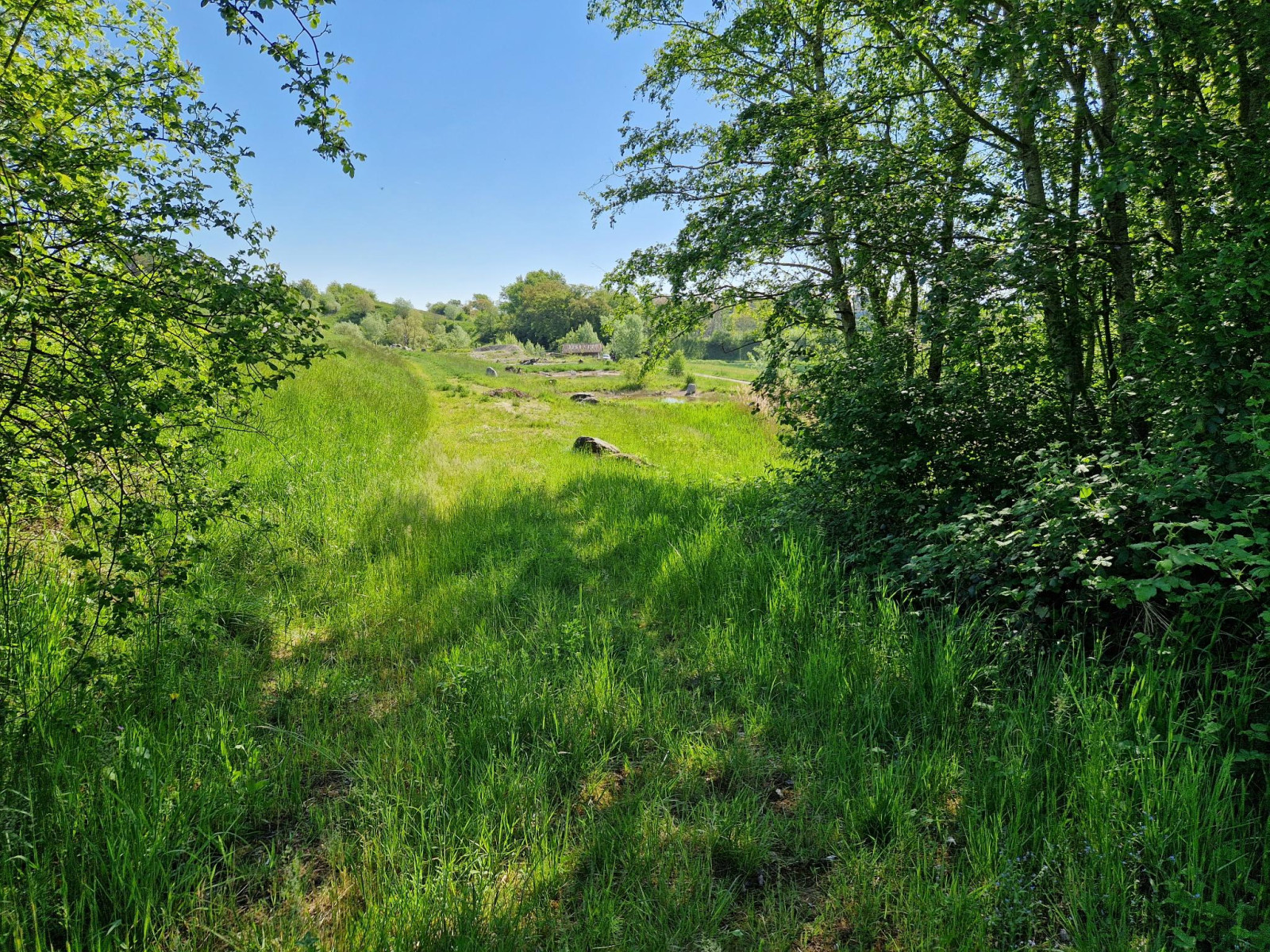
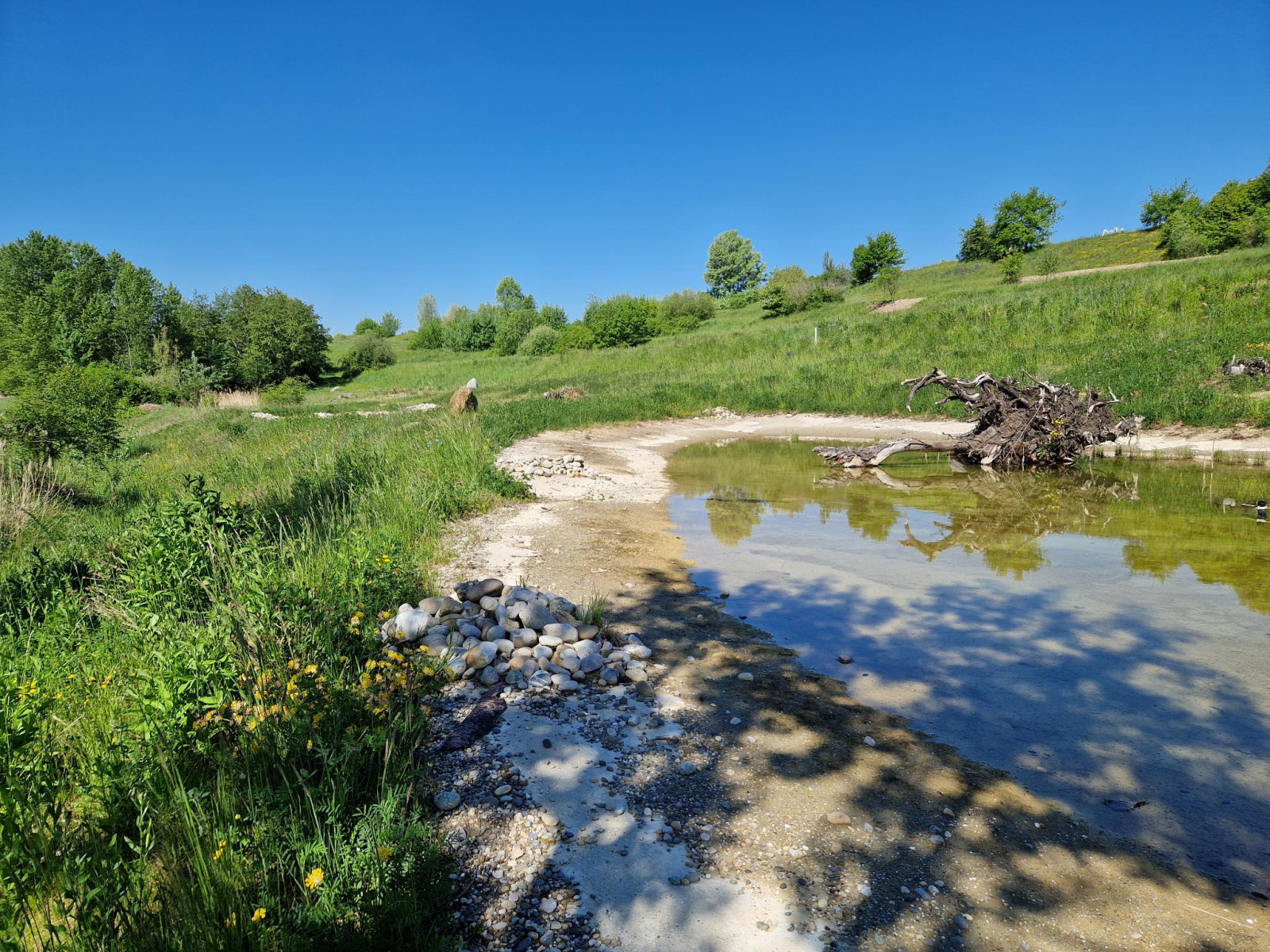
Just shy of 10 hectares, this nature reserve offers a rich mosaic of diverse habitats, featuring an extensive pond landscape, dry areas, and hedgerows.
About 150 species have so far been recorded in this tiny nature reserve. Bir länge Stude is part of the Grosses Moos in the north of Lake Neuchâtel. It consists of a south-facing slope with semi-dry meadows (1), richly structured hedges (2) and a restored gravel pit (3). At the foot of the slope, some ponds have been created for amphibians (4); a small, ecologically managed vineyard (5) is cultivated here on a voluntary basis.
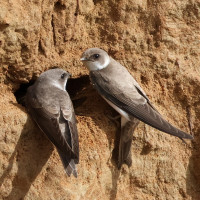
The typical birds of these habitats, which have become rare elsewhere, include Fauvette grisette, Rossignol philomèle, Pie-grièche écorcheur, Tarier des prés, Rougequeue à front blanc and Tarier pâtre. The orchard trees provide food for Torcol fourmilier. Especially in the tree groups lower down (6) you’ll find Tourterelle des bois and Loriot d'Europe. One of the main target species of conservation efforts here is the Bruant proyer, which has one of its last refuges in Switzerland in the Grosses Moos. Somewhat less frequently, Locustelle tachetée, Fauvette babillarde and Caille des blés are also seen. Noteworthy too is the large colony of Hirondelle de rivage in the restored gravel pit. From there, the call of the Guêpier d'Europe has been heard repeatedly - so far probably only from migrating individuals.
During spring migration, rare relatives of the habitat’s typical resident species turn up again and again: Alouette calandrelle, Bruant ortolan, Étourneau roselin, and most recently a Pie-grièche à tête rousse have been sighted. Hibou des marais and Faucon kobez have also already stopped over in the area.
Bir Länge Stude is located between the villages of Müntschemier and Ins. The area is not specifically wheelchair accessible, but is mostly walkable on small paths. It’s somewhat remote and best reached by bike or on foot.
If you’re birding here, you’ll often find yourself alone in open fields. An early morning visit is recommended.
 ) Insérez les noms d'oiseau dans votre langue. Ils seront automatiquement traduits pour les autres usagers !
Votre feedback sera transmis à l’auteur.rice de cette zone et à l’équipe éditoriale de Birdingplaces, qui l’utiliseront pour améliorer la qualité des informations. (Vous souhaitez publier un commentaire visible en bas de page ? Fermez cette fenêtre et choisissez l’Option 1 : « Publier un commentaire, un conseil ou une observation ».)
Veuillez fournir des suggestions d'améliorations ou d'ajouts au texte de ce site ornithologique.
Veuillez fournir vos suggestions d'améliorations ou d'ajouts à la carte.
Veuillez fournir des suggestions d'améliorations ou d'ajouts à la liste des oiseaux.
Cliquez sur l'icône de l'oiseau () Insérez les noms d'oiseau dans votre langue. Ils seront automatiquement traduits pour les autres usagers !