

Charger images
Les formats d'image autorisés sont de type jpeg, png ou gif
La taille maximale du fichier doit être de 20MB
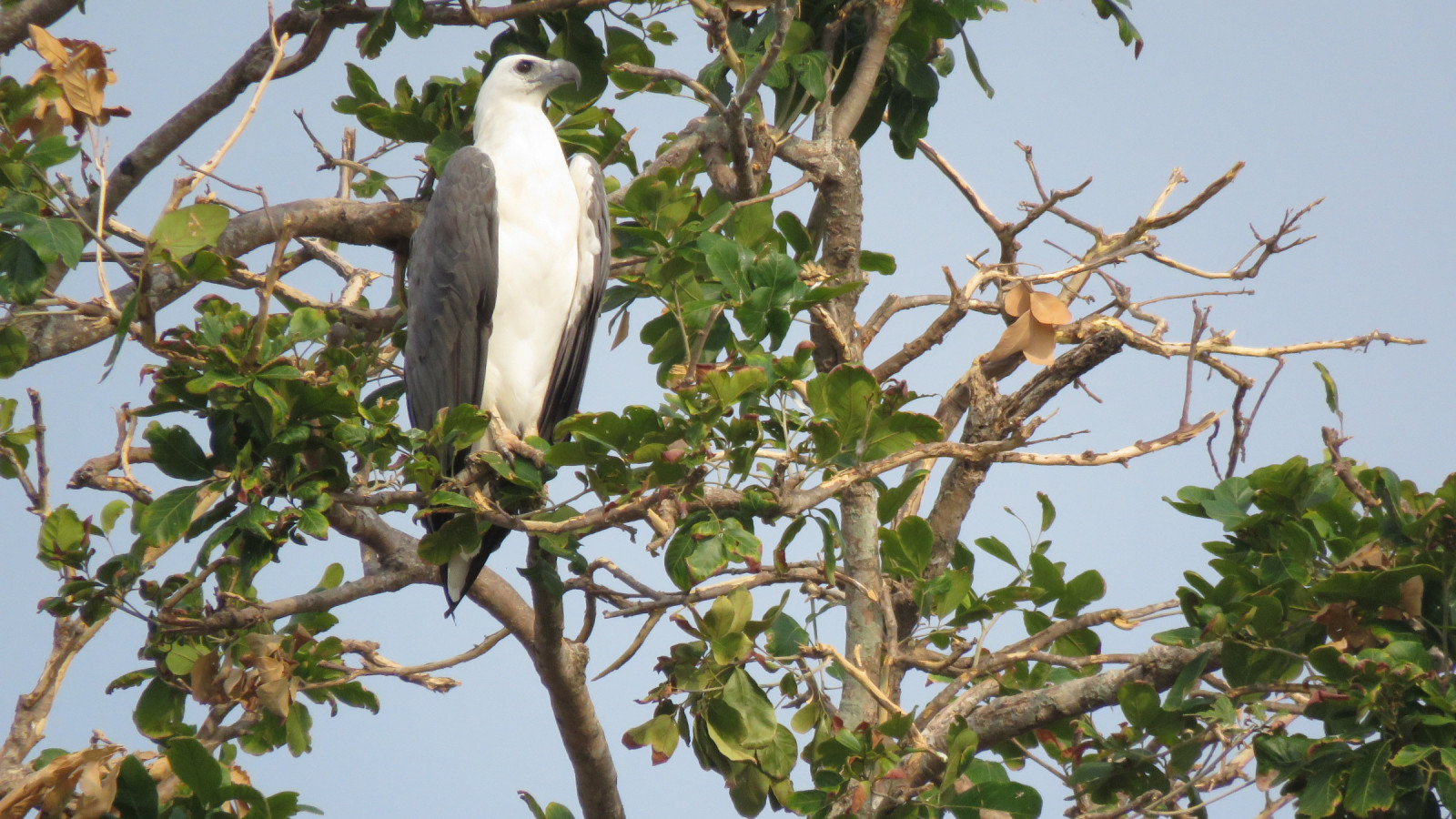
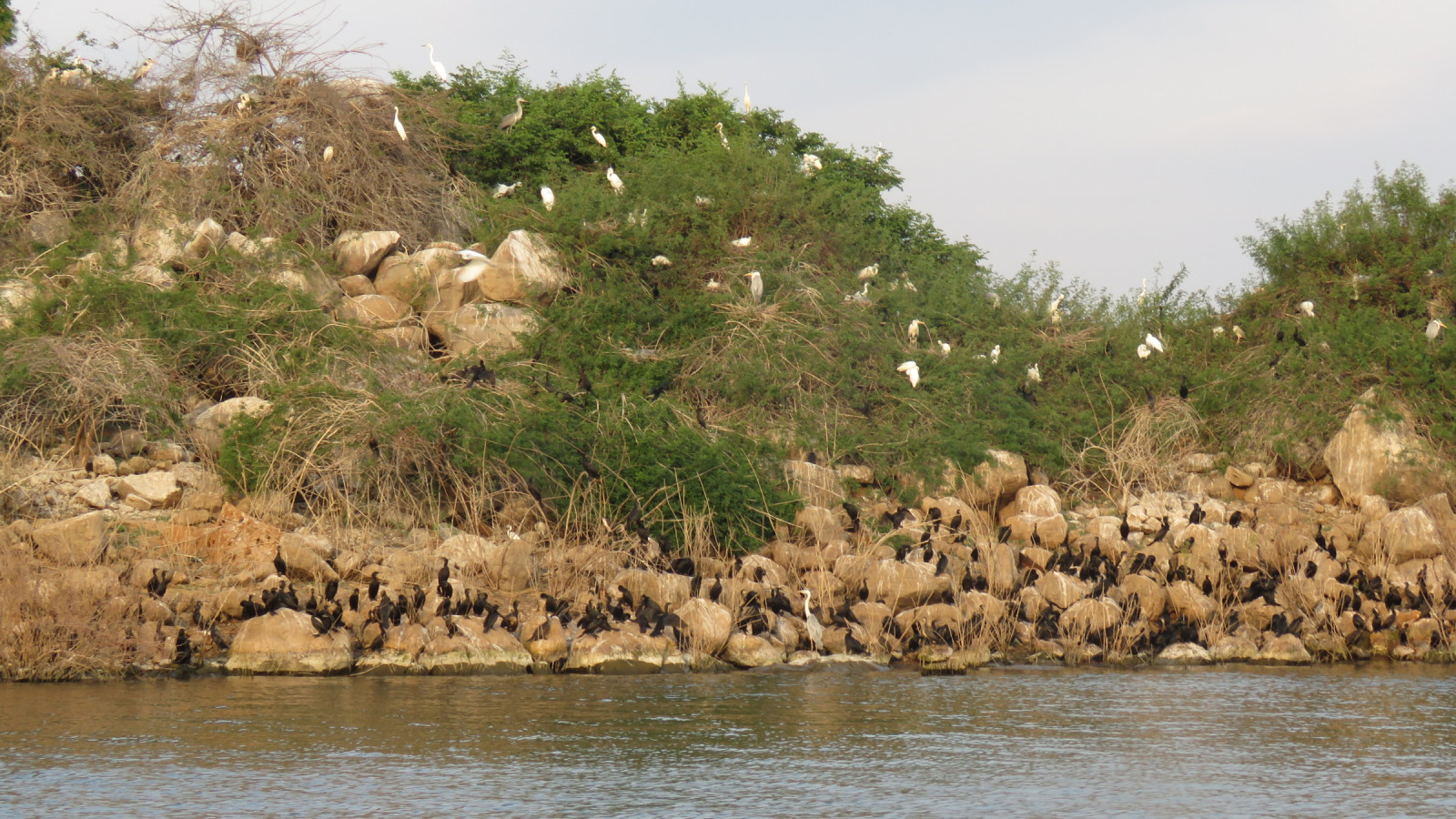
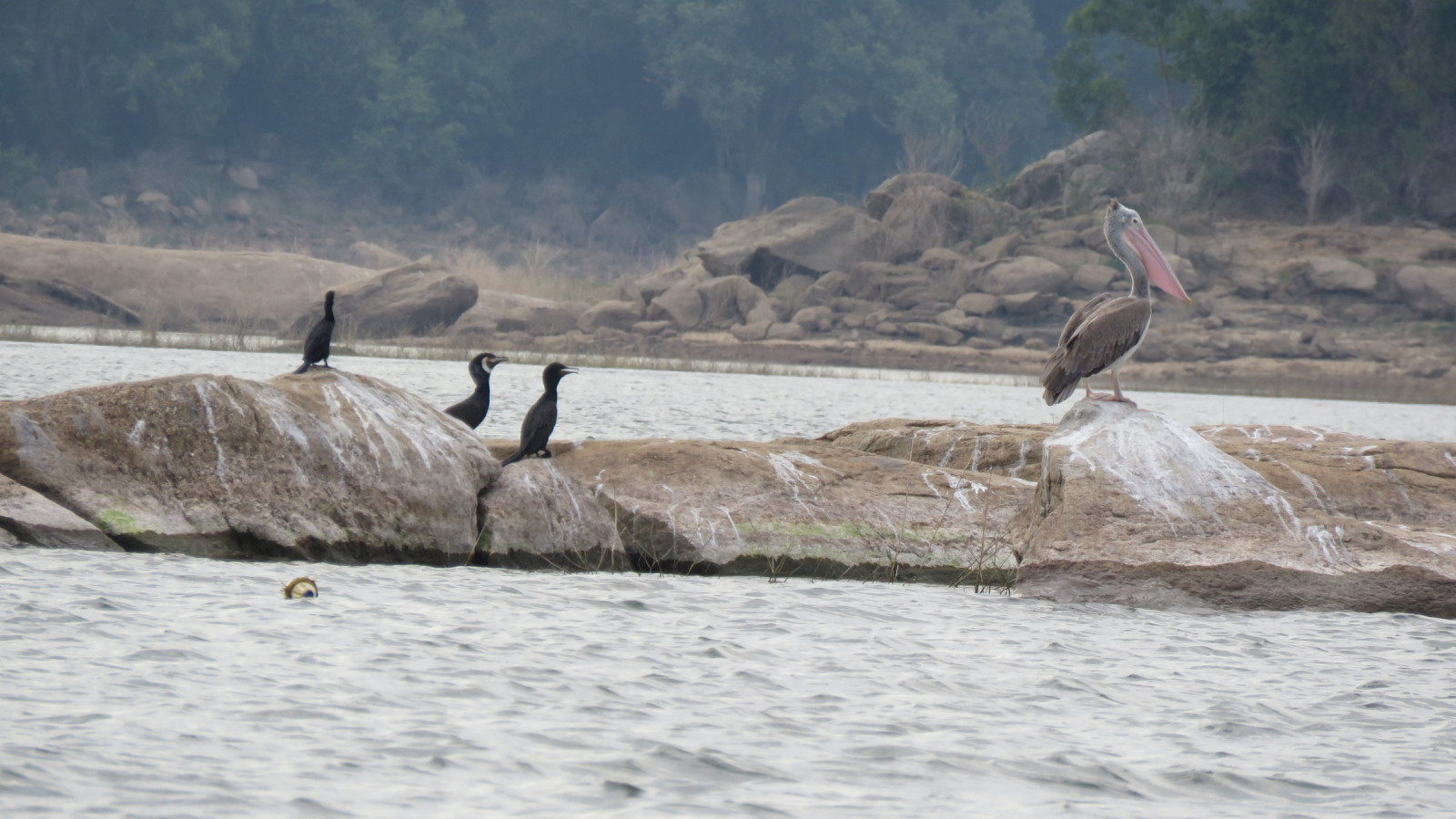
Biggest reservoir and man-made lake in Sri Lanka. The rocky islands and dead trees in the reservoir attract thousands of birds.
Gal Oya Lake (known in Sri Lanka as Senanayake Samudraya or Inginiyagala Reservoir) was formed by damming the Gal Oya river and other smaller rivers. The reservoir is the largest body of water in Sri Lanka and is bordered by the mountains of Inginiyagala and Gal Oya National Park. The area is full of wildlife, including more than 200 elephants, as well as bears and leopards.
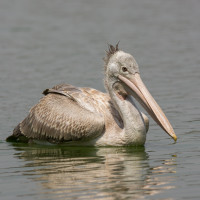
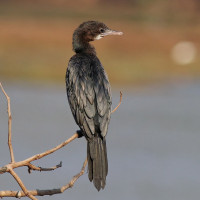
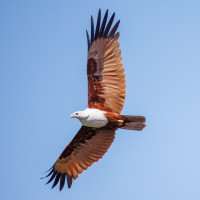
The islands in the reservoir are a refuge and breeding area for thousands of birds. The old dead trees that stick out of the water are used as lookouts or hunting posts by many birds. The birds are often beautiful to photograph when you pass the old trees in a boat. Also great to observe from the water are the islands with breeding colonies of birds. Among the birds you can see on Gal Oya Lake are Spot-billed Pelican, Eurasian Spoonbill, Black-crowned Night Heron, Oriental Darter, Great Stone-Curlew, White-bellied Sea-Eagle, Grey-headed Fish-Eagle, Brahminy Kite, Little Cormorant, Great Cormorant, Indian Cormorant, Little Egret, Great Egret, Medium Egret and Black-headed Ibis.
Gal Oya Lake is located in the east of Sri Lanka, 20 km to the west of the city of Ampara. The only way to explore the reservoir is by a boat safari. Boats leave from the Gal Oya Dam and tickets need to be reserved in advance. Most hotels and touroperators in the area offer this boat trip. Most visitors do this boattrip to see the elephants. Therefore it is a good idea to inform the guides that you are also interested in birds, so that they show you the best places for birding, including the islands with breeding colonies.
 ) Insérez les noms d'oiseau dans votre langue. Ils seront automatiquement traduits pour les autres usagers !
Votre feedback sera transmis à l’auteur.rice de cette zone et à l’équipe éditoriale de Birdingplaces, qui l’utiliseront pour améliorer la qualité des informations. (Vous souhaitez publier un commentaire visible en bas de page ? Fermez cette fenêtre et choisissez l’Option 1 : « Publier un commentaire, un conseil ou une observation ».)
Veuillez fournir des suggestions d'améliorations ou d'ajouts au texte de ce site ornithologique.
Veuillez fournir vos suggestions d'améliorations ou d'ajouts à la carte.
Veuillez fournir des suggestions d'améliorations ou d'ajouts à la liste des oiseaux.
Cliquez sur l'icône de l'oiseau () Insérez les noms d'oiseau dans votre langue. Ils seront automatiquement traduits pour les autres usagers !