


Charger images
Les formats d'image autorisés sont de type jpeg, png ou gif
La taille maximale du fichier doit être de 20MB
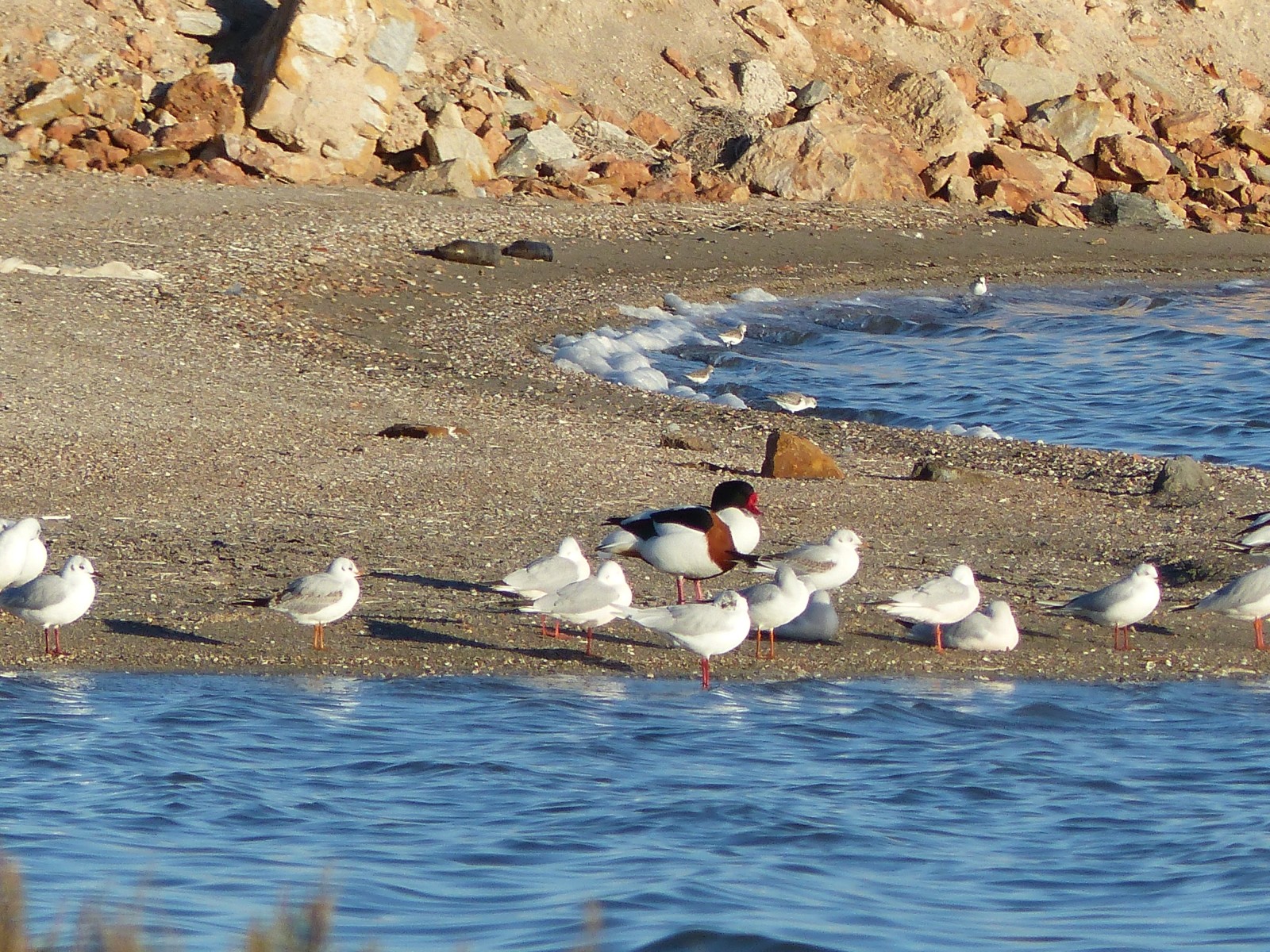
A nice walk among the salt pans, where birds and tradition come together in a respectful way of getting resources, while allowing animals to breed and forage.
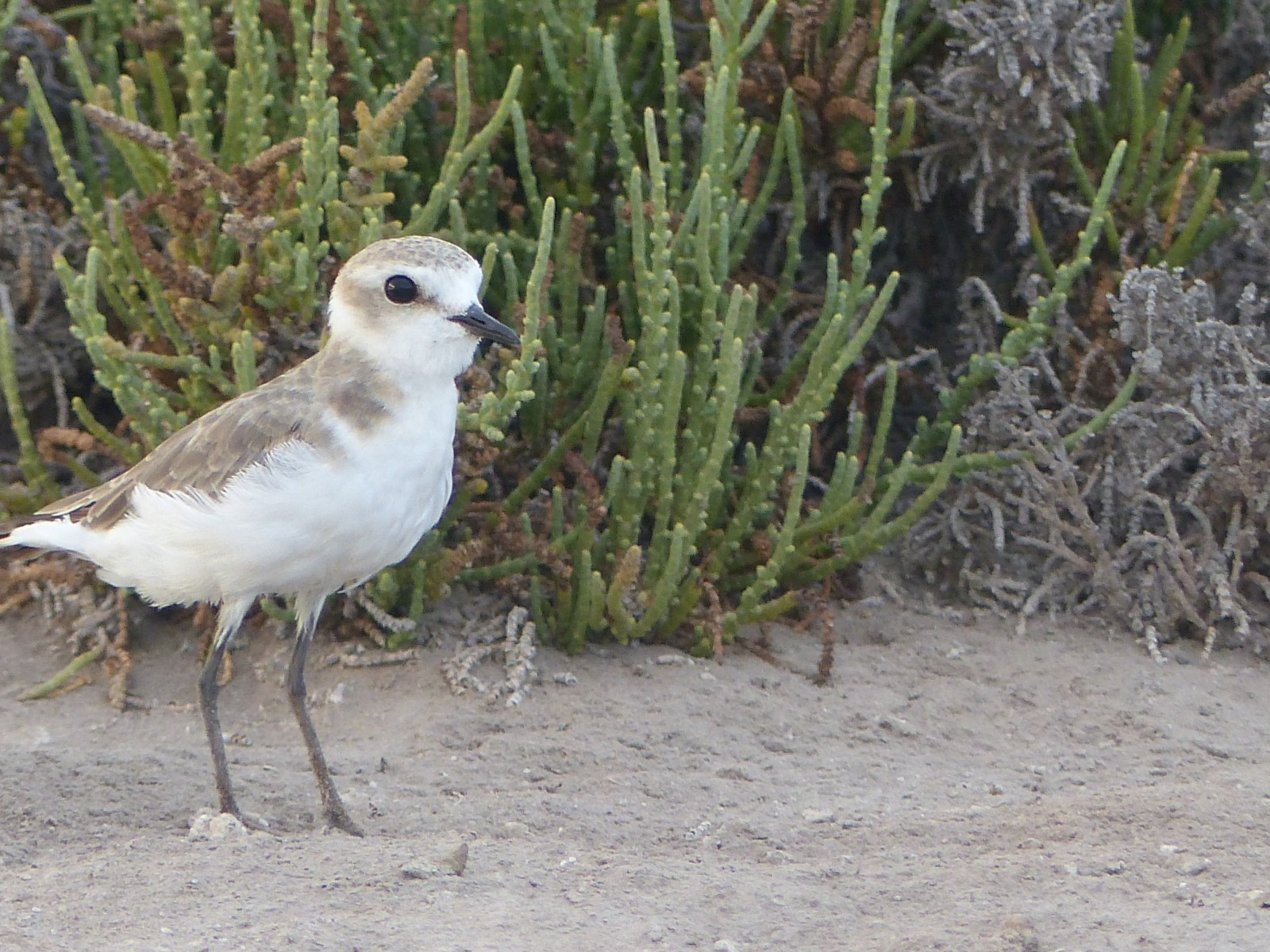
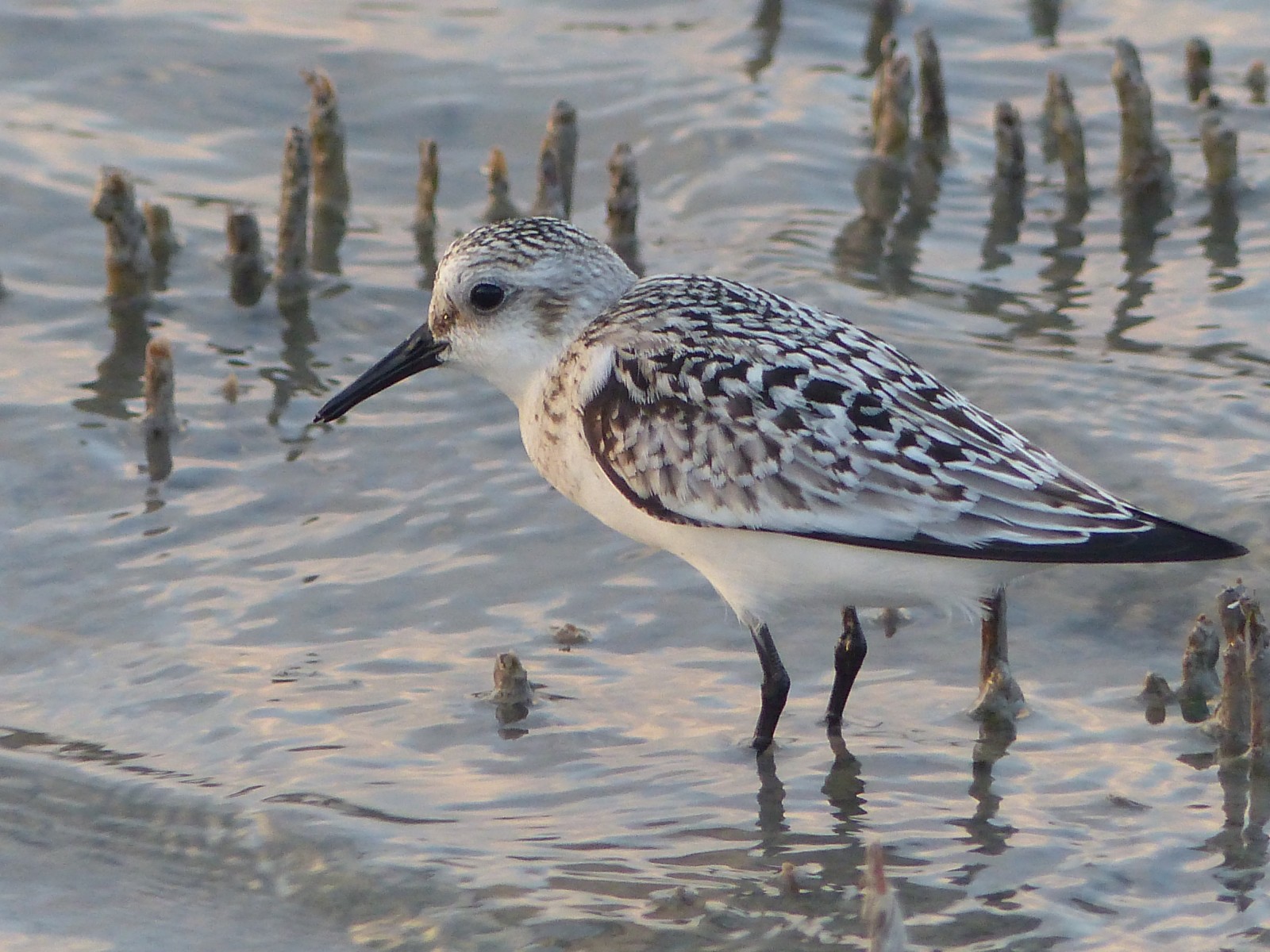
The area around the Salinas de San Pedro is divided in two zones: the salt pans themselves and the dunes. The first ones are the most worth visting, as they have the highest amount and variety of birds. These are highly saline shallow pools, surrounded by higher areas of land, with halophile vegetation on them, and some islands where birds like to rest. The most oustanding birds are Flamant rose, as well as Tadorne de Belon and lots of plovers, sandpipers and other shorebirds. In summer, terns such as Sterne naine and Sterne pierregarin form breeding colonies, as well as Gravelot à collier interrompu, Avocette élégante and Échasse blanche.
The dunes area is closer to the actual beach, and is mainly a pine forest with dune vegetation under the trees, with some open spaces of sand. When it rains, some open areas get flooded and turn into small ponds, where birds like Tadorne de Belon go to feed. However, the most common birds of this habitat are small ones, with the presence of Tourterelle des bois, Cochevis huppé and Pie-grièche méridionale, which move from the treetops to the ground to feed.
The Salinas de San Pedro are located directly east of the town of San Pedro del Pinatar. To enter the area you can go both by car, by bike or by foot, as there is a road in the middle of the pools with two walkways next to it. You can park at the end of it, as there are some slots, however, there are not many parking places, so they usually get full. On the southern side of the area is a bigger parking. Press a P on the map for directions. The dune area can only be accessed on foot, as there are some wooden platforms built for going to the actual beach. The walk is quite short, it is just 10 minutes from the nearest village.
Apart from the birds, you can appreciate most of the typical fauna and flora from the Mediterranean coast and dunes, including the fartet (Aphanius iberus) and the common chamaeleon (Chamaeleo chamaeleon). Some botanical marvels include the endemic Helianthemum marminorense and Tetraclinis articulata, and the beautiful Pancratium maritimum.
 ) Insérez les noms d'oiseau dans votre langue. Ils seront automatiquement traduits pour les autres usagers !
Votre feedback sera transmis à l’auteur.rice de cette zone et à l’équipe éditoriale de Birdingplaces, qui l’utiliseront pour améliorer la qualité des informations. (Vous souhaitez publier un commentaire visible en bas de page ? Fermez cette fenêtre et choisissez l’Option 1 : « Publier un commentaire, un conseil ou une observation ».)
Veuillez fournir des suggestions d'améliorations ou d'ajouts au texte de ce site ornithologique.
Veuillez fournir vos suggestions d'améliorations ou d'ajouts à la carte.
Veuillez fournir des suggestions d'améliorations ou d'ajouts à la liste des oiseaux.
Cliquez sur l'icône de l'oiseau () Insérez les noms d'oiseau dans votre langue. Ils seront automatiquement traduits pour les autres usagers !