

Charger images
Les formats d'image autorisés sont de type jpeg, png ou gif
La taille maximale du fichier doit être de 20MB
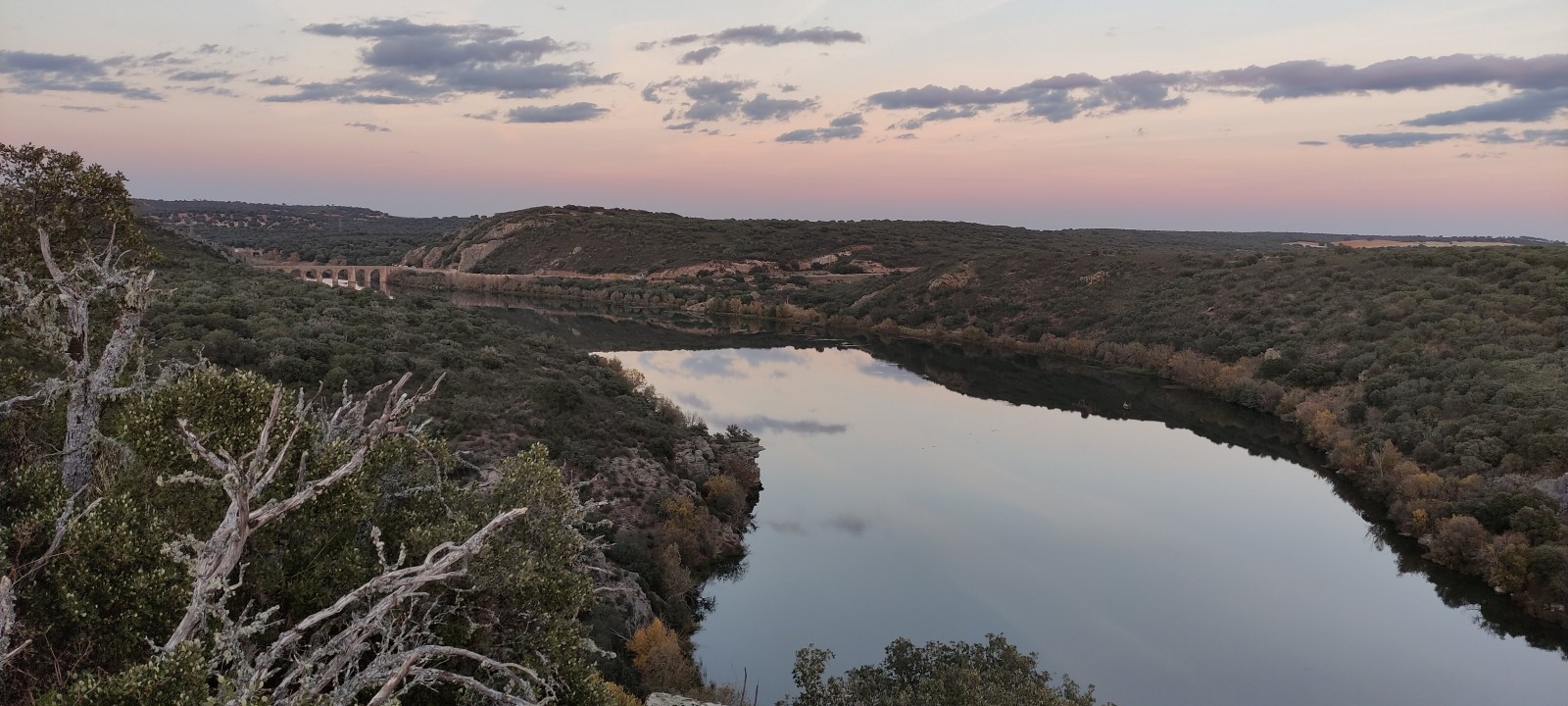

Bridge over the river Esla in a Mediterranean mountain environment of holm oaks.
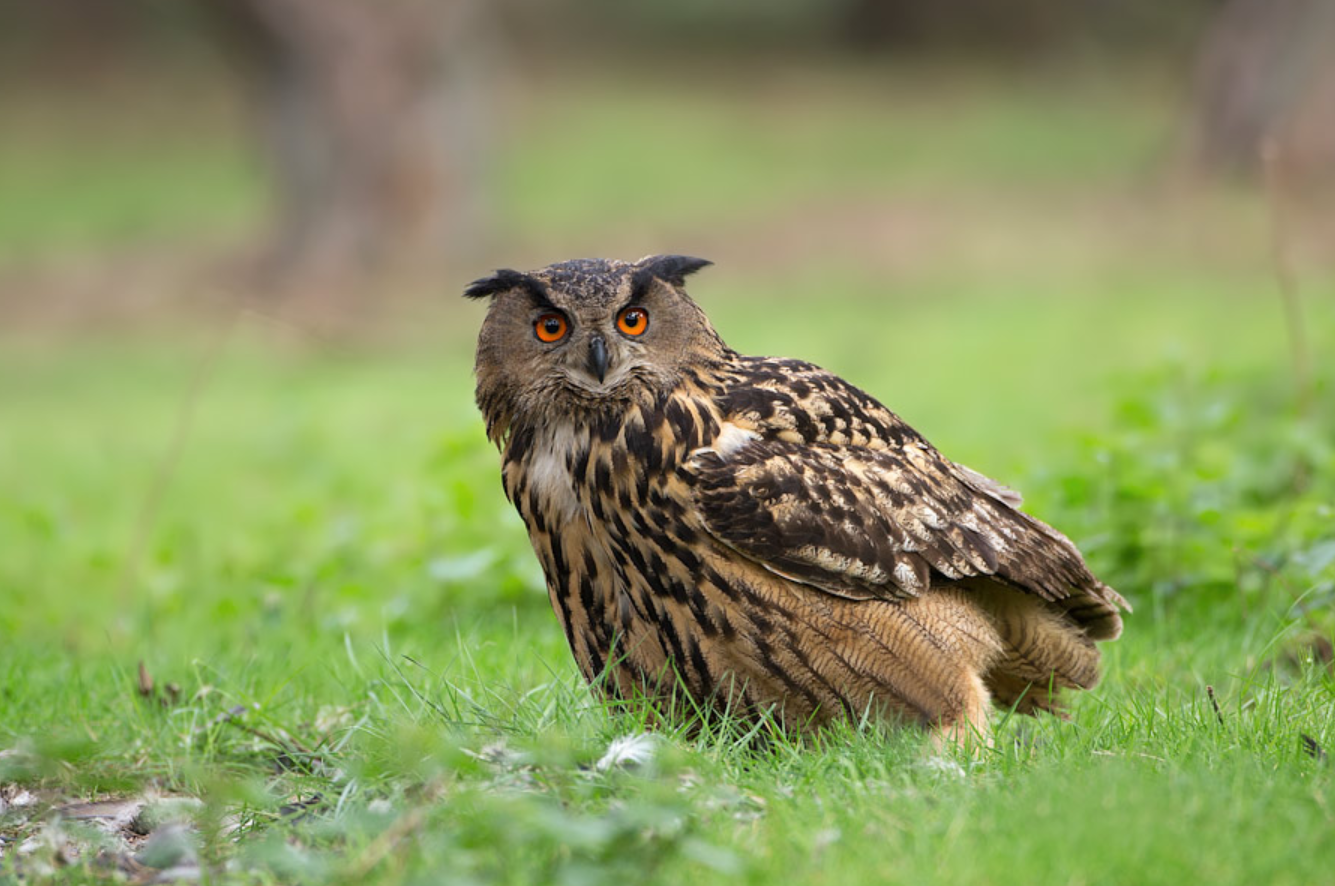
Puente Quintos is characterized by calm waters, some marsh vegetation and some islands, which attract species of aquatic birds (Grande Aigrette, Canard colvert, Canard siffleur etc.), especially when the Lagunas de Villafáfila have little water. The environment is made up of other ecosystems, such as riparian forest, holm oak and rocky forests, with various species associated with each one of them: Monticole bleu, Grand-duc d'Europe, Hibou moyen-duc, Mésange à longue queue, Mésange charbonnière, Rougegorge familier, etc. The same bridge is a good place for the observation of aquatic birds and rocks. Another option is to follow the path that leaves the bridge, downstream, towards Faramontanos de Tábara (part of the Camino de Santiago Mozárabe Sanabrés). It ascends up a hillside, first through riverside vegetation and later through the holm oak forest, to end up in a rocky area, from where you can see the river and the mountains. A colony of Hirondelle de rochers is nesting on these rocky walls.
_________________________
Espagnol: Puente sobre el río Esla en un entorno de monte mediterráneo de encinas. La existencia de un azúd más abajo, hace que este tramo se caracterice por tener aguas tranquilas, algo de vegetación palustre y algunas islas, lo que atrae especies de aves acuáticas ( Grande Aigrette, Canard colvert, Canard siffleur etc.), sobre todo cuando las Lagunas de Villafáfila tienen poca agua. El entorno está formado por otros ecosistemas, como bosque de ribera, encinar y roquedos, con diversas especies asociadas a cada uno de ellos: Monticole bleu, Grand-duc d'Europe, Hibou moyen-duc, Mésange à longue queue, Mésange charbonnière, Rougegorge familier ,etc. El mismo puente es un buen sitio para la observación de las aves acuáticas y de roquedo. Otra opción es seguir el sendero que sale del puente, río abajo, dirección Faramontanos de Tábara (parte del Camino de Santiago Mozárabe Sanabrés). Asciende por una ladera, primero a través de vegetación de ribera y más tarde a través del encinar, para acabar en una zona rocosa, desde donde se contempla el río y el monte. En estas paredes rocosas hay instalada una colonia de Hirondelle de rochers.
The bridge is on the ZA-123 highway between kilometers 5 and 6. Section that goes from Granja de Moreruela to Faramontanos de Tábara. It is accessed by this road by car and at one end of the bridge there is room to leave the car.
_________________________
Espagnol: El puente está en la carretera ZA-123 entre el kilómetro 5 y 6. Tramo que va desde Granja de Moreruela a Faramontanos de Tábara. Se accede por esta carretera en coche y en uno de los extremos del puente hay sitio para dejar el coche.
 ) Insérez les noms d'oiseau dans votre langue. Ils seront automatiquement traduits pour les autres usagers !
Votre feedback sera transmis à l’auteur.rice de cette zone et à l’équipe éditoriale de Birdingplaces, qui l’utiliseront pour améliorer la qualité des informations. (Vous souhaitez publier un commentaire visible en bas de page ? Fermez cette fenêtre et choisissez l’Option 1 : « Publier un commentaire, un conseil ou une observation ».)
Veuillez fournir des suggestions d'améliorations ou d'ajouts au texte de ce site ornithologique.
Veuillez fournir vos suggestions d'améliorations ou d'ajouts à la carte.
Veuillez fournir des suggestions d'améliorations ou d'ajouts à la liste des oiseaux.
Cliquez sur l'icône de l'oiseau () Insérez les noms d'oiseau dans votre langue. Ils seront automatiquement traduits pour les autres usagers !