


Charger images
Les formats d'image autorisés sont de type jpeg, png ou gif
La taille maximale du fichier doit être de 20MB


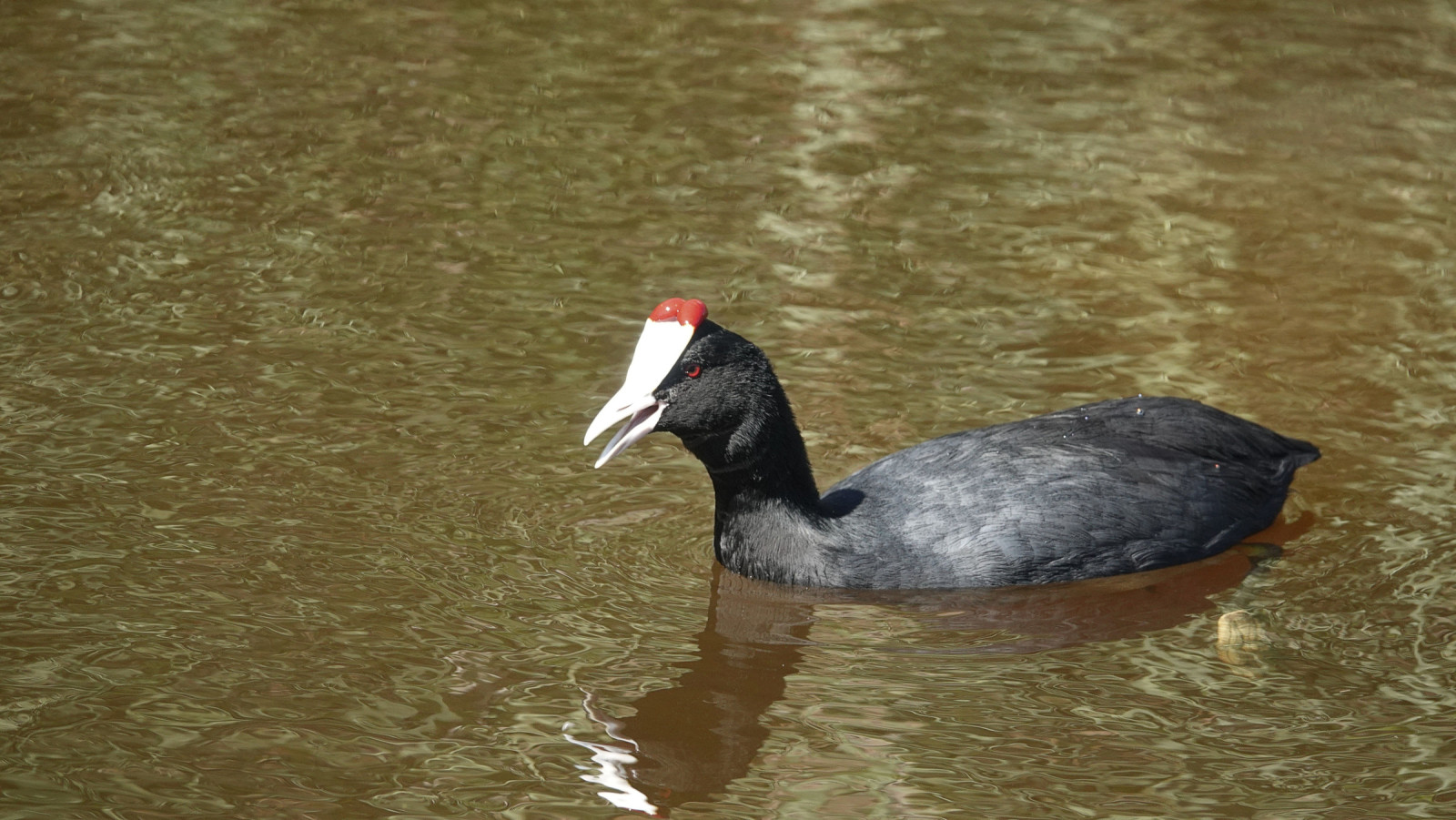
A typical marsh of the Mediterranean coast. It is a wetland of 1248 ha with fresh and salt water, surrounded by mountains, rice fields and orange groves.
Parque natural del Marjal de Pego-Oliva is a nature reserve that has been designated as a wetland under the Ramsar Convention. The reserve is 1248 hectares and consists of swamp and surrounding rice fields. The waters in the marsh are permanent and relatively saline, due to the limited inflow of fresh water. The wetland is of great biodiversity interest. It is precisely this combination that results in a habitat for a number of internationally endangered marsh birds. Species such as Talève sultane, Crabier chevelu, Héron pourpré, Blongios nain, Ibis falcinelle, Flamant rose , Sterne hansel, Héron garde-boeufs, Lusciniole à moustaches, Échasse blanche , Pie-grièche méridionale, Guêpier d'Europe, Glaréole à collier, Aigle botté, Busard des roseaux, Rousserolle turdoïde, Goéland d'Audouin, Guifette moustac can be observed in the area. The combination with surrounding orange groves leads to the presence of, among others, Huppe fasciée, Engoulevent à collier roux en Pie-grièche à tête rousse. Faucon d'Éléonore comes foraging from the mountains.
_________________________
Espagnol: La marjal de Pego-Oliva, localizada en una ensenada entre las sierras de Mostalla y de Segària, constituye el humedal costero más meridional del golfo de Valencia. Se trata de un espacio mixto, construido a partir de procesos geomorfológicos y de una acción antrópica no exenta de conflictos. La riqueza ecológica y el excepcional sistema hidrológico del marjal han propiciado una mayor sensibilidad ambiental y la declaración de 1.290 hectáreas como espacio protegido, tanto a escala autonómica como europea. La variedad de ambientes ha propiciado la aparición de distintos hábitats. La especie acuática valenciana por excelencia, el samaruc (Valencia hispanica), tiene aquí una de sus mejores poblaciones naturales. Asimismo nidifica una rica avifauna con especies como la Ardea purpurea, Marmaronetta angustirostris, Porphyrio porphyrio, Himantopus himantopus, Ixobrychus minutus, y Fulica atra como más destacados.
The Natural Park is accessed via the N-332. The Olive-Pego road skirts the northern border of the Park, whilst the El Vergel-Pego (province of Alicante) road constitutes the southern limit. There is also a bicycle lane and various rest areas. There is a road that runs through the Natural Park. The area is easily accessible on foot and by car. There is also a bicycle route.
_________________________
Espagnol: El acceso al Parque Natural se realiza desde la N-332. La carretera que va de Oliva a Pego bordea el Parque por el norte, mientras que la que une Vergel y Pego constituye el límite sur del paraje. En la misma hay un carril para la circulación de bicicletas y varias áreas de descanso. También hay una carretera que atraviesa este paraje natural. Al Parque se puede llegar con los autobuses que salen desde Gandía y pasan por Oliva, y también con los que tienen la salida en Denia y atraviesan El Verger.
 ) Insérez les noms d'oiseau dans votre langue. Ils seront automatiquement traduits pour les autres usagers !
Votre feedback sera transmis à l’auteur.rice de cette zone et à l’équipe éditoriale de Birdingplaces, qui l’utiliseront pour améliorer la qualité des informations. (Vous souhaitez publier un commentaire visible en bas de page ? Fermez cette fenêtre et choisissez l’Option 1 : « Publier un commentaire, un conseil ou une observation ».)
Veuillez fournir des suggestions d'améliorations ou d'ajouts au texte de ce site ornithologique.
Veuillez fournir vos suggestions d'améliorations ou d'ajouts à la carte.
Veuillez fournir des suggestions d'améliorations ou d'ajouts à la liste des oiseaux.
Cliquez sur l'icône de l'oiseau () Insérez les noms d'oiseau dans votre langue. Ils seront automatiquement traduits pour les autres usagers !