

Charger images
Les formats d'image autorisés sont de type jpeg, png ou gif
La taille maximale du fichier doit être de 20MB
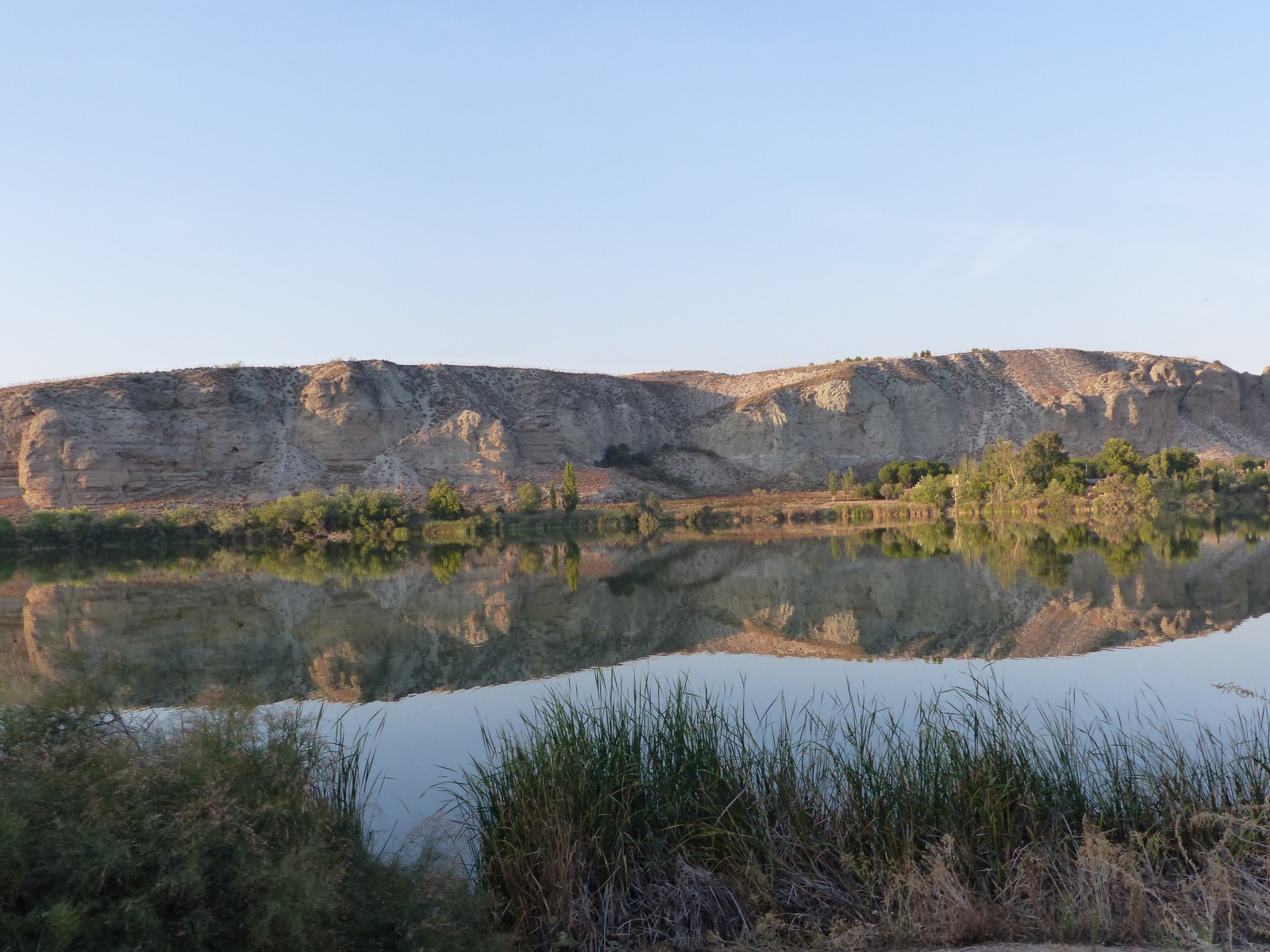
A fairly big lake surrounded by both sandstone cliffs and the Jarama river. Having this variety of landmarks, the ammount of birds is proportional to it.
The Laguna de El Campillo is included in the Parque Regional del Sureste, the best area to see waterbirds in the Community of Madrid. Consisting in a fairly big lake, the riparian forest around it, the Jarama river and some quite high sandstione cliffs, with shrubs on their base, it offers a huge variety of habitats where birds thrive.
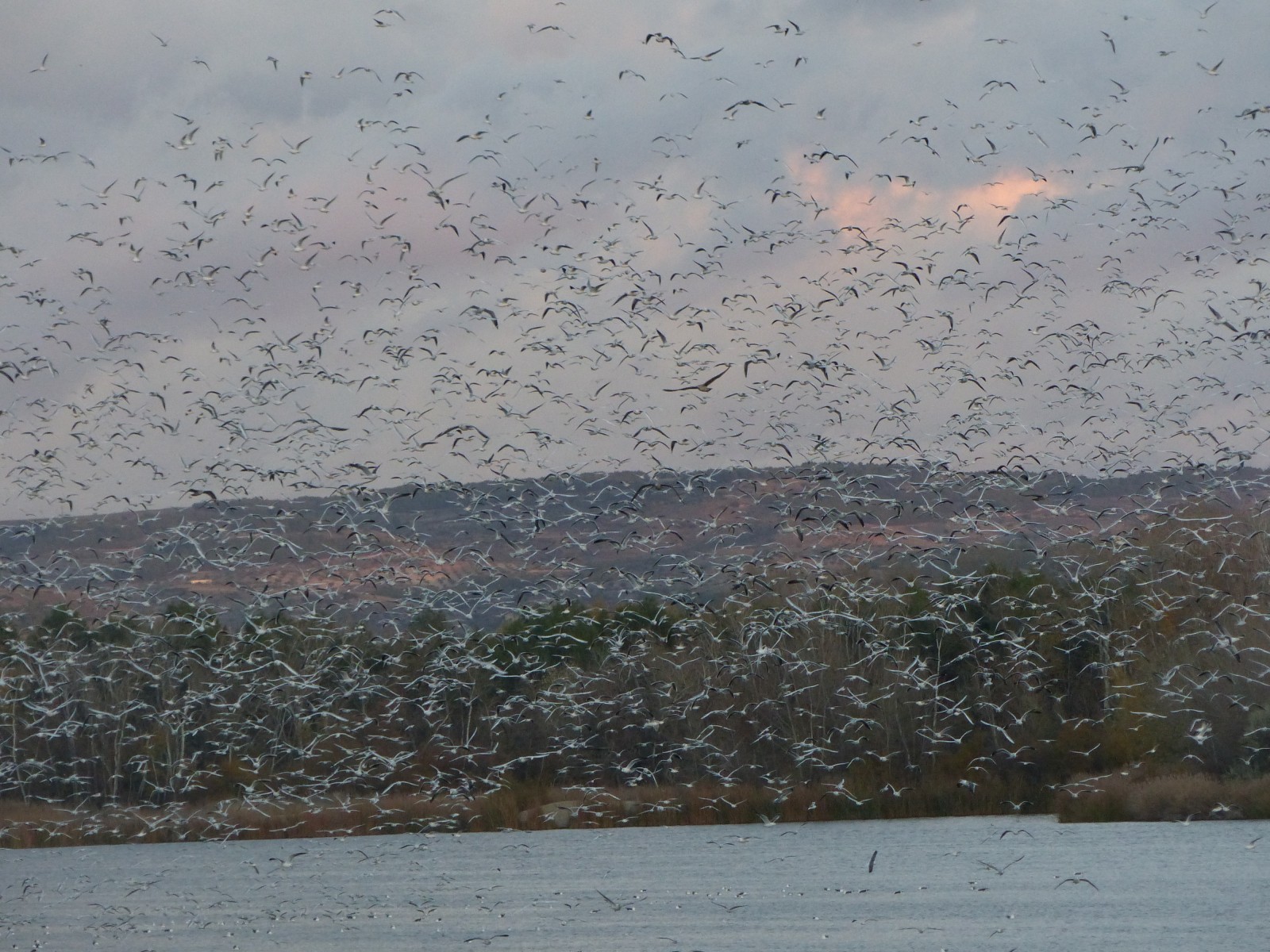
In the lake and the river of Laguna de El Campillo a variety of water-related birds can be spotted, from the common Foulque macroule to the majestic Héron pourpré, feeding and breeding in the water or around it. A spectacular event happens in the winter, when thousends of gulls, mainly Mouette rieuse and Goéland brun, land in the lake to spend the night, turning the surface white.
The forested and open areas are not very extensive or interesting, as they are home to a smaller number of birds, most of them quite common. However, the hanging nests of the Rémiz penduline are a curious sight, and so is the proper bird.
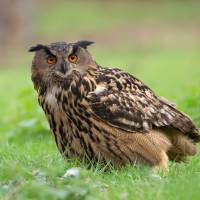
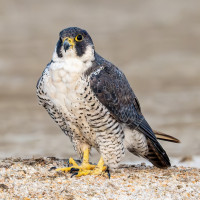
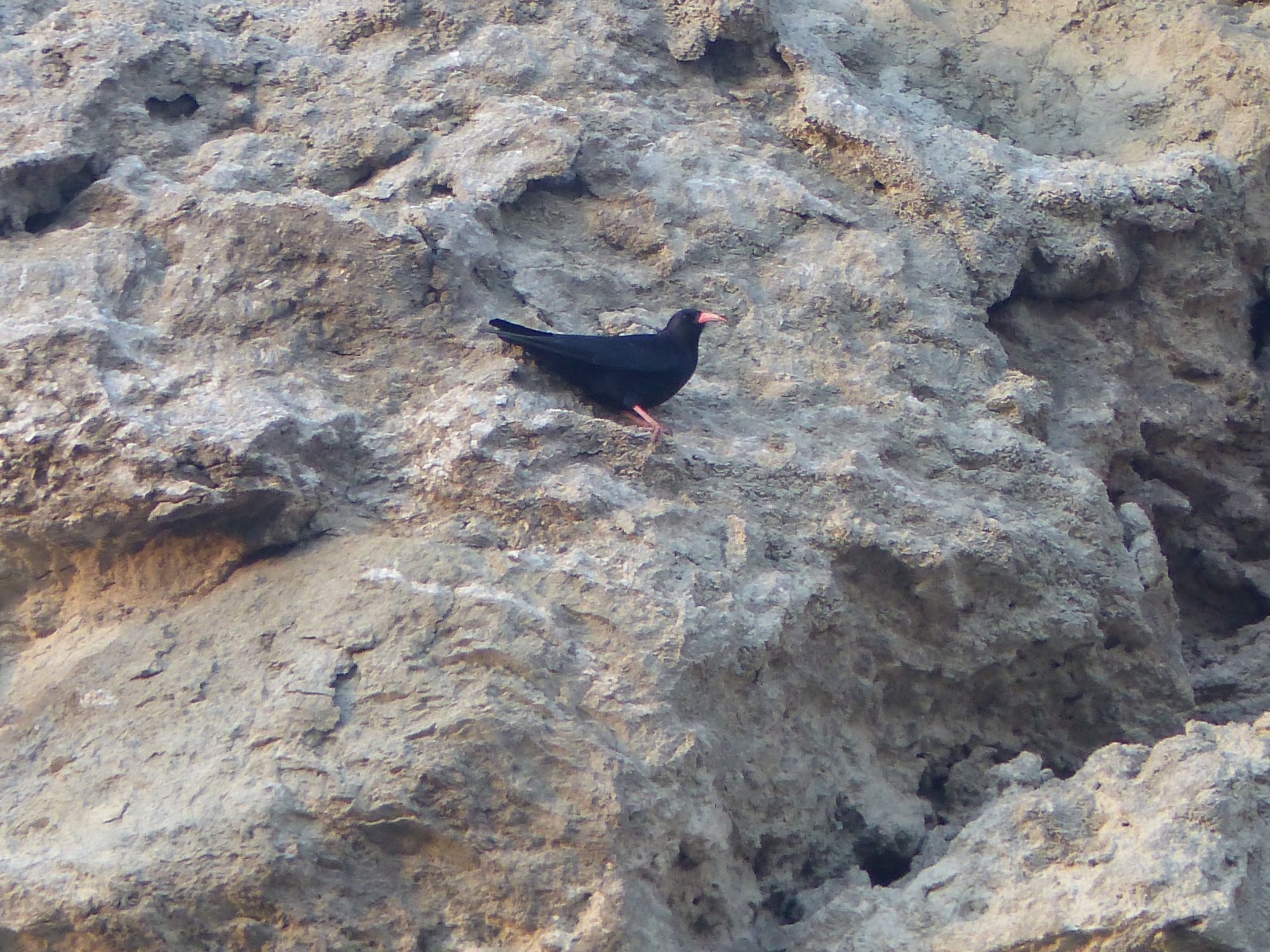
The second most important environment are the cliffs, which range tens of kilometers from the lake on. They are very abrupt, so no climbing is possible, but most species can be seen from their base. Among these Crave à bec rouge, Traquet rieur and Moineau soulcie are some of the easier ones to see, but quite interesting nevertheless. Other rarer species include Faucon pèlerin and Grand-duc d'Europe.
Being right next to the village of Rivas-Vaciamadrid, the Laguna de El Campillo has an easy access, even by bus or by bike; although using a car is recommended. The bus stop is inside the town, so a short walk (less than 10 minutes) must be done in order to get here; but, if going by car or bike, you can easily park at the beginning of the lake, in a specific area designed for this (See the P on the map). The circular walk as shown on the map is about 4 km.
There is a huge colony of Cigogne blanche in some electric towers close to the lake, so they can be seen very easily soaring over the lake. In winter, tens of Milan royal fly over the area from their sleeping zones to their feeding zones, so they are also a common sight.
 ) Insérez les noms d'oiseau dans votre langue. Ils seront automatiquement traduits pour les autres usagers !
Votre feedback sera transmis à l’auteur.rice de cette zone et à l’équipe éditoriale de Birdingplaces, qui l’utiliseront pour améliorer la qualité des informations. (Vous souhaitez publier un commentaire visible en bas de page ? Fermez cette fenêtre et choisissez l’Option 1 : « Publier un commentaire, un conseil ou une observation ».)
Veuillez fournir des suggestions d'améliorations ou d'ajouts au texte de ce site ornithologique.
Veuillez fournir vos suggestions d'améliorations ou d'ajouts à la carte.
Veuillez fournir des suggestions d'améliorations ou d'ajouts à la liste des oiseaux.
Cliquez sur l'icône de l'oiseau () Insérez les noms d'oiseau dans votre langue. Ils seront automatiquement traduits pour les autres usagers !