

 (003).jpg)


Charger images
Les formats d'image autorisés sont de type jpeg, png ou gif
La taille maximale du fichier doit être de 20MB
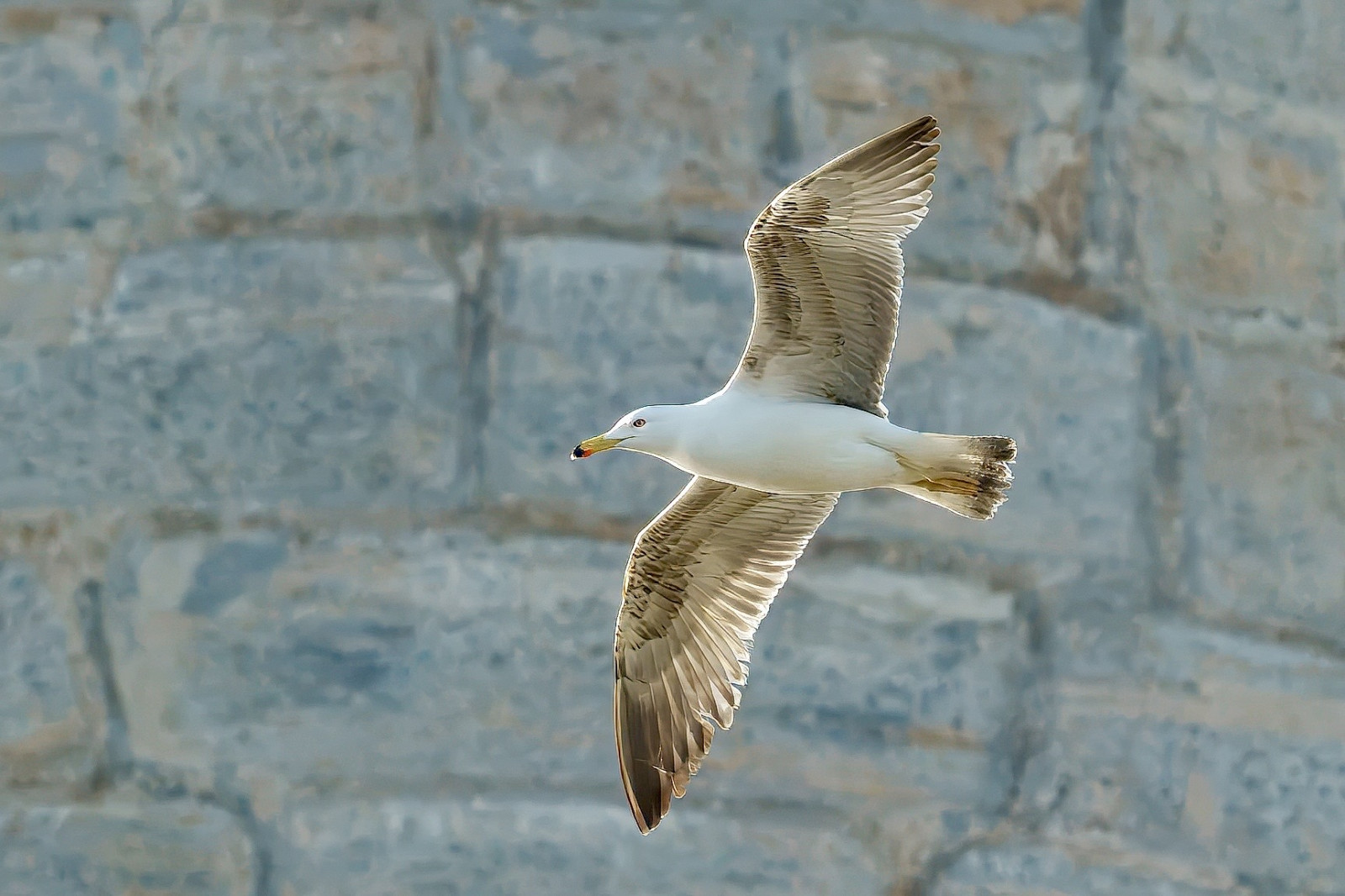
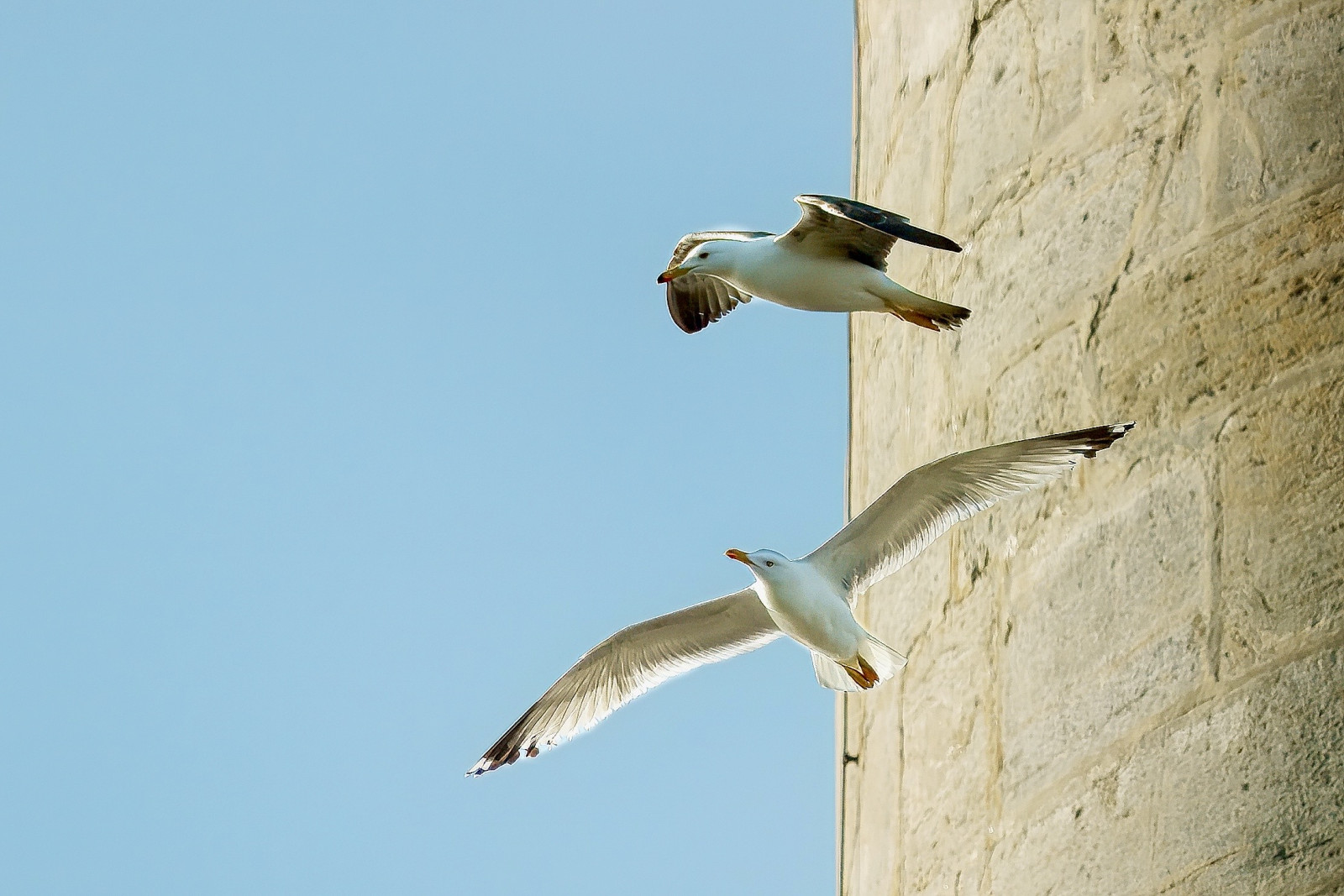

Faro de Cabo de Palos is a site of interest for the observation of seabirds.
Faro de Cabo de Palos is a good place for the observation of seabirds. With patience and a spotting scope you can see birds like Puffin cendré, Puffin des Baléares, Mouette rieuse, Goéland d'Audouin, Mouette mélanocéphale, Goéland leucophée, Océanite tempête, Grand Labbe, Pingouin torda, Macareux moine, Fou de Bassan, Grand Cormoran, Cormoran huppé, Sterne naine, Sterne pierregarin, Sterne caugek and Macreuse noire.
_________________________
Espagnol: Faro de Cabo de Palos, sitio de interés para la observación de aves marinas.
The observation point is located in the town of Cabo de Palos belonging to the municipality of Cartagena (Region of Murcia). To access the site, follow the directions for access to the Cabo de Palos lighthouse. In front of the lighthouse there is a free parking where you can leave your car. From here you walk towards the west, following the sidewalk and after a mere 40 meters you find a small cove called Calafría, bordering it on the right we can access the cliff, positioning yourselves in front of a black rocky islet that faces the cliff (from here the lighthouse from Cabo de Palos we will be on the left).
_________________________
Espagnol: El punto de observación se encuentra en la población de Cabo de Palos perteneciente al municipio de Cartagena (Región de Murcia), para acceder hay que seguir las indicaciones de acceso al faro de Cabo de Palos. Frente al faro hay un aparcamiento gratuito donde dejar el coche. Desde aquí caminamos hacia el oeste seguiendo la acera y a unos escasos 40 metros encontramos una pequeña cala llamada Calafría, bordeándola por la derecha podemos acceder hasta el acantilado, posicionándonos frente a un islote rocoso de color negro que queda frente al acant(desde aquí el faro de Cabo de Palos nos quedará a la izquierda).
It is a place of interest for observing migrating cetaceans (sperm whale, fin whale) and residents (bottlenose dolphin) from the coast. During the migratory passage you can see waders, ducks and birds of prey. It is also a point of interest for the observation of migrating passerines, especially during the month of April. Then you can see birds like Traquet motteux, Traquet oreillard, Pouillot de Bonelli, Rougequeue à front blanc, Pie-grièche à tête rousse, Pouillot fitis, Fauvette grisette, Fauvette passerinette, Gobemouche noir and Gobemouche gris.
_________________________
Espagnol: Es un lugar de interés para la observación desde la costa de cetáceos en migración (cachalote, rorcual común) y residentes (delfín mular). Durante el paso migratorio se pueden observar limícolas, anátidas y también rapaces. Ademá es un punto de interés para la observación de paseriformes en migración, especialmente durante el mes de abril.
 ) Insérez les noms d'oiseau dans votre langue. Ils seront automatiquement traduits pour les autres usagers !
Votre feedback sera transmis à l’auteur.rice de cette zone et à l’équipe éditoriale de Birdingplaces, qui l’utiliseront pour améliorer la qualité des informations. (Vous souhaitez publier un commentaire visible en bas de page ? Fermez cette fenêtre et choisissez l’Option 1 : « Publier un commentaire, un conseil ou une observation ».)
Veuillez fournir des suggestions d'améliorations ou d'ajouts au texte de ce site ornithologique.
Veuillez fournir vos suggestions d'améliorations ou d'ajouts à la carte.
Veuillez fournir des suggestions d'améliorations ou d'ajouts à la liste des oiseaux.
Cliquez sur l'icône de l'oiseau () Insérez les noms d'oiseau dans votre langue. Ils seront automatiquement traduits pour les autres usagers !