


Charger images
Les formats d'image autorisés sont de type jpeg, png ou gif
La taille maximale du fichier doit être de 20MB
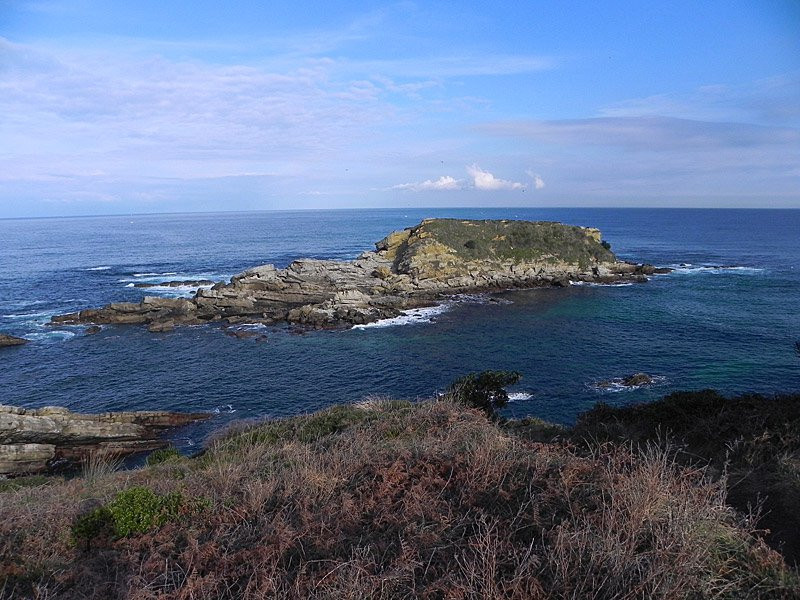
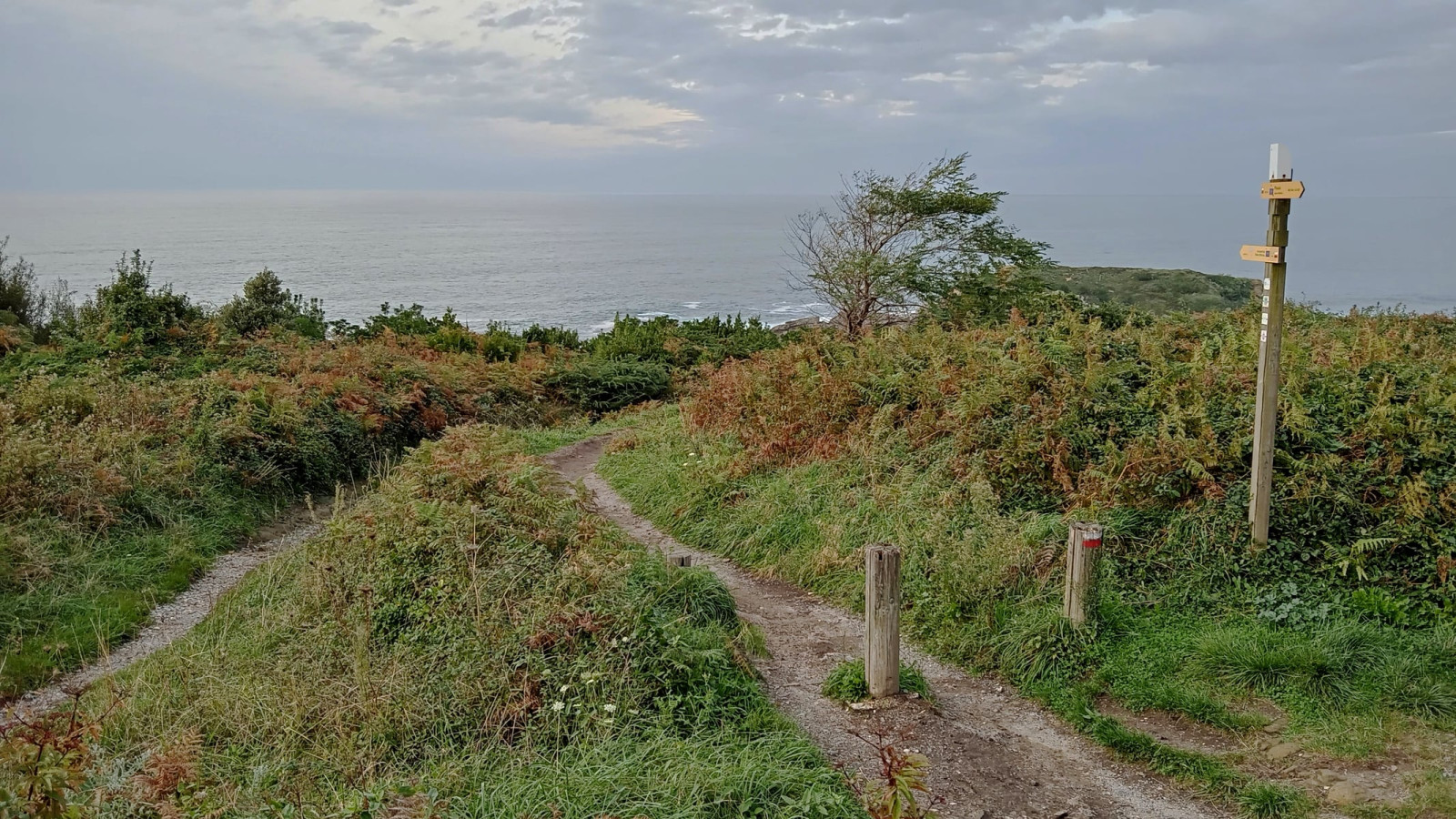

Easternmost cape of the Cantabrian Sea and the most northwestern point of the Pyrenees. The GR-11 Pyrenean trail starts here.
When there is a storm at sea, many species of seabirds take refuge at Cabo de Higuer. Several Cormoran huppé can regularly be seen on the island of Amuitz and the coastal waters are frequently visited by Fou de Bassan, Sterne caugek and Goéland argenté. The forest vegetation is rich in forest species such as Fauvette à tête noire, Rougegorge familier, Merle noir, etc.
_________________________
Espagnol: Cabo Higuer es el cabo más oriental del Cantábrico y el extremo más noroccidental de los Pirineos. Desde aquí parte el sendero pirenaico GR-11. Cuando hay temporal en alta mar, muchas especies de aves marinas se refugian aquí. Habitualmente pueden verse varios ejemplares de Cormoran huppé en la isla de Amuitz y con cierta frecuencia la costa es sobrevolada por Fou de Bassan, Sterne caugek, Goéland argenté. Entre la vegetación boscosa abundan las especies forestales como Fauvette à tête noire, Rougegorge familier, Merle noir, etc.
You can get to Cabo de Higuer by car from the fishing port of Hondarribia. You can park in front of the Faro de Higuer campsite. Press P on the map for directions. From there, a path runs along the lighthouse and either leads to the coves or straight ahead. Just when the path becomes steeper, you have some unbeatable views of the island of Amuitz. This is the observation point. With a telescope you can easily see the birds perched on the island: Cormoran huppé, Grand Cormoran, Goéland argenté, Goéland leucophée and those flying along the coast: Fou de Bassan, Sterne caugek and others.
_________________________
Espagnol: Se llega en coche viniendo desde el Puerto Pesquero de Hondarribia. Se puede aparcar frente al Camping Faro de Higuer. Desde ahí, un camino bordea el faro y se dirige o bien a las calas, o bien de frente. Justo cuando el caminito de vuelve más abrupto tenemos ante nosotros uns vistas inmejorables de la isla de Amuitz. Éste es el punto de observación. Con el telescopio se ven con facilidad las aves posadas en la isla: Cormoran huppé, Grand Cormoran, Goéland argenté, Goéland leucophée y las que sobrevuelan la costa: Fou de Bassan, Sterne caugek y otras.
 ) Insérez les noms d'oiseau dans votre langue. Ils seront automatiquement traduits pour les autres usagers !
Votre feedback sera transmis à l’auteur.rice de cette zone et à l’équipe éditoriale de Birdingplaces, qui l’utiliseront pour améliorer la qualité des informations. (Vous souhaitez publier un commentaire visible en bas de page ? Fermez cette fenêtre et choisissez l’Option 1 : « Publier un commentaire, un conseil ou une observation ».)
Veuillez fournir des suggestions d'améliorations ou d'ajouts au texte de ce site ornithologique.
Veuillez fournir vos suggestions d'améliorations ou d'ajouts à la carte.
Veuillez fournir des suggestions d'améliorations ou d'ajouts à la liste des oiseaux.
Cliquez sur l'icône de l'oiseau () Insérez les noms d'oiseau dans votre langue. Ils seront automatiquement traduits pour les autres usagers !